Bangkok: Your Ultimate Travel Guide
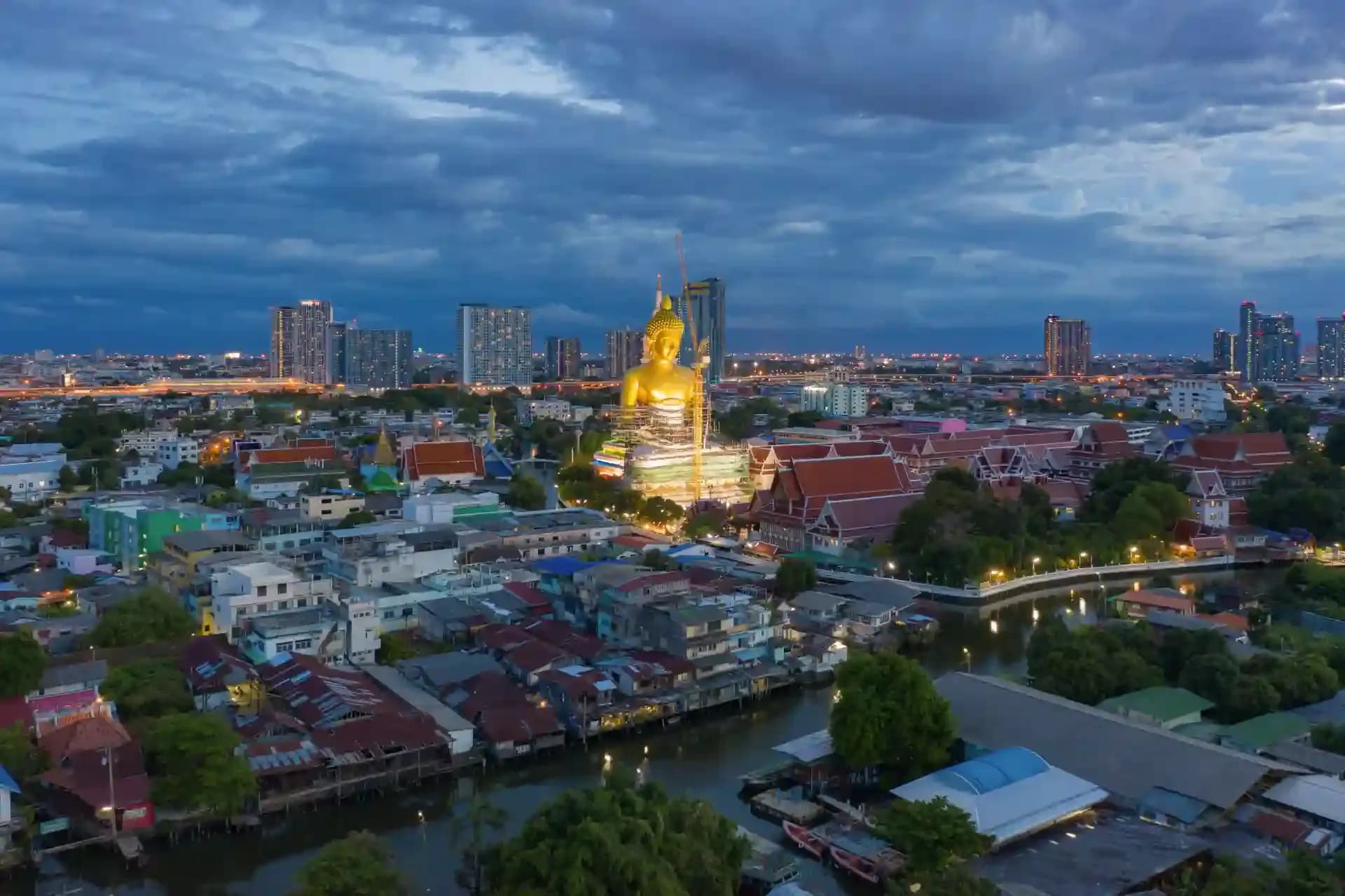
Introduction Bangkok, the vibrant capital of Thailand, is a city where ancient temples stand alongside bustling markets, and modern skyscrapers rise above traditional wooden houses. Known for its energetic street life, rich cultural heritage, and world-
- Cool Season (November-February):The most pleasant time to visit, with temperatures between 20-30°C (68-86°F) and lower humidity. Ideal for sightseeing and outdoor activities.
- Hot Season (March-May):Temperatures can soar above 35°C (95°F), making it the hottest period of the year. Stay hydrated and take breaks in air-conditioned spaces.
- Rainy Season (June-October):Expect frequent rain showers and high humidity, with temperatures around 25-30°C (77-86°F). The rain usually comes in short, heavy bursts, often in the late afternoon or evening.
- Cool Season:Light clothing, a light jacket or sweater for cooler evenings.
- Hot Season:Breathable, loose-fitting clothes, a hat, sunscreen, and plenty of water.
- Rainy Season:An umbrella or rain jacket, waterproof shoes, and quick-drying clothes.
- Songkran Festival:April 13-15, celebrating the Thai New Year with citywide water fights and cultural events.
- Loy Krathong:November, where people release decorated floats onto rivers and canals to pay respect to the water spirits.
- Bangkok Art Biennale:Held every two years, showcasing contemporary art across the city’s public spaces.
- The Grand Palace and Wat Phra KaewExplore Bangkok’s most famous landmark, home to the revered Emerald Buddha. Dress modestly and arrive early to avoid the crowds.
- Wat Arun (Temple of Dawn)Visit this iconic riverside temple, known for its stunning spires and intricate porcelain decorations. Climb to the top for a panoramic view of the Chao Phraya River.
- Chatuchak Weekend MarketShop till you drop at one of the world’s largest markets, with over 15,000 stalls selling everything from clothing and handicrafts to antiques and street food.
- Jim Thompson HouseDiscover the fascinating story of Jim Thompson, an American entrepreneur who revitalized the Thai silk industry. His traditional Thai house is now a museum showcasing his art collection.
- Khao San RoadExperience the backpacker vibe on this famous street, known for its lively nightlife, budget accommodations, and eclectic mix of shops and restaurants.
- Pad ThaiA staple of Thai cuisine, this stir-fried noodle dish is made with shrimp, tofu, eggs, and peanuts. Try it at Thip Samai, one of Bangkok’s most famous Pad Thai restaurants.
- Tom Yum GoongA spicy and sour soup with shrimp, lemongrass, and chili, Tom Yum Goong is a must-try. Head to P’Aor near Ratchathewi for an authentic bowl.
- Som Tum (Papaya Salad)This refreshing salad made from shredded green papaya, tomatoes, peanuts, and a spicy dressing is a street food favorite. Sample it at Som Tam Nua in Siam Square.
- Mango Sticky RiceA popular dessert made with sweet mango, sticky rice, and coconut milk. Visit Mae Varee in Thonglor for a taste of this delicious treat.
- Boat NoodlesThese small bowls of noodles served in a flavorful broth are a Bangkok specialty. Experience them at Victory Monument, where numerous stalls serve up this local delicacy.
- Local Customs and EtiquetteRespect Thai customs by dressing modestly when visiting temples and royal sites. Avoid pointing your feet at people or religious objects, and always use your right hand when giving or receiving items.
- Language TipsWhile English is widely spoken in tourist areas, learning basic Thai phrases like "Sawadee" (hello) and "Khop Khun" (thank you) will be appreciated by locals.
- Haggling and ShoppingHaggling is common in markets, but always do so politely. Start by offering about 50-60% of the asking price and negotiate from there.
- Religious and Cultural ObservancesThailand is a Buddhist country, and you’ll see monks everywhere. It’s important to show respect by not touching them (especially if you’re a woman) and by observing silence in temples.
- Tipping PracticesTipping is not mandatory in Thailand, but it’s appreciated in restaurants, for hotel staff, and for taxi drivers. A small tip of 10-20 THB or rounding up the bill is common practice.
- Hidden GemsExplore the quiet neighborhood of Thonburi on the west bank of the Chao Phraya River. It’s home to traditional canals, local markets, and lesser-known temples like Wat Ratchaburana.
- Best Times to Visit Popular SpotsVisit the Grand Palace and Wat Phra Kaew early in the morning or late in the afternoon to avoid the midday crowds. Chatuchak Market is less crowded in the morning before 10 AM.
- Dining EtiquetteThai meals are often shared, and it’s customary to take small portions at a time. When eating with locals, wait for the eldest person to start before you begin.
- Safety TipsBangkok is generally safe, but be cautious of scams, especially in tourist areas. Always use metered taxis or reputable ride-hailing apps like Grab to avoid overcharging.
- Navigating the CityThe BTS Skytrain and MRT Subway are the best ways to avoid traffic and navigate the city quickly. Consider purchasing a Rabbit Card for easy access to all public transportation options.
- Morning:Visit the Grand Palace and Wat Phra Kaew to start your day with Bangkok’s most iconic attractions.
- Afternoon:Head to the Jim Thompson House to explore the history of Thai silk and admire the traditional Thai architecture. Afterward, spend some time shopping in Siam Square, a popular area for fashion and souvenirs.
- Evening:Enjoy a sunset cruise along the Chao Phraya River, where you can take in views of the city’s landmarks like Wat Arun and the Grand Palace from the water. Finish your day with dinner at one of the riverside restaurants.
- Morning:Start your day at Wat Arun (Temple of Dawn) and climb to the top for a breathtaking view of the river and the city. Then, visit the nearby Wat Pho to see the famous Reclining Buddha.
- Afternoon:Explore Chatuchak Weekend Market, where you can shop for unique souvenirs, sample local street food, and immerse yourself in the lively atmosphere.
- Evening:Experience the vibrant nightlife on Khao San Road, famous for its energetic atmosphere, street food, and bars. Alternatively, head to a rooftop bar in Sukhumvit to enjoy a more upscale evening with stunning views of the city.