Introduction
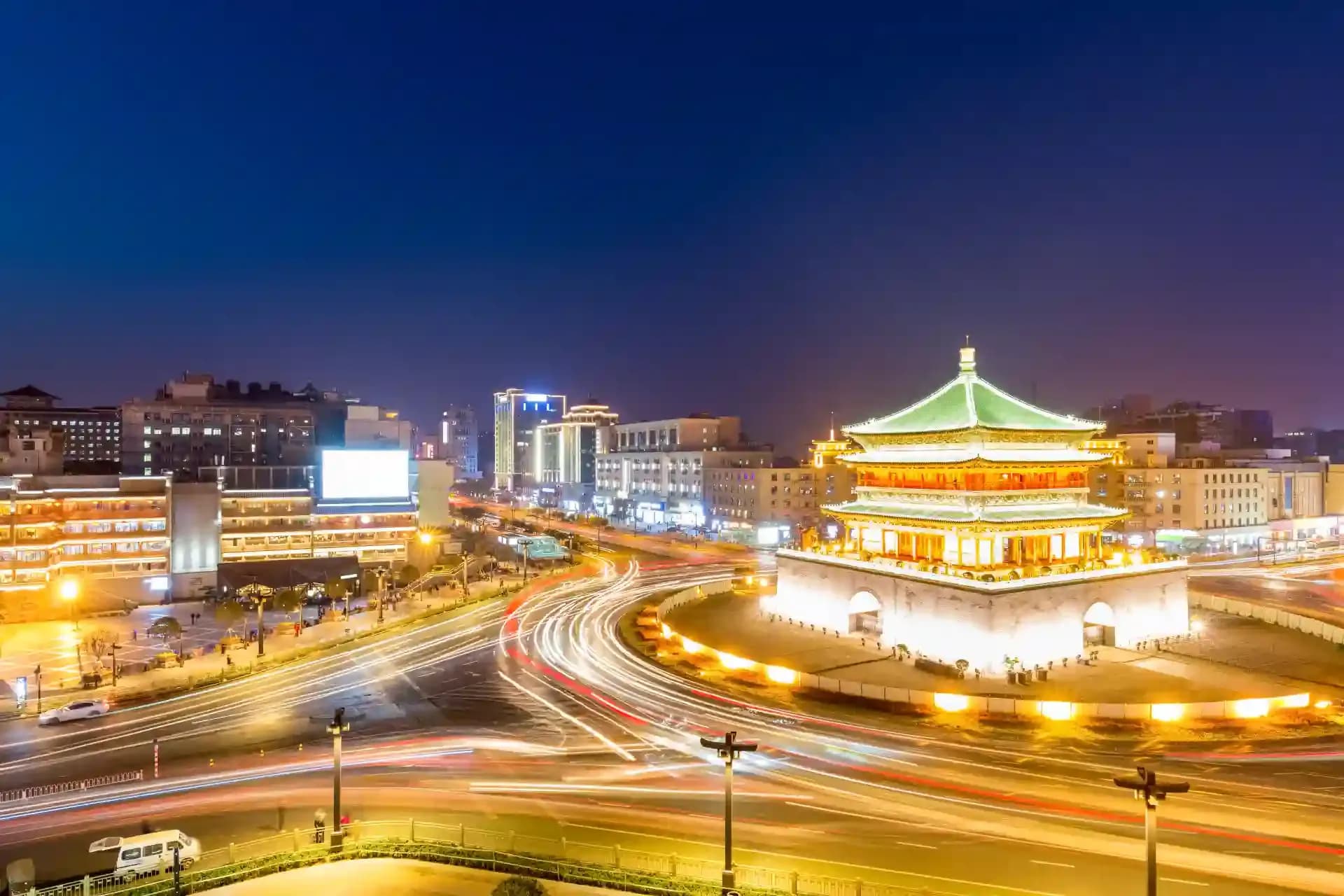
Beijing, the capital of China, is a city where ancient history meets modern innovation. With its rich cultural heritage, dynamic urban life, and thriving food scene, Beijing offers a unique blend of experiences. Whether you’re exploring the historic Forbidden City, hiking the Great Wall, or savoring Peking Duck, Beijing is a must-visit destination for travelers.
How to Get There
Geographical Location:
Beijing is located in the northern part of China, bordered by the Hebei Province and Tianjin Municipality.
By Air:
Beijing is served by two major airports: Beijing Capital International Airport (PEK) and Beijing Daxing International Airport (PKX). Major airlines such as Air China, China Eastern Airlines, and many others offer direct routes from cities worldwide. Booking flights in advance, especially during peak seasons, will help you find the best deals.
By Train:
China’s high-speed rail network connects Beijing with major cities like Shanghai, Xi’an, and Guangzhou. Beijing Railway Station and Beijing South Railway Station are the main hubs for high-speed trains.
By Bus:
Long-distance buses connect Beijing with various cities across China. The main bus terminals include Beijing Bawangfen and Beijing Liuliqiao.
By Car:
Driving to Beijing is possible if you’re coming from other parts of China. The city is connected by an extensive highway network, including the G6 Beijing–Lhasa Expressway. However, be prepared for heavy traffic and limited parking spaces in the city center.
Local Transportation:
Beijing boasts an extensive and efficient public transportation system, including the Beijing Subway, buses, and taxis. The Subway is the most convenient way to get around the city, with stations near most major attractions. Taxis are also widely available and relatively inexpensive.
Weather Overview
Climate:
Beijing experiences a temperate continental climate with four distinct seasons. Average temperatures range from -5°C (23°F) in January to 26°C (79°F) in July.
Seasonal Weather:
- Spring (March-May): Mild and pleasant, with temperatures between 10-20°C (50-68°F). Ideal for outdoor activities.
- Summer (June-August): Hot and humid, with temperatures around 25-30°C (77-86°F). July is the rainiest month.
- Autumn (September-November): Cool and dry, with temperatures between 10-20°C (50-68°F). The autumn foliage is stunning.
- Winter (December-February): Cold and dry, with temperatures ranging from -5°C to 5°C (23-41°F). Snowfall is common.
Packing Tips:
- Spring/Autumn: Light layers and comfortable walking shoes.
- Summer: Lightweight clothing, an umbrella, and sunscreen.
- Winter: Warm clothing, including a heavy coat, gloves, and a scarf.
Best Time to Go
Peak Tourist Season:
- Spring (April to May) and Autumn (September to October): These are the best times to visit Beijing, with mild weather and beautiful natural scenery. The cherry blossom season in April and the autumn foliage in October attract many visitors.
Off-Peak Season:
- Winter (December to February): Less crowded, and while it’s cold, it’s an excellent time to experience Beijing’s winter festivals and ice skating. Prices for accommodation may also be lower.
Shoulder Season:
- Summer (June to August): Fewer tourists but hot and humid weather. The monsoon season in July brings frequent rain, but it’s a good time to explore indoor attractions.
Special Events:
- Chinese New Year: January or February, with vibrant celebrations and parades.
- Mid-Autumn Festival: September or October, featuring mooncakes and lantern displays.
- National Day: October 1st, with grand parades and fireworks.
Top Things to Do
The Great Wall of China:
Visit one of the most iconic landmarks in the world. The sections at Badaling and Mutianyu are popular for their accessibility and stunning views.
Forbidden City:
Explore the largest ancient palatial structure in the world. The Forbidden City is a UNESCO World Heritage Site and offers a glimpse into China’s imperial past.
Tiananmen Square:
Visit the world’s largest public square, surrounded by significant landmarks such as the Tiananmen Gate, the Great Hall of the People, and the National Museum of China.
Summer Palace:
Wander through this vast ensemble of lakes, gardens, and palaces. The Summer Palace is a UNESCO World Heritage Site and a perfect place for a leisurely stroll.
Temple of Heaven:
Explore this complex of religious buildings, where emperors of the Ming and Qing dynasties would perform annual ceremonies of prayer to Heaven for a good harvest.
Foods to Eat
Peking Duck:
A must-try dish in Beijing, featuring crispy duck skin and tender meat. Quanjude and Da Dong are famous restaurants for this delicacy.
Zhajiangmian:
A popular noodle dish topped with a savory soybean paste, minced pork, and vegetables. Try it at Old Beijing Zhajiangmian King.
Jianbing:
A traditional Chinese crepe filled with egg, scallions, cilantro, and various sauces. It’s a popular breakfast item available at street stalls.
Hot Pot:
A communal meal where diners cook meat, seafood, and vegetables in a simmering pot of broth. Haidilao is a well-known chain for hot pot.
Baozi:
Steamed buns filled with meat or vegetables. They are a popular snack or breakfast item. Head to Goubuli for some of the best baozi in Beijing.
Cultural Tips for Tourists
Local Customs and Etiquette:
Respect local customs by greeting people with a slight bow or nod. Use both hands when giving or receiving something, and avoid pointing with your finger.
Language Tips:
While English is taught in schools, not everyone speaks it fluently. Learning basic Mandarin phrases like “Nǐ hǎo” (hello) and “Xièxiè” (thank you) will go a long way.
Haggling and Shopping:
Haggling is common in markets like the Silk Market and Panjiayuan Antique Market. Start with a lower offer and negotiate politely.
Religious and Cultural Observances:
China is predominantly Buddhist, Taoist, and Confucian, with many temples throughout the city. Respect religious practices by maintaining silence and dressing modestly.
Tipping Practices:
Tipping is not customary in China, and service charges are usually included in the bill. However, tipping in upscale hotels or for exceptional service is appreciated.
Travel Tips from Locals
Hidden Gems:
Visit the 798 Art District, a contemporary art zone housed in a former factory complex, offering a different perspective of Beijing’s creative scene.
Best Times to Visit Popular Spots:
To avoid crowds at the Forbidden City, visit early in the morning or late in the afternoon. The Great Wall is less busy during weekdays, especially in the early morning.
Dining Etiquette:
Meals are often shared, and it’s polite to wait for the eldest person to begin eating. Use chopsticks correctly and avoid sticking them upright in your rice, as it resembles a funeral ritual.
Safety Tips:
Beijing is generally very safe, but it’s always wise to keep an eye on your belongings, especially in crowded areas. Use public transport apps like DiDi or Baidu Maps for easy navigation.
Navigating the City:
The Beijing Subway is the best way to get around the city. Consider purchasing a Yikatong card for convenient access to all public transport options. Avoid traveling during rush hours to steer clear of the crowds.
Budget
For budget travelers, a weekly stay in Beijing might cost around CNY 1,500-2,500, including hostel accommodation, street food, and public transport. For those seeking luxury, weekly expenses could range from CNY 5,000-10,000, covering stays in five-star hotels, fine dining, and private transportation.
Weekend Plan
Day 1:
- Morning: Start your day at the Forbidden City, exploring the palace grounds and learning about China’s imperial history. Afterward, take a stroll through Tiananmen Square.
- Afternoon: Head to the Temple of Heaven and enjoy the serene surroundings. Have lunch at a nearby restaurant and try some local dishes.
- Evening: Take a walk around Wangfujing Street, known for its shopping and street food. Try some exotic snacks and enjoy the lively atmosphere.
Day 2:
- Morning: Visit the Great Wall of China at Mutianyu. Spend the morning hiking and taking in the breathtaking views.
- Afternoon: Return to the city and explore the Summer Palace. Enjoy a leisurely boat ride on Kunming Lake.
- Evening: End your day with a visit to the 798 Art District, where you can explore galleries and enjoy dinner at a trendy café.
Conclusion
Beijing is a city that captivates visitors with its rich history, vibrant culture, and modern amenities. From exploring ancient palaces and hiking the Great Wall to indulging in delicious local cuisine and experiencing the city’s dynamic nightlife, Beijing offers something for everyone. Whether you’re visiting for a weekend or an extended stay, this dynamic city will leave you with unforgettable memories. Start planning your trip to Beijing today and immerse yourself in the unique charm of China’s capital.
