Skip to content Skip to sidebar Skip to footer

Bogotá: Your Ultimate Travel Guide

Introduction

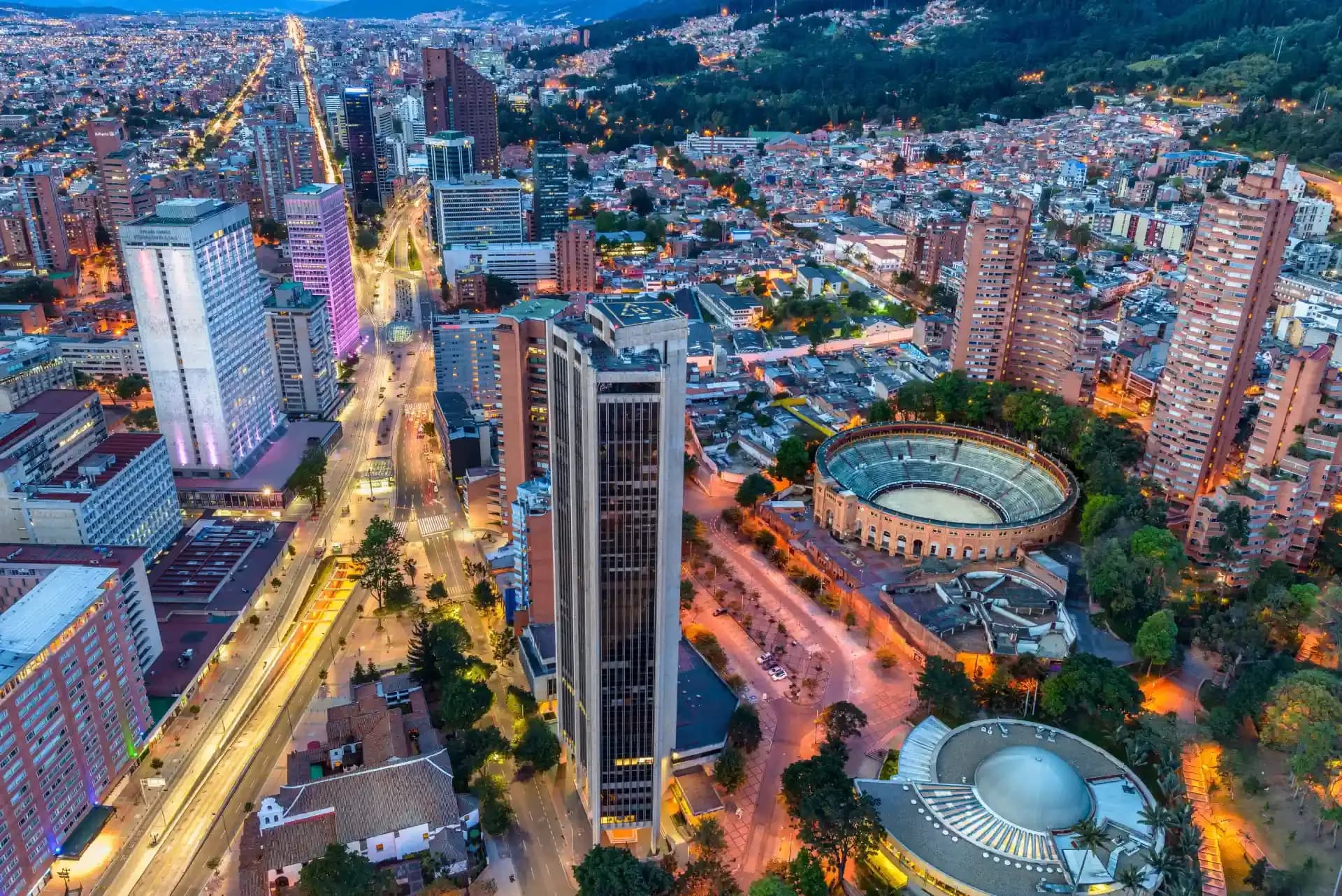
Bogotá, the bustling capital of Colombia, is a city of contrasts where colonial history meets modern innovation. Nestled in the Andes at an altitude of 2,640 meters (8,660 feet), this cosmopolitan city is known for its rich cultural scene, vibrant street art, and fascinating museums. As a city that bridges the past and present, Bogotá offers an exciting destination for travelers seeking art, history, and culinary delights.

How to Get There

Geographical Location

Bogotá is located in central Colombia, surrounded by the Andes mountain range.

By Air  

El Dorado International Airport (BOG) is the main airport serving Bogotá and is one of the busiest in Latin America. Major airlines like Avianca, American Airlines, and LATAM offer regular flights from major international hubs. To find the best flight deals, use tools like Skyscanner or Google Flights and book in advance.

By Train

Bogotá does not have a passenger train system connecting it to other cities. However, some historical train tours offer scenic rides around the Bogotá region, such as the “Tren Turístico de la Sabana.”

By Bus

There are several long-distance bus services connecting Bogotá to other cities in Colombia. The bus terminal is located about 10 kilometers from the city center, and companies like Expreso Brasilia and Flota Magdalena offer reliable service. Expect comfortable buses with reclining seats and overnight options for longer journeys.

By Car 

If you choose to drive, Bogotá is connected by several highways. The roads from Medellín and Cali are scenic but winding, and it’s essential to check local conditions, as driving in Colombia can be challenging due to the mountainous terrain.

Local Transportation

Bogotá’s TransMilenio bus system is a fast and efficient way to get around the city, with dedicated bus lanes ensuring smooth travel through heavy traffic. Taxis and ride-sharing apps like Uber are also widely available, and biking has become increasingly popular in certain neighborhoods.

Weather Overview

Climate

Bogotá has a subtropical highland climate, with mild temperatures throughout the year due to its high altitude. The weather can change rapidly, so it’s advisable to be prepared for sun, rain, and cooler evenings.

Seasonal Weather

-Summer (December to March):The driest time of year, with pleasant temperatures around 14-20°C (57-68°F). It’s ideal for outdoor activities.

– Winter (April to November): Bogotá’s rainy season, with frequent showers and cooler temperatures. Expect highs of around 15-18°C (59-64°F).

Packing Tips

Bring layers, as Bogotá’s weather can shift from sunny and warm to cool and rainy in the same day. A light jacket and rain gear are essential, along with comfortable shoes for walking the city’s many cobbled streets.

Best Time to Go

Peak Tourist Season 

December to March is the peak tourist season, offering the best weather for exploring Bogotá’s outdoor attractions and hiking. The city is also buzzing with cultural events and festivals.

Off-Peak Season 

April to November is the rainy season, so you’ll find fewer tourists and lower prices. If you don’t mind occasional rain showers, this is a good time to explore Bogotá’s museums and indoor activities.

Shoulder Season 

October and November are shoulder months, offering fewer crowds and a pleasant mix of rain and sun. It’s a great time to visit if you prefer a quieter experience.

Special Events

– Festival Iberoamericano de Teatro (March-April): One of the largest theater festivals in Latin America.

– Bogotá Carnival (August): A colorful event filled with music, parades, and cultural celebrations.

Top Things to Do

  1. Monserrate 

This mountain offers the best panoramic views of Bogotá. You can hike to the top or take a funicular or cable car. The summit is home to a church and several restaurants, making it a great spot for photos and local cuisine.

  1. La Candelaria

The historic heart of Bogotá, this neighborhood is full of colonial buildings, vibrant street art, and cultural landmarks like Plaza Bolívar and the Gold Museum. It’s a must-visit for anyone interested in the city’s history.

  1. Museo del Oro (Gold Museum)

One of the most important museums in Colombia, the Gold Museum showcases an extensive collection of pre-Colombian gold artifacts. It’s an essential stop to learn about the rich indigenous cultures of Colombia.

  1. Botero Museum  

Dedicated to the works of Colombia’s most famous artist, Fernando Botero, this museum houses not only his iconic sculptures and paintings but also works by other famous artists like Picasso and Monet.

  1. Usaquén Market

Located in the charming neighborhood of Usaquén, this weekend flea market is perfect for finding unique handicrafts, street food, and local souvenirs. It’s a fun way to spend a Sunday afternoon.

Foods to Eat

  1. Ajiaco

This traditional Colombian soup, made with chicken, three types of potatoes, and corn, is served with cream, capers, and avocado. It’s a hearty dish perfect for Bogotá’s cooler weather.

  1. Bandeja Paisa  

Although not native to Bogotá, this dish is a Colombian favorite. It’s a massive platter featuring rice, beans, chorizo, pork, avocado, and a fried egg.

  1. Arepas

A versatile cornmeal patty, arepas can be eaten with cheese, butter, or as a side dish to various meals. Look for street vendors selling them hot and fresh.

  1. Empanadas

Colombian empanadas are stuffed with a variety of fillings, including beef, chicken, or cheese. They’re a popular street food and are often served with spicy dipping sauces.

  1. Tamales

Bogotá’s tamales are wrapped in banana leaves and filled with rice, peas, pork, and chicken. They are often eaten for breakfast.

Cultural Tips for Tourists

  1. Local Customs and Etiquette

Colombians are friendly and warm. A handshake is the common greeting, and in informal settings, a hug or kiss on the cheek may follow. Be mindful of personal space, as Colombians tend to stand closer in conversation.

  1. Language Tips

Spanish is the official language, and while English is spoken in some tourist areas, it’s helpful to know basic phrases like “por favor” (please) and “gracias” (thank you).

  1. Haggling and Shopping

Haggling is common in markets, but not in established stores. If you’re shopping at local markets like Usaquén, don’t be afraid to negotiate for a better price.

  1. Religious and Cultural Observances  

Colombia is a predominantly Catholic country, and you’ll see many religious observances, especially around Christmas and Easter. Be respectful when visiting churches, and dress modestly.

  1. Tipping Practices

Tipping is common in restaurants and cafés. A tip of around 10% is appreciated, but check your bill, as some establishments include it automatically.

Travel Tips from Locals

  1. Hidden Gems 

Check out Parque Simón Bolíva, a massive green space where locals relax and have picnics. It’s an excellent spot for a peaceful afternoon away from the busy streets.

  1. Best Times to Visit Popular Spots 

Visit Monserrate in the early morning or late afternoon to avoid the crowds and enjoy a peaceful ascent.

  1. Dining Etiquette 

Lunch is the main meal of the day, often eaten between 12:00 PM and 2:00 PM. Expect a leisurely pace, and don’t rush the experience.

  1. Safety Tips 

Stick to well-known tourist areas, particularly at night. La Candelaria can be a bit isolated after dark, so use caution and avoid walking alone in unfamiliar areas.

  1. Navigating the City 

The TransMilenio can be crowded during peak hours. If you’re looking for a less hectic way to get around, consider taking a taxi or using Uber, which is widely available.

Budget

Bogotá can accommodate all budgets.  

– Hostel: $10-25/night  

– Mid-range Hotel: $50-100/night  

– Luxury Hotel: $150+/night  

– Meals: Street food is around $2-5, while a meal at a mid-range restaurant will cost around $15-25.  

– Transport: Public buses cost about $1 per ride, and taxis are relatively affordable, though prices vary by distance.

Weekend Plan

Day 1: 

– Explore “La Candelaria”, visiting the “Gold Museum” and “Plaza Bolívar”.

– Have lunch at a traditional Colombian restaurant in the area.

– End the day with a sunset visit to “Monserrate”.

Day 2:  

– Spend the morning at the Botero Museum.

– Head to the **Usaquén Market for lunch and shopping.

– Take an afternoon walk through **Parque Simón Bolívar**.

Day 3:  

– Visit the Jardín Botánico de Bogotá for a peaceful morning stroll.

– Enjoy a leisurely lunch at a local restaurant in Chapinero.

– Spend your last evening exploring the nightlife in Zona T, known for its bars and restaurants.

Conclusion

Bogotá is a city that blends history, culture, and modern living in an exciting way. From exploring its historic neighborhoods and museums to indulging in its incredible street food and enjoying panoramic views from Monserrate, Bogotá offers a diverse and enriching.

Leave a Comment