Introduction
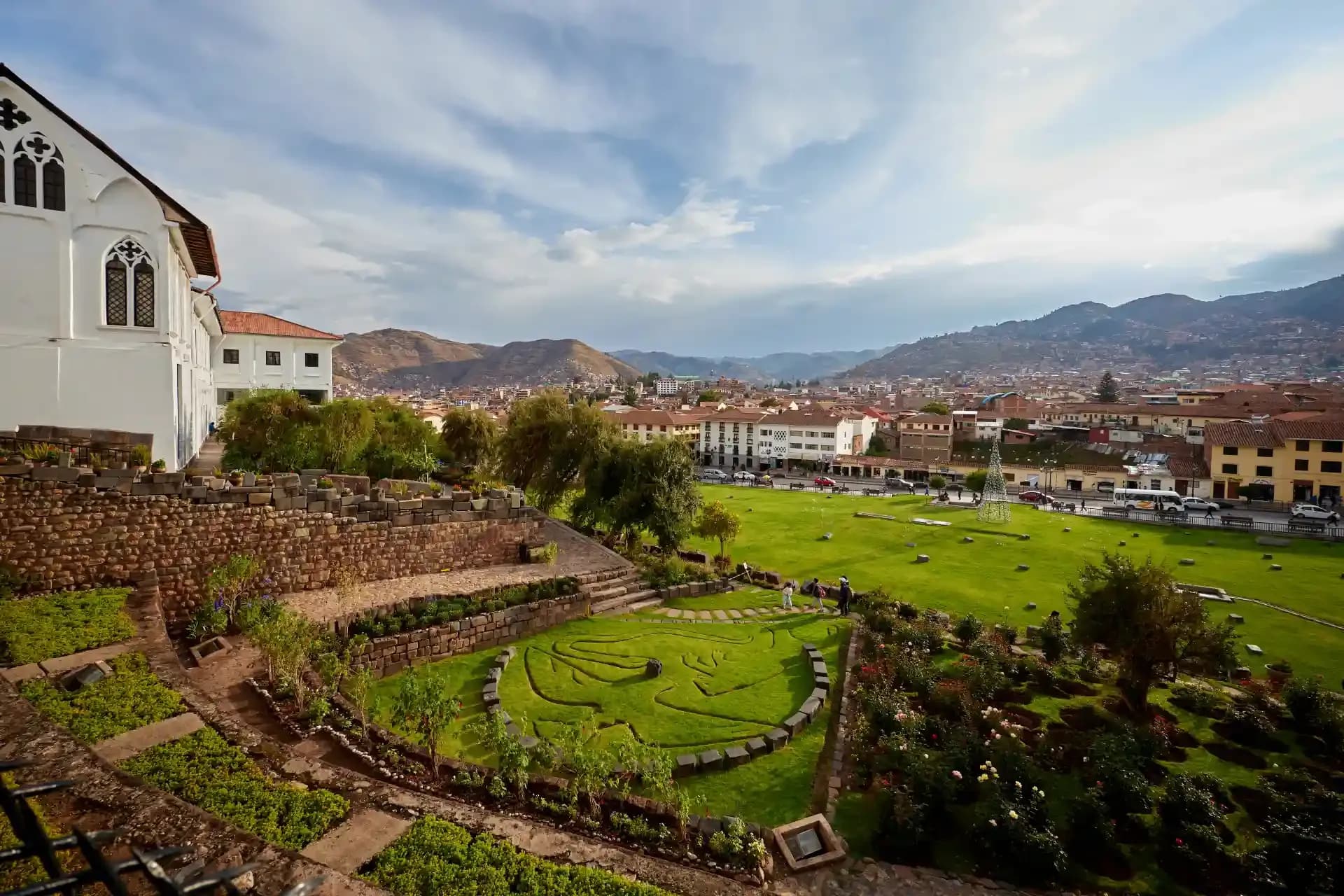
Cusco, the former capital of the Inca Empire, is a city steeped in history and cultural richness. Nestled in the Peruvian Andes, Cusco is a gateway to the famous Machu Picchu and a UNESCO World Heritage Site. The city is renowned for its unique blend of Incan and Spanish colonial architecture, vibrant markets, and a lively cultural scene. A must-visit for travelers seeking adventure and historical exploration, Cusco promises an unforgettable experience.
How to Get There
Geographical Location
Cusco is located in southeastern Peru, high in the Andes Mountains at an altitude of 3,400 meters (11,200 feet).
By Air
Alejandro Velasco Astete International Airport (CUZ) serves Cusco, with domestic flights connecting from Lima, Arequipa, and other cities. LATAM and Avianca offer regular flights from Lima, with an average flight time of 1.5 hours. For international travelers, flying to Lima first is the most common route.
By Train
Cusco is connected to other parts of Peru by scenic train routes, including the popular trains to Machu Picchu and Puno. The train ride from Ollantaytambo to Cusco is particularly scenic.
By Bus
Long-distance buses connect Cusco to major Peruvian cities like Lima, Arequipa, and Puno. The bus journey from Lima to Cusco takes around 20 hours, but buses are modern and comfortable, with companies like Cruz del Sur and Oltursa offering overnight services.
By Car
Driving to Cusco from other cities is possible, but the roads can be challenging due to the high-altitude terrain and winding mountain paths. Hiring a car with a local driver is advisable if you’re unfamiliar with the conditions.
Local Transportation
Cusco is a walkable city, but taxis and public buses are available for longer trips or if you’re heading to nearby attractions. Be sure to agree on a price with taxi drivers before starting your trip.
Weather Overview
Climate
Cusco has a subtropical highland climate, with two distinct seasons: the dry season (May to October) and the rainy season (November to April). Despite the altitude, the weather is relatively mild, but temperatures can drop significantly at night.
Seasonal Weather
– Summer (November to April): Rainy season with heavy afternoon showers and milder temperatures, ranging from 11°C to 18°C (52°F to 64°F).
– Winter (May to October):Dry season with sunny days and cold nights. Daytime temperatures range from 17°C to 19°C (63°F to 66°F), while nights can drop below 0°C (32°F).
Packing Tips
Bring layers for Cusco’s changing temperatures, especially during the winter months when the temperature fluctuates significantly between day and night. Pack rain gear if you’re visiting in the rainy season, and don’t forget sunscreen, as the altitude increases sun exposure.
Best Time to Go
Peak Tourist Season
May to September is the dry season, which is the best time to visit Cusco and Machu Picchu. The weather is ideal for hiking and exploring the city’s outdoor attractions, though it is also the busiest and most expensive time to visit.
Off-Peak Season
November to April is the rainy season, with fewer tourists and lower prices. While heavy rain can impact outdoor activities, this is a great time to explore Cusco’s indoor attractions and cultural sites.
Shoulder Season
April and October are considered shoulder months with fewer tourists, mild weather, and manageable rainfall. These months offer a good balance of pleasant weather and smaller crowds.
Special Events
– Inti Raymi (June): The Festival of the Sun is the largest and most important celebration in Cusco, honoring the Inca sun god with parades, ceremonies, and reenactments.
– Semana Santa (Easter Week): A major religious event with processions and celebrations throughout the city.
Top Things to Do
- Machu Picchu
The iconic Inca citadel is a must-see. Many travelers visit Cusco to embark on the journey to Machu Picchu, whether by train or trekking the famous Inca Trail.
- Sacsayhuamán
An impressive Incan archaeological site located just outside Cusco, Sacsayhuamán is known for its massive stone walls and panoramic views of the city.
- Plaza de Armas
The heart of Cusco, this historic square is surrounded by colonial buildings, including the Cusco Cathedral and the Church of La Compañía de Jesús. It’s a great place to relax and take in the city’s energy.
- Qorikancha (Temple of the Sun)
Once the most important temple in the Inca Empire, Qorikancha is now a fascinating site that combines Incan ruins with Spanish colonial architecture.
- San Pedro Market
A vibrant local market offering everything from fresh produce and street food to handcrafted souvenirs. It’s the perfect place to experience daily life in Cusco.
Foods to Eat
- Cuy (Guinea Pig)
A traditional Andean dish, cuy is typically roasted and served whole. It’s considered a delicacy and is often eaten during special celebrations.
- Lomo Saltado
A Peruvian stir-fry of marinated beef, tomatoes, onions, and spices, served with rice and fries. It’s a fusion dish influenced by Chinese cuisine.
- Chicha Morada
A refreshing drink made from purple corn, spices, and fruit. It’s sweet, slightly tangy, and commonly served throughout the region.
- Papa a la Huancaína
Sliced potatoes served with a spicy cheese sauce made from ají amarillo peppers. It’s a popular appetizer in Cusco.
- Quinoa Soup
Quinoa is a staple in the Andean diet, and this hearty soup made with vegetables and spices is a must-try for visitors.
Cultural Tips for Tourists
- Local Customs and Etiquette
Cusco residents are polite and welcoming. A handshake is a common greeting, and it’s important to show respect, especially when visiting indigenous communities. Always ask before taking photos of people, particularly in rural areas.
- Language Tips
Spanish is the primary language, but many locals also speak Quechua, the language of the Incas. Learning basic Spanish phrases can enhance your experience.
- Haggling and Shopping
Haggling is common in local markets, but be respectful and polite. Traditional crafts like alpaca wool clothing and silver jewelry make great souvenirs.
- Religious and Cultural Observances
Many of Cusco’s festivals have roots in both Catholic and indigenous traditions. Be respectful when visiting churches or religious sites, and dress modestly.
- Tipping Practices
Tipping is appreciated but not obligatory. In restaurants, a 10% tip is customary, and for guides or porters, tipping depends on the length and difficulty of the service provided.
Travel Tips from Locals
- Hidden Gems
Visit Tambomachay, a lesser-known Inca site featuring impressive aqueducts and fountains. It’s often quieter than other attractions.
- Best Times to Visit Popular Spots
For Machu Picchu, the best time to visit is early morning or late afternoon to avoid the largest crowds. Booking tickets in advance is essential, especially during peak season.
- Dining Etiquette
Meals in Cusco are often leisurely, and lunch is the largest meal of the day, typically eaten between 1:00 PM and 3:00 PM. Don’t rush the dining experience—enjoy the food and atmosphere.
- Safety Tips
Cusco is generally safe for tourists, but be mindful of pickpockets in crowded areas like markets or tourist sites. Stick to well-lit streets at night and use registered taxis.
- Navigating the City
Cusco’s narrow, cobblestone streets are best explored on foot. For longer distances, use official taxis or rideshare apps like Uber.
Budget
Cusco is budget-friendly, with options for every traveler.
– Hostel: $10-25/night
– Mid-range Hotel: $50-100/night
– Luxury Hotel: $150+/night
– Meals: Street food costs around $2-5, while a meal at a mid-range restaurant is around $10-20.
– Transport: Public buses are cheap (around $0.50 per ride), and taxis are affordable for short trips
Weekend Plan
Day 1:
– Explore the Plaza de Armas, visiting the Cusco Cathedral and La Compañía de Jesús.
– Visit Qorikancha and learn about the fusion of Incan and Spanish architecture.
– End your day with a walk through San Pedro Market.
Day 2:
– Head to Sacsayhuamán for a morning tour of the ancient ruins.
– Spend the afternoon exploring the colorful streets of San Blas, the artist district of Cusco.
– Enjoy a traditional Andean dinner at a local restaurant.
Day 3:
– Visit the Inca Museum for a deep dive into Inca history.
– Take a leisurely hike to Tambomachay for a peaceful escape from the crowds.
– Wrap up your day with a panoramic view of the city from Cerro San Cristóbal.
Conclusion
Cusco is a city where history and culture come alive at every corner. From exploring ancient Inca ruins to discovering vibrant local markets, this city offers a blend of adventure, history, and authenticity. Whether you’re here for the awe-inspiring Machu Picchu or to experience the rich traditions of the Andes, Cusco will leave a lasting impression. Start planning your trip and get ready to immerse yourself in the wonders of the Inca capital.
