Skip to content Skip to sidebar Skip to footer

Discover Havana: From Historic Squares to Seaside Charms

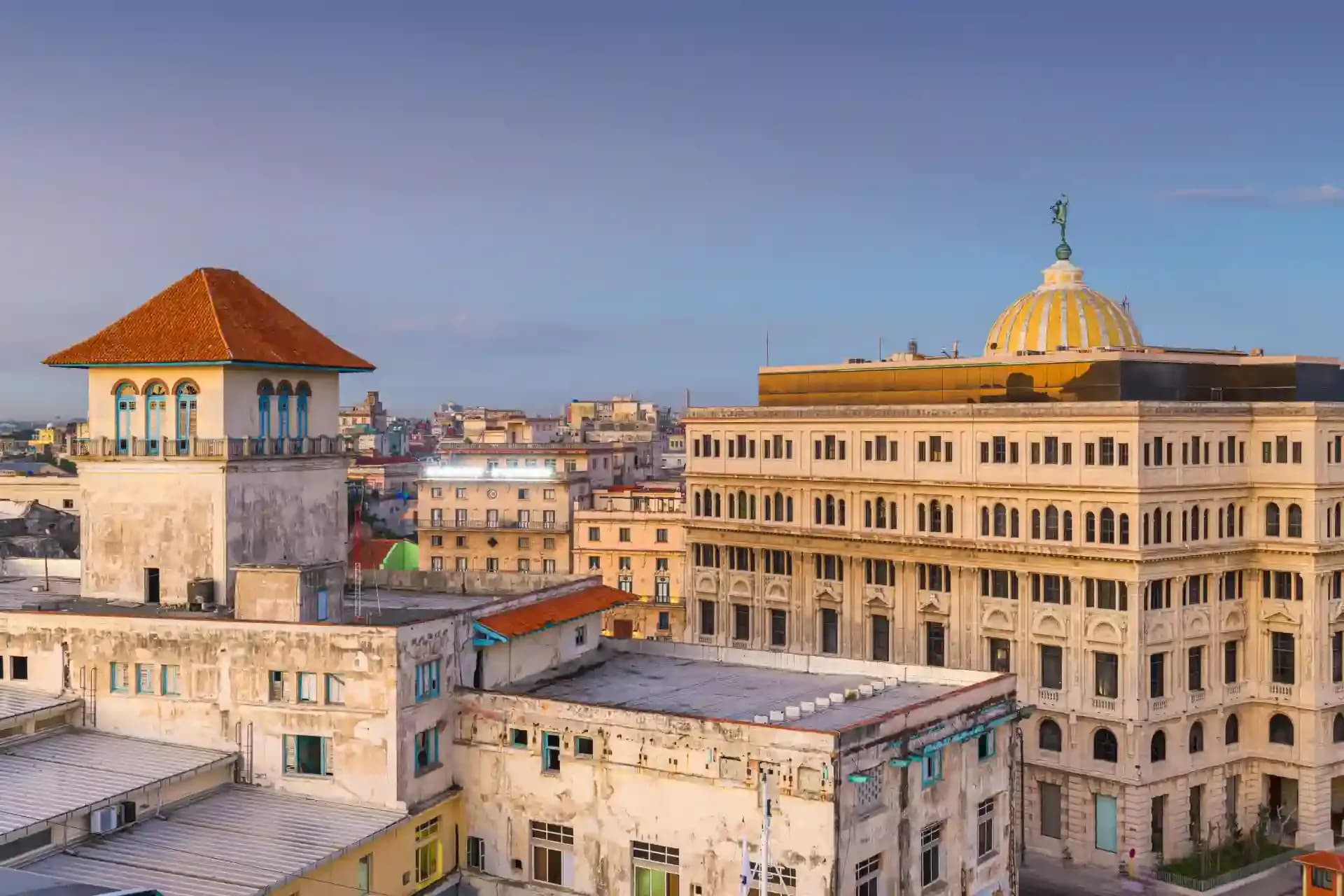
Havana, Cuba’s vibrant heartbeat, is a city where every street hums with life, culture, and nostalgia. Picture strolling down boulevards lined with pastel-colored colonial buildings, vintage cars rolling by like moving art, and the intoxicating sounds of salsa filling the air. It’s a place where history lives in the architecture, and every corner tells a story of revolution, resilience, and rhythm. Whether you’re losing yourself in the charm of the old plazas, dancing the night away to live music, or savoring the salty breeze by the Caribbean, Havana promises an adventure that sweeps you off your feet and into the soul of Cuba.

How to Get There

Geographical Location: Havana is located on the north coast of Cuba, along the beautiful Caribbean Sea. The city’s waterfront, known as the Malecón, is a long, scenic avenue that stretches for miles.

By Air: José Martí International Airport (HAV) is the main airport serving Havana. It’s about 20 km from the city center, and major airlines like Air Canada, American Airlines, and Air France offer flights to Havana. To find the best deals, book flights in advance, and consider flying midweek when fares are usually lower.

By Train: There are no international train services to Havana, but within Cuba, trains run between major cities like Santiago de Cuba and Havana. While not the fastest option, it offers a scenic and affordable way to travel across the country.

By Bus: Cuban buses, especially the Viazul service, offer affordable and comfortable travel to Havana from cities like Varadero and Trinidad. Buses are air-conditioned, but it’s best to book tickets in advance, especially during peak travel seasons.

By Car: If you’re feeling adventurous, renting a car is an option. The roads leading into Havana are generally in decent condition, but road signs can be confusing. Major highways like the Autopista Nacional connect Havana to other parts of the island.

Local Transportation: Havana has a mix of buses, taxis, and “almendrones” (shared vintage car taxis). The Metrobus system is the cheapest option, but taxis are more convenient for tourists. For a more immersive experience, ride in one of the city’s iconic classic cars!

Weather Overview

Climate: Havana enjoys a tropical climate, with warm temperatures year-round. Average temperatures hover around 25-30°C (77-86°F), making it a great destination for sun-seekers.

Seasonal Weather:

  • Spring (March-May): Mild temperatures and fewer crowds, with average highs around 28°C (82°F).
  • Summer (June-August): The hottest season, with temperatures reaching 32°C (90°F) and higher humidity.
  • Fall (September-November): Cooler and less humid, but it’s also the hurricane season. Be prepared for occasional rainfall.
  • Winter (December-February): Cooler but pleasant, with temperatures around 23-26°C (73-79°F), perfect for exploring.

Packing Tips: Pack light, breathable clothing for the humid weather. Bring a hat, sunscreen, and comfortable shoes for walking. Don’t forget a rain jacket if visiting during hurricane season.

Best Time to Go

Peak Tourist Season: December to April is the best time to visit, with ideal weather and plenty of festivals. However, expect larger crowds, especially around major attractions like Old Havana.

Off-Peak Season: May to November is the off-peak period, with fewer tourists and lower prices. Keep in mind that this is also the rainy season, with the risk of hurricanes, but you’ll find more affordable accommodations and flights.

Shoulder Season: November and early May offer the perfect blend of good weather, fewer crowds, and lower prices, making it a great time for budget-conscious travelers.

Special Events:

  • Havana Carnival (July-August): A lively, colorful celebration filled with parades, music, and dance.
  • Havana International Jazz Festival (January): A world-renowned event attracting jazz lovers from around the globe.

Top Things to Do

Plaza de la Revolución: Step into history at Havana’s most iconic square, where the faces of Che Guevara and Camilo Cienfuegos stare down from colossal murals. Climb the José Martí Memorial for sweeping panoramic views of the city, and feel the revolutionary spirit that still resonates through this grand plaza.

Old Havana (Habana Vieja): Wander through the enchanting maze of Old Havana, a UNESCO World Heritage Site. This historic district brims with colorful buildings, cobblestone streets, and lively squares. Explore Plaza de Armas, with its bustling markets and historic architecture, and marvel at the grandeur of El Capitolio, a testament to Havana’s rich past.

El Malecón: Embrace the heart of Havana by strolling along the El Malecón, an 8-kilometer seaside promenade. This vibrant stretch comes alive at sunset, as locals gather to socialize and music fills the air. It’s the perfect spot to soak in Havana’s coastal charm and lively atmosphere.

Fusterlandia: Discover a whimsical world at Fusterlandia, an open-air museum created by the artistic genius José Fuster. This hidden gem in the neighborhood of Jaimanitas features mosaic-covered houses and streets, transforming everyday spaces into a visual feast that captivates with its vibrant colors and creative designs.

Finca Vigía: Step into the world of literary legend at Finca Vigía, Ernest Hemingway’s former home. Preserved as it was when he lived there, this house offers a glimpse into the life and works of the renowned author, surrounded by the lush landscapes that inspired some of his most celebrated writings.

Foods to Eat

  1. Ropa Vieja A traditional Cuban dish of shredded beef cooked with tomatoes and spices. Try it at La Bodeguita del Medio, a favorite spot for locals and tourists alike.
  2. Tostones Fried plantain slices, crispy on the outside and soft on the inside, often served as a side dish.
  3. Arroz con Pollo A hearty dish of chicken and rice, cooked with local spices. Paladar San Cristóbal is a great spot to sample this Cuban classic.
  4. Cuban Sandwich A must-try! This grilled sandwich is filled with roasted pork, ham, Swiss cheese, pickles, and mustard. Cafeteria Donde Lis serves some of the best.
  5. Lechón Asado Slow-roasted pork, often served during celebrations. Visit El Aljibe for an authentic experience.

Cultural Tips for Tourists

  1. Local Customs and Etiquette: Cubans are warm and friendly. A polite “Hola” with a smile goes a long way. Dress conservatively when visiting religious sites.
  2. Language Tips: Spanish is the official language, but many locals working in tourism speak some English. Learn a few basic phrases like “Gracias” (thank you) and “Por favor” (please).
  3. Haggling and Shopping: Bargaining is common in markets, especially when buying souvenirs like cigars, rum, or handicrafts.
  4. Religious and Cultural Observances: Respect religious practices, particularly at churches. Sundays are often family days, and many businesses may be closed.
  5. Tipping Practices: Tipping is customary in Havana. In restaurants, leave a 10-15% tip. Small tips for hotel staff and taxi drivers are also appreciated.

Travel Tips from Locals

  1. Discover Callejón de Hamel: Unveil a vibrant slice of Havana’s artistic soul with a stroll down Callejón de Hamel. This alleyway bursts with colorful murals and is the heartbeat of spontaneous rumba music sessions every Sunday. Immerse yourself in this lively cultural hotspot where art and rhythm collide.
  2. Optimal Times for Popular Spots: To truly experience Old Havana without the crowds, set out early in the morning. For an unforgettable view, visit El Malecón at sunset when the golden light bathes the promenade and the city’s coastal beauty is at its peak.
  3. Dining Etiquette: Embrace the local dining culture by enjoying a hearty lunch around 2 pm, which is typically the main meal of the day. For dinner, opt for a lighter fare served later, often after 8 pm, and savor the relaxed pace of Cuban evenings.
  4. Safety Tips: Havana is generally welcoming and safe, but exercise caution by avoiding flashy displays of valuables. Stick to well-lit areas after dark and use government-authorized taxis to ensure a secure travel experience.
  5. Navigating the City: To fully absorb Havana’s charm, explore on foot and soak up the atmosphere of its neighborhoods. When you need a break, indulge in a nostalgic ride in one of the city’s iconic classic cars for a unique and memorable way to see Havana’s streets.


Budget

For a week in Havana:

  • Accommodation: $30-$150 per night (from budget casas particulares to boutique hotels)
  • Meals: $5-$30 per meal, depending on where you eat.
  • Transportation: $10-$50 for taxis or classic car rides, and less than $1 for public buses.

Weekend Plan


Day 1: A Historic Welcome Kick off your Havana adventure by immersing yourself in the rich history of Old Havana. Wander through its charming cobblestone streets, marvel at the vibrant facades, and soak up the atmosphere of historic squares. Next, make your way to the Plaza de la Revolución, where you can admire the iconic murals of Che Guevara and Camilo Cienfuegos, and take in sweeping views from the José Martí Memorial. As evening falls, treat yourself to a delightful dinner at a local paladar, where you can savor authentic Cuban cuisine in a cozy, family-run setting.

Day 2: Literary Legends and Coastal Relaxation Start your day with a visit to Finca Vigía, the former home of Ernest Hemingway. Explore the preserved house and its lush surroundings, where Hemingway penned some of his greatest works. Afterward, head to El Malecón, Havana’s famed seaside promenade. Stroll along the 8 km stretch, unwind by the sea, and enjoy the vibrant atmosphere. As the sun sets, indulge in a fresh seafood dinner at a local restaurant, experiencing the flavors of Havana’s coastal cuisine.

Day 3: Artistic Vibrancy and Rhythmic Beats Dedicate your final day to exploring the colorful world of Fusterlandia. This extraordinary neighborhood, transformed by artist José Fuster, is an open-air gallery of mosaic-covered houses and whimsical art. In the afternoon, venture to Callejón de Hamel, where you’ll find a lively fusion of art and music. Enjoy the vibrant murals and immerse yourself in the rhythmic pulse of live rumba music, a true celebration of Havana’s artistic spirit.

Conclusion

Havana is a city that offers a unique blend of history, culture, and soul. With its vibrant streets, welcoming people, and rich traditions, it’s a place you’ll want to return to again and again. Pack your bags, and get ready to be enchanted by the rhythms and colors of this unforgettable destination.

Leave a Comment