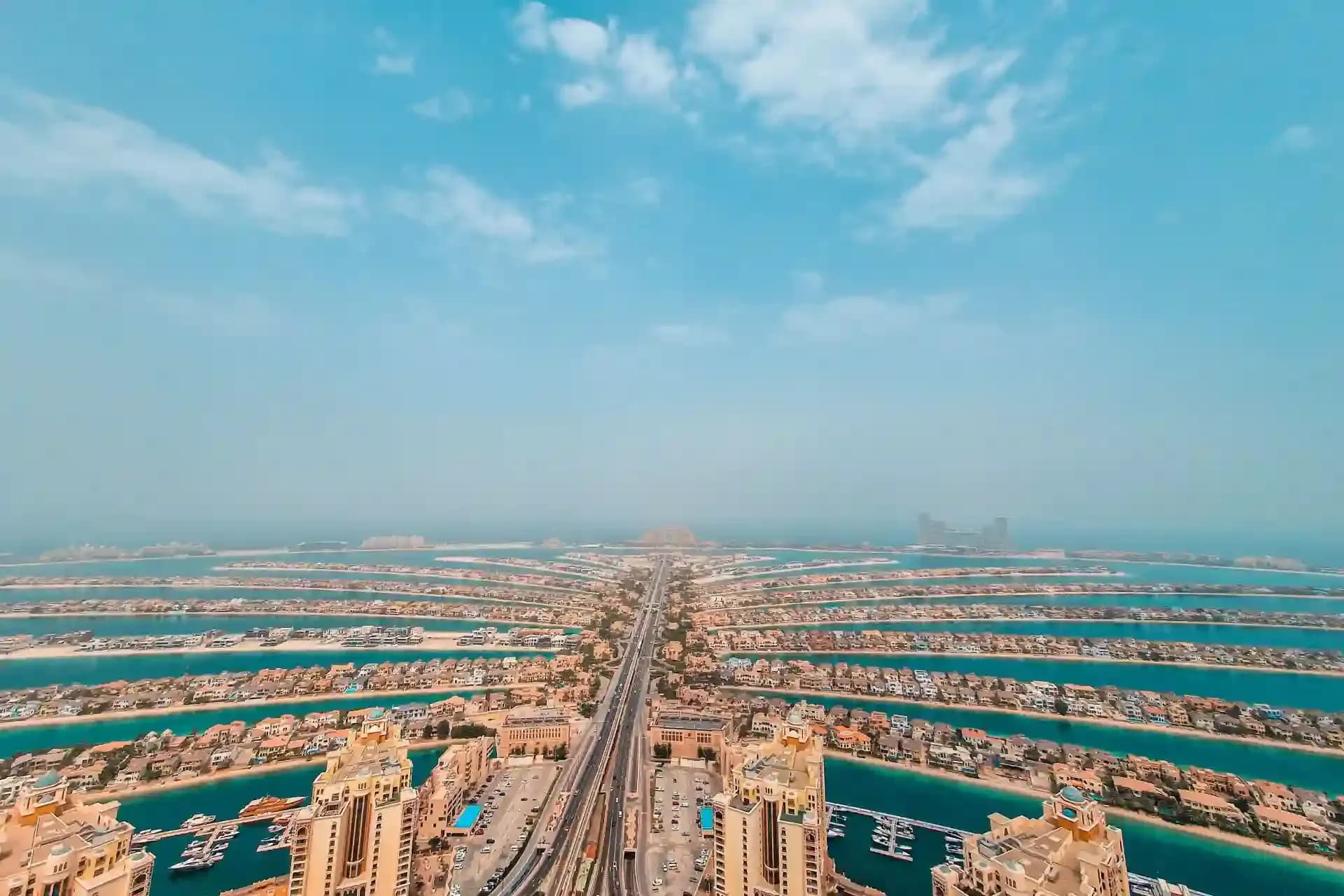
Dubai: Your Ultimate Travel Guide
Introduction Dubai, a gleaming oasis in the Arabian Desert, is a city of superlatives—home to the world's tallest building, the largest shopping mall, and man-made islands shaped like a palm tree. Known for its luxurious lifestyle, stunning modern archi
- Spring (March-May):Warm temperatures between 25-35°C (77-95°F). Ideal for outdoor activities before the summer heat sets in.
- Summer (June-August):Extremely hot and humid, with temperatures often exceeding 40°C (104°F). Indoor activities in air-conditioned environments are recommended.
- Autumn (September-November):Gradual cooling, with temperatures between 30-40°C (86-104°F). A good time to visit before the peak tourist season.
- Winter (December-February):Mild and pleasant, with temperatures between 19-25°C (66-77°F). Perfect for outdoor sightseeing and beach activities.
- Spring/Autumn:Light, breathable clothing and sunglasses.
- Summer:Lightweight clothing, a hat, sunscreen, and plenty of water to stay hydrated.
- Winter:Light layers, as evenings can be cooler, especially in the desert.
- Dubai Shopping Festival:January-February, with massive sales and entertainment events across the city.
- Dubai International Film Festival:December, showcasing films from the Middle East and around the world.
- Dubai Food Festival:February-March, celebrating the city’s diverse culinary scene.
- Burj KhalifaVisit the world’s tallest building and enjoy panoramic views of the city from the observation decks on the 124th and 148th floors. Book tickets in advance to avoid long queues.
- Dubai MallExplore the largest shopping mall in the world, home to over 1,200 shops, an indoor ice rink, an aquarium, and a plethora of dining options. Don’t miss the Dubai Fountain show outside.
- Desert SafariExperience the thrill of dune bashing, camel riding, and sandboarding in the Arabian Desert. Most tours include a traditional Bedouin-style dinner and cultural performances.
- Dubai MarinaTake a leisurely stroll along the Dubai Marina, one of the city’s most vibrant neighborhoods. Enjoy a dhow cruise or dine at one of the waterfront restaurants.
- Dubai Museum and Al Fahidi FortExplore Dubai’s rich history at the Dubai Museum, housed in the Al Fahidi Fort. Learn about the city’s transformation from a small fishing village to a global metropolis.
- ShawarmaA popular street food, shawarma consists of marinated meat (usually chicken or lamb) wrapped in flatbread. Try it at Al Mallah or Automatic Restaurant.
- Al HareesA traditional Emirati dish made from wheat and meat, slow-cooked to perfection. Often served during Ramadan and Eid. Al Fanar Restaurant offers an authentic experience.
- MachboosA fragrant rice dish made with meat (usually chicken or lamb) and seasoned with spices. It’s a staple in Emirati cuisine. Visit Logma for a modern twist on this classic dish.
- LuqaimatThese sweet, deep-fried dumplings drizzled with date syrup are a must-try dessert. Head to Arabian Tea House for a taste of these delicious treats.
- Hummus and MezzeEnjoy a selection of traditional Middle Eastern dips like hummus, baba ghanoush, and tabbouleh. Reem Al Bawadi is a popular spot for a mezze feast.
- Local Customs and EtiquetteDubai is a Muslim city, and modest dress is appreciated, especially in public places and religious sites. Public displays of affection should be kept to a minimum.
- Language TipsWhile Arabic is the official language, English is widely spoken, especially in the tourism and business sectors. Learning a few Arabic phrases like "Shukran" (thank you) and "Marhaba" (hello) can be helpful.
- Haggling and ShoppingHaggling is common in traditional markets (souks), particularly for items like gold, spices, and textiles. Start by offering about half of the asking price and negotiate from there.
- Religious and Cultural ObservancesRespect local customs, especially during the holy month of Ramadan when eating, drinking, or smoking in public during daylight hours is not allowed. Friday is the holy day, and many businesses may open later in the day.
- Tipping PracticesTipping is appreciated but not obligatory. In restaurants, a 10-15% tip is standard if service charge is not included. For services like taxis and hotel staff, rounding up the fare or giving a small tip is customary.
- Hidden GemsExplore the Alserkal Avenue, Dubai’s arts and culture district, for contemporary galleries, workshops, and unique dining experiences.
- Best Times to Visit Popular SpotsVisit the Burj Khalifa early in the morning or late in the evening to avoid crowds. The Dubai Mall is best visited on weekdays to escape the weekend rush.
- Dining EtiquetteMeals are often shared, and it’s customary to eat with your right hand. Try to finish everything on your plate, as it’s considered polite.
- Safety TipsDubai is one of the safest cities in the world, but it’s always wise to keep an eye on your belongings in crowded areas. Be aware of cultural sensitivities, especially regarding photography.
- Navigating the CityThe Dubai Metro is the most efficient way to get around the city. Consider getting a Nol card for easy access to all public transport options. Avoid driving during rush hours to steer clear of heavy traffic.
- Morning: Visit the Burj Khalifa and Dubai Mall.
- Afternoon: Explore the Dubai Museum and Al Fahidi Fort.
- Evening: Enjoy a dhow cruise along Dubai Marina and dine at a waterfront restaurant.
- Morning: Go on a desert safari with dune bashing and camel riding.
- Afternoon: Relax at Jumeirah Beach and visit the Burj Al Arab for afternoon tea.
- Evening: Stroll through the souks of Deira and experience the vibrant atmosphere of the Gold and