
Experiencing the Vibrant Energy of Carnival in Brazil
Location: Carnival in Brazil is celebrated nationwide, but the most famous and grandiose events take place in Rio de Janeiro, Salvador, and São Paulo. Each city offers a unique experience, with Rio de Janeiro known for its spectacular Samba parade at the Sambad
- Rio de Janeiro:Fly into Rio de Janeiro’s Galeão International Airport (GIG) from major international hubs. From the airport, you can take a taxi, Uber, or shuttle to your accommodation.
- Salvador:Arrive at Salvador’s Deputado Luís Eduardo Magalhães International Airport (SSA). From there, taxis or Ubers are the most convenient options to reach your destination.
- São Paulo:São Paulo-Guarulhos International Airport (GRU) is the main gateway. Taxis, Ubers, and buses are available to take you into the city.
- Light Clothing:Pack breathable fabrics like cotton or linen, as the weather will be hot.
- Comfortable Shoes:You’ll be walking and dancing a lot, so comfortable shoes are a must.
- Costume:Many participants dress up in colorful and extravagant costumes, especially in Rio. Consider bringing or purchasing one locally to join the fun.
- Sunscreen and Hat:Protect yourself from the strong Brazilian sun.
- Portable Fan:A handheld fan can be a lifesaver in the heat.
- Reusable Water Bottle:Stay hydrated during the festivities.
- Rio de Janeiro:Copacabana, Ipanema, and Lapa are popular areas to stay. Copacabana and Ipanema offer beachside accommodations, while Lapa is known for its nightlife.
- Salvador:Pelourinho and Barra are the best neighborhoods for tourists. Pelourinho is rich in culture and history, while Barra offers easy access to the beach and Carnival events.
- São Paulo:Vila Madalena and Jardins are trendy areas with a vibrant atmosphere, offering a mix of nightlife, dining, and proximity to Carnival events.
- Accommodation:Prices during Carnival skyrocket, with mid-range hotels costing between $150-$300 per night. Budget accommodations are cheaper but fill up quickly, so book early.
- Meals:Expect to spend around $10-$20 per meal at mid-range restaurants.
- Tickets:If attending the Sambadrome in Rio, ticket prices range from $50 to over $2000 depending on the seating area.
- Rio de Janeiro:The iconic Sambadrome parade is the highlight, where samba schools compete with elaborate floats, costumes, and performances. The atmosphere is electric, and the scale is breathtaking.
- Salvador:Known for its street Carnival, Salvador’s celebration is deeply rooted in Afro-Brazilian culture. The music is a mix of samba, reggae, and axé, and the city’s bloco (street parties) are inclusive, drawing everyone into the celebration.
- São Paulo:São Paulo’s Carnival is a blend of tradition and modernity. The city hosts a competitive samba parade similar to Rio’s but with a unique Paulista flair. The street parties are also gaining popularity, offering a more laid-back and diverse experience.
You Might Also Like
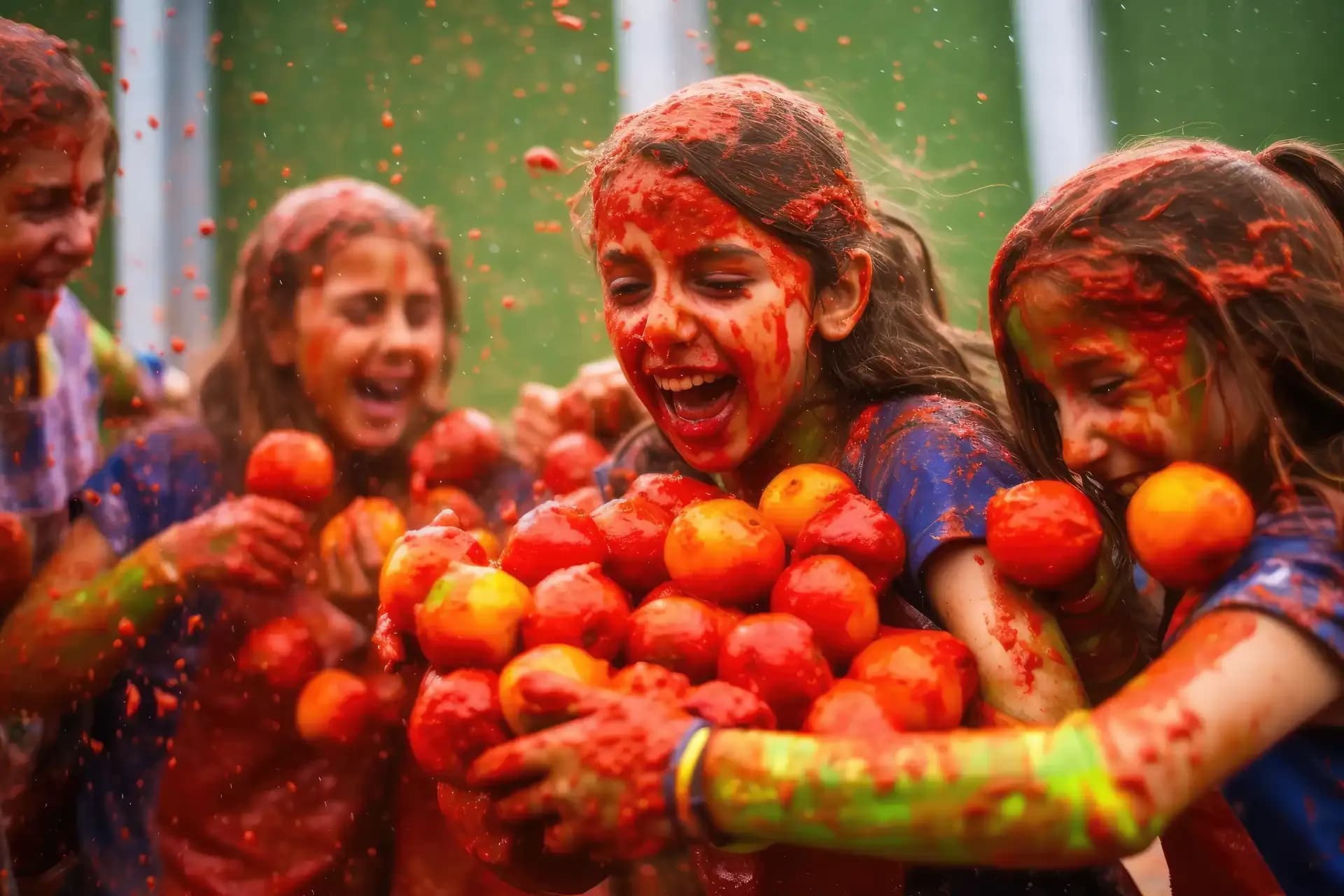
Getting Messy at La Tomatina in Spain
Location: La Tomatina takes place in the small town of Buñol, located in the Valencia region of Spain. This annual festival is famous for its massive tomato fight, drawing thousands of participants from around the world. How to Get There: <

Witnessing the Beauty of Japan’s Cherry Blossom Festival
Location: The Cherry Blossom Festival, known as Hanami in Japan, is celebrated across the country, with the most famous viewing spots located in cities such as Tokyo, Kyoto, Osaka, and Hokkaido. Each location off

Goa Carnival in India
Location: The Goa Carnival, a vibrant and lively festival, takes place across the state of Goa, with the main celebrations happening in Panaji, Margao, Vasco da Gama, and Mapusa. The streets come alive with parades, music, dance, and colorful costumes, celeb