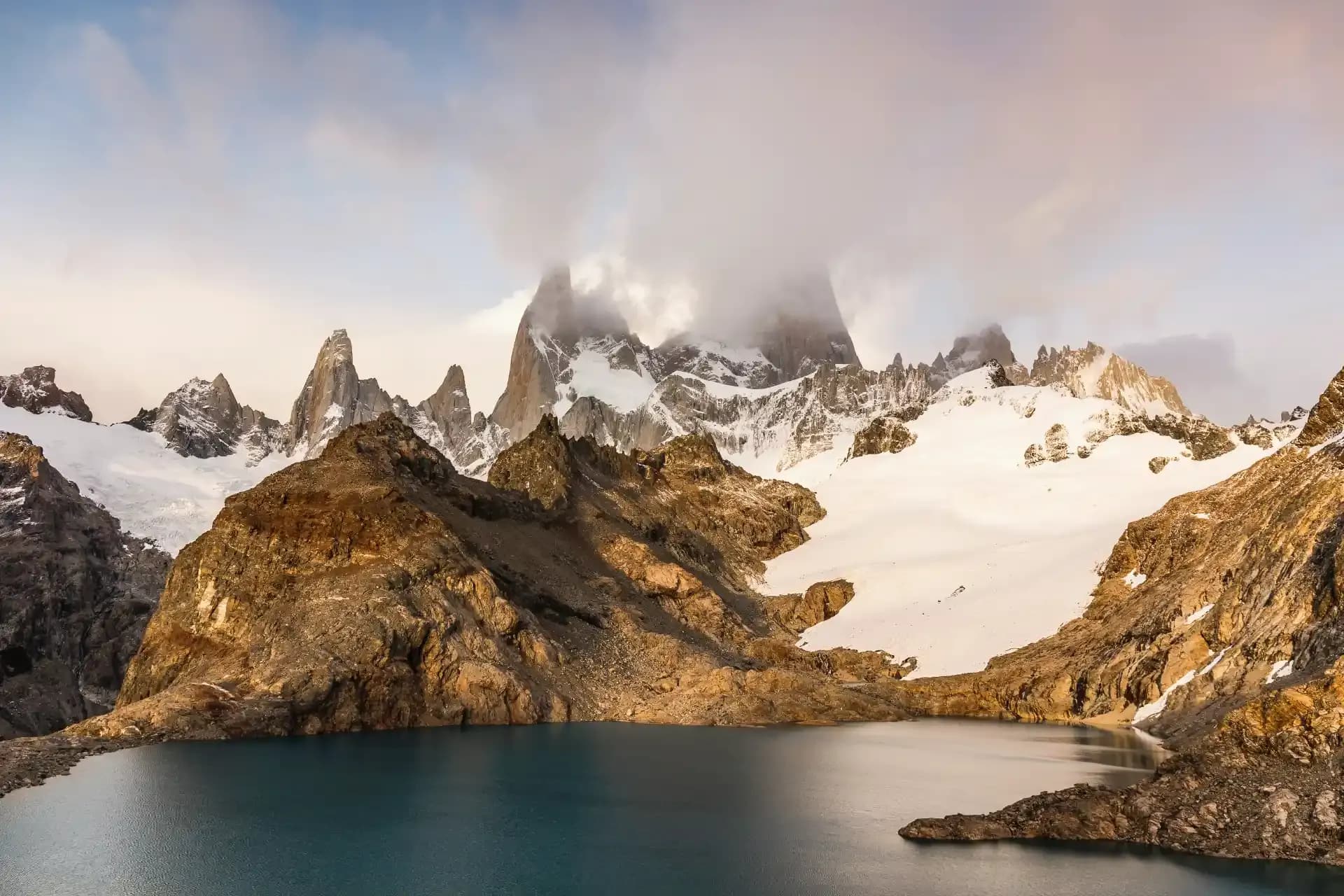
Exploring the Patagonia Hiking Trails: A Comprehensive Guide
Patagonia, a region spanning the southernmost parts of Argentina and Chile, is a hiker’s paradise. Known for its breathtaking landscapes, dramatic mountain ranges, and stunning glaciers, Patagonia offers some of the most scenic and rewarding hikes in the world. Whethe
Location
How to Get There
Best Time to Go
What to Bring
- Clothing:Layered clothing is key. Bring moisture-wicking base layers, insulating mid-layers (like fleece or down), and a waterproof and windproof outer shell. Don't forget a hat, gloves, and a buff or scarf for wind protection.
- Footwear:Sturdy, waterproof hiking boots with good ankle support are a must. Consider bringing gaiters to keep debris and water out of your boots.
- Backpack:A comfortable, waterproof backpack with a capacity of around 30-50 liters, depending on the length of your hike.
- Camping Gear:If you're planning on camping, bring a lightweight tent, sleeping bag rated for cold weather, and a sleeping mat.
- Other Essentials:Sunglasses, sunscreen, a reusable water bottle, trekking poles, a first-aid kit, a headlamp, and high-energy snacks.
- Navigation:A map, compass, and/or GPS device, as some trails are remote and signage can be sparse.
How Long to Plan For
- Torres del Paine’s W Trek: Typically takes 4-5 days.
- The O Circuit in Torres del Paine: Takes 7-9 days.
- Fitz Roy Trek in Los Glaciares National Park: A shorter trek that can be done in 2-3 days.
- Perito Moreno Glacier Trek: A day hike with options for ice trekking.
Where to Stay
- Hotels and Lodges:In towns like Puerto Natales (Chile) and El Calafate (Argentina), you’ll find comfortable hotels and lodges. These are great for travelers who prefer not to camp.
- Camping:Most major trails have designated campsites. Some are basic, with just a place to pitch a tent, while others offer amenities like restrooms and cooking shelters. Make sure to book in advance during the high season.
- Refugios:These mountain huts are a popular option along the W Trek in Torres del Paine. They provide bunk beds, communal kitchens, and meals, but spots fill up quickly.
Average Price
- Accommodation:Budget around $50-100 per night for basic hotels, $20-50 for camping, and $80-150 for refugios.
- Park Entry Fees:Entry to Torres del Paine costs around $35-$50, and Los Glaciares is around $20-$25.
- Food:In towns, expect to pay $10-$20 per meal at a mid-range restaurant. For camping, plan to bring your own food, which you can purchase at local grocery stores.
- Guided Tours:If you choose guided treks or excursions (like the Perito Moreno Glacier trek), prices can range from $100 to $300 per day.
Where to Get Food
What Makes Each Location Unique
- Torres del Paine National Park (Chile):Famous for its iconic granite towers, the park offers diverse landscapes, including emerald lakes, glaciers, and steppe. The W and O circuits provide some of the most stunning vistas in the world.
- Los Glaciares National Park (Argentina):Home to the Fitz Roy massif and the Perito Moreno Glacier, this park is perfect for those looking to explore both rugged mountain terrain and awe-inspiring glaciers.
- Fitz Roy Trek:Offers a more intimate hiking experience with close-up views of the jagged Fitz Roy peaks, often shrouded in clouds, adding to their mystical allure.
- Perito Moreno Glacier:One of the few advancing glaciers in the world, it offers the rare opportunity to experience the dynamic, ever-changing ice landscape up close.