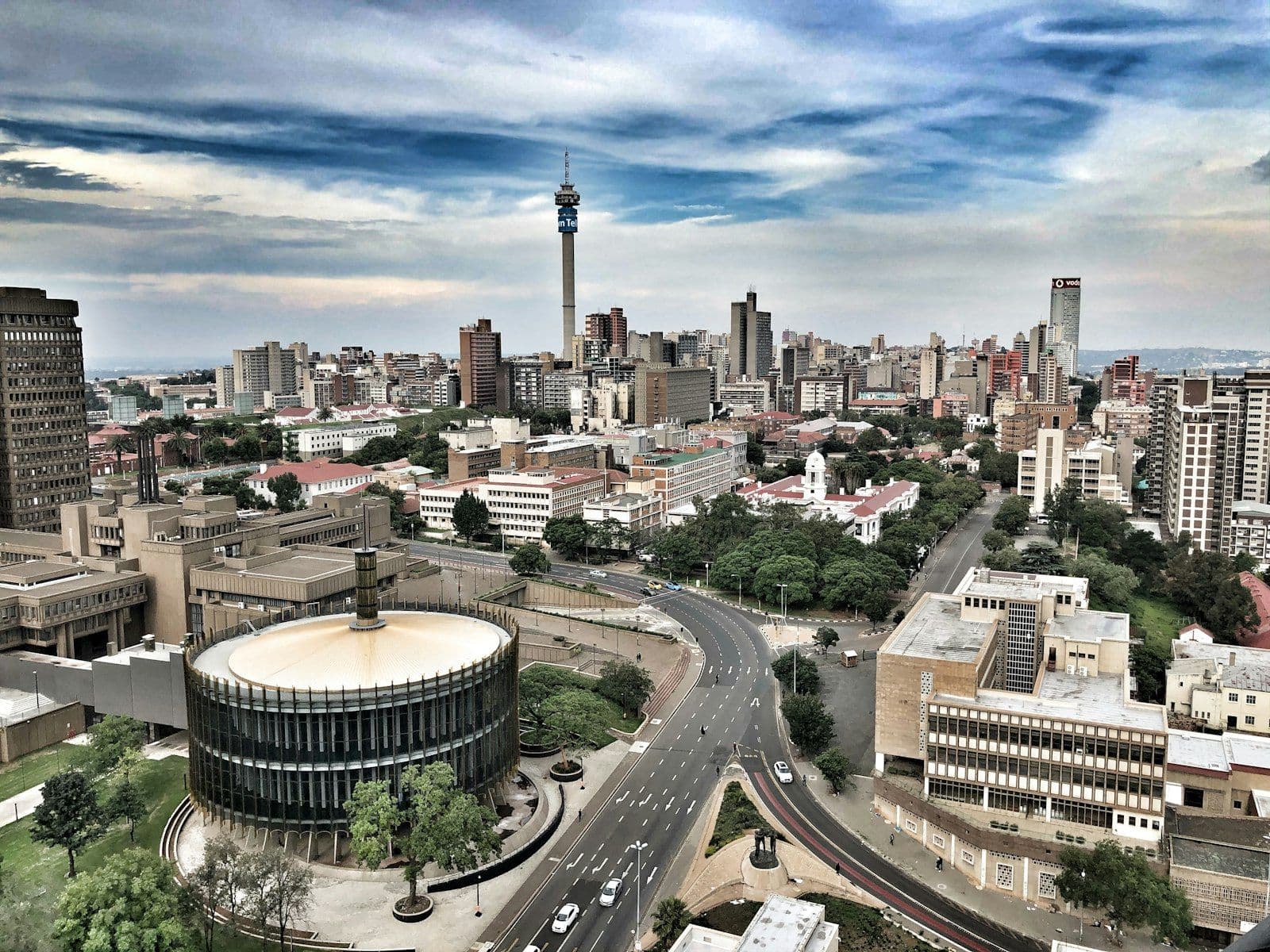
Johannesburg
Introduction Johannesburg, often referred to as Jo’burg or Joburg, is South Africa’s largest city and the heart of the country’s economic and cultural activity. Known for its rich history, vibrant arts scene, and dynamic urban life, Johannesburg is a
Introduction
How to Get There
Weather Overview
- Spring (September to November):Warm and pleasant, with occasional rain showers.
- Summer (December to February):Hot with afternoon thunderstorms, ideal for enjoying outdoor activities in the morning.
- Fall (March to May):Cooler temperatures with clear skies, perfect for sightseeing.
- Winter (June to August):Mild days with chilly nights, a great time for indoor activities and cultural experiences.
Best Time to Go
Top Things to Do
- Apartheid MuseumA visit to the Apartheid Museum offers a powerful and moving insight into South Africa’s history. The exhibits provide a deep understanding of the country’s struggle for freedom and equality.
- Constitution HillExplore this historic site that once served as a prison and is now home to South Africa’s Constitutional Court. The site offers tours that delve into the country’s history and its journey towards democracy.
- SowetoA tour of Soweto (South Western Townships) is a must for anyone interested in the history of South Africa’s liberation movement. Visit landmarks such as Nelson Mandela’s House and the Hector Pieterson Memorial.
- Maboneng PrecinctThis vibrant urban neighborhood is known for its artsy vibe, with galleries, street art, cafes, and markets. It’s a great place to experience Johannesburg’s creative side.
- Gold Reef CityThis theme park and entertainment complex is built on an old gold mine and offers fun for the whole family, including thrilling rides, shows, and a glimpse into the city’s gold rush history.
Foods to Eat
- Bunny ChowA popular South African dish consisting of hollowed-out bread filled with curry. It’s a must-try in Johannesburg, especially at local eateries like Gandhi’s Vegetarian Restaurant.
- BraaiThe South African barbecue, known as braai, is a cultural tradition. Enjoy a variety of grilled meats at places like The Local Grill or at a township braai spot.
- Pap and ChakalakaA staple in South African cuisine, pap is a maize porridge typically served with chakalaka, a spicy vegetable relish. It’s a comforting dish found at many local restaurants.
- BoereworsA traditional South African sausage made from beef and pork, often enjoyed during a braai. Try it at a local butcher or restaurant specializing in South African cuisine.
- Malva PuddingA sweet, sticky dessert made with apricot jam and served with a hot cream sauce. It’s a delicious way to end a meal and can be found at many Johannesburg restaurants.
Cultural Tips for Tourists
- Local Customs and EtiquetteJohannesburg residents are generally friendly and welcoming. A simple greeting like “hello” or “howzit” goes a long way. Respect for elders and local customs is important, especially in more traditional areas.
- Language TipsEnglish is widely spoken in Johannesburg, but learning a few phrases in Zulu or Afrikaans can enhance your experience and show respect for the local culture.
- Haggling and ShoppingHaggling is common in markets like Rosebank Rooftop Market or Neighbourgoods Market. It’s a fun part of the shopping experience, so don’t hesitate to negotiate prices on local crafts and goods.
- Religious and Cultural ObservancesJohannesburg is home to diverse cultures and religions. Be mindful of religious practices, particularly in areas with significant Muslim, Hindu, or Jewish communities. Dress modestly when visiting religious sites.
- Tipping PracticesTipping is customary in Johannesburg, with a standard of 10-15% in restaurants. Small tips are also appreciated for services like taxi drivers, porters, and guides.
Travel Tips from Locals
- Hidden GemsExplore the Walter Sisulu National Botanical Garden, a tranquil spot for nature lovers, or take a stroll through the Johannesburg Botanical Gardens.
- Best Times to Visit Popular SpotsVisit the Apartheid Museum early in the morning to avoid crowds and allow yourself plenty of time to absorb the exhibits.
- Dining EtiquetteIn Johannesburg, it’s common to enjoy a leisurely meal. Don’t rush—take your time to savor the food and the experience. Also, consider trying local street food for an authentic taste of the city.
- Safety TipsLike any large city, Johannesburg has areas where caution is advised. Stick to well-known tourist areas, avoid walking alone at night, and keep an eye on your belongings.
- Navigating the CityUsing the Gautrain is a safe and efficient way to travel between key areas. Renting a car is also a good option for exploring beyond the city center.
Budget
- Hostel Stay:$50 - $90
- Hotel Stay:$130 - $250
- Meals:$8 - $15 per day
- Local Transportation:$15 - $30 per week
Weekend Plan
- Day 1:Start with a visit to the Apartheid Museum, followed by a tour of Constitution Hill. Spend the evening in the Maboneng Precinct, enjoying its lively atmosphere.
- Day 2:Take a day trip to Soweto to explore its rich history, including a visit to Nelson Mandela’s House. In the evening, enjoy a traditional braai at a local restaurant.
- Day 3:Spend your final day at Gold Reef City, experiencing the thrill of the rides and learning about Johannesburg’s gold mining past. End the day with a peaceful walk through one of the city’s botanical gardens.