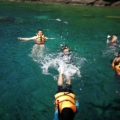
Phang Nga Bay, located in southern Thailand, is renowned for its dramatic limestone cliffs, emerald-green waters, and hidden lagoons that create an enchanting landscape. Kayaking through these secluded areas offers a unique and intimate way to explore the bay’s natural beauty, allowing you to glide through narrow caves, discover secret lagoons, and witness the untouched splendor of this stunning region. This guide will help you plan your kayaking adventure in Phang Nga Bay, covering location, how to get there, the best time to visit, what to bring, how long to stay, where to stay, average costs, and what makes this experience truly unique.
Location
Phang Nga Bay is located between the island of Phuket and the mainland of southern Thailand. The bay is part of the Ao Phang Nga National Park and is famous for its towering limestone karsts that rise dramatically from the water. The bay’s most iconic feature is James Bond Island, named after its appearance in the 1974 film “The Man with the Golden Gun,” but the real treasures lie in the hidden lagoons and caves accessible only by kayak.
How to Get There
Reaching Phang Nga Bay is relatively easy, with Phuket serving as the primary gateway:
- By Air: The nearest airport is Phuket International Airport (HKT), which offers direct flights from major cities across Asia, Europe, and Australia. From the airport, you can take a taxi or shuttle to your accommodation in Phuket or nearby areas.
- By Boat: Most kayaking tours depart from Phuket, Ao Nang, or Krabi. From these locations, you’ll take a boat ride to Phang Nga Bay, where you can begin your kayaking adventure. Some tours also offer transfers directly from your hotel to the departure point.
Best Time to Go/Weather
The best time to visit Phang Nga Bay for kayaking is during the dry season, which runs from November to April:
- Dry Season (November to April): This period offers the most favorable weather conditions, with calm seas, clear skies, and warm temperatures averaging around 28-32°C (82-90°F). These conditions are ideal for kayaking and exploring the bay’s hidden lagoons and caves.
- Wet Season (May to October): The wet season brings more rain and occasional storms, which can make kayaking more challenging and less predictable. However, the bay is less crowded during this time, and the lush landscapes are at their most vibrant.
What to Bring/What to Pack
Packing for a kayaking adventure in Phang Nga Bay requires a focus on comfort, protection from the sun, and practicality:
- Lightweight Clothing: Wear quick-drying, lightweight clothing suitable for water activities. Consider a rash guard or long-sleeve shirt for added sun protection.
- Waterproof Bag: Essential for keeping your belongings dry during the kayak trip, especially your phone, camera, and any snacks.
- Sun Protection: Bring a wide-brimmed hat, sunglasses, and reef-safe sunscreen to protect yourself from the intense tropical sun.
- Water Shoes: Protect your feet while kayaking and exploring caves with sturdy water shoes or sandals.
- Insect Repellent: Particularly useful if you plan to explore the mangroves or spend time near the shoreline.
- Camera: A waterproof or action camera is ideal for capturing the stunning scenery and unique experiences on the water.
How Long to Plan For
To fully experience the beauty of Phang Nga Bay, plan to stay for at least three to five days:
- Three Days: Spend one day kayaking through the hidden lagoons and caves, and use the other days to explore nearby attractions like James Bond Island, the Similan Islands, or take a boat tour to nearby beaches.
- Five Days: Extend your stay to include more kayaking adventures, such as night kayaking to witness the bioluminescent plankton or visiting additional islands and national parks in the region.
Where to Stay
Phang Nga Bay offers a range of accommodations, from luxury resorts to budget-friendly guesthouses, each providing a unique experience close to nature:
- Phuket: As the primary gateway to Phang Nga Bay, Phuket offers a wide range of accommodations, from luxury beachfront resorts to boutique hotels and budget guesthouses. Staying in Phuket provides easy access to kayaking tours and other island excursions.
- Ao Nang: Located near Krabi, Ao Nang is a popular base for exploring Phang Nga Bay. It offers a mix of mid-range hotels, beach resorts, and affordable guesthouses, with easy access to both the bay and nearby attractions.
- Koh Yao Noi: For a more secluded and tranquil experience, consider staying on Koh Yao Noi, a quiet island in the middle of Phang Nga Bay. The island offers eco-friendly resorts and bungalows that provide an intimate connection with the surrounding nature.
Average Price
Phang Nga Bay is accessible to a range of budgets, making it a versatile destination:
- Accommodation: Budget guesthouses start around €20-€50 per night, mid-range hotels and resorts range from €50-€150 per night, while luxury resorts can range from €200-€500 per night or more.
- Meals: Dining costs vary widely, with casual meals costing around €5-€15 per person, while dining at a resort restaurant can range from €20-€50 per person.
- Activities: Kayaking tours typically range from €30-€100 per person, depending on the duration and inclusions such as meals, guide services, and transfers.
What Makes It Unique
Kayaking through the hidden lagoons of Phang Nga Bay is unique because it offers an intimate and peaceful way to explore the bay’s dramatic landscapes. Unlike larger boats, kayaks allow you to navigate narrow caves and tunnels that lead to secluded lagoons, surrounded by towering limestone cliffs and lush greenery. The experience is enhanced by the bay’s serene environment, where you can often paddle in solitude, encountering wildlife like monkeys, birds, and marine life. The opportunity to explore hidden caves, some with ancient rock paintings, adds a sense of adventure and discovery that is truly unmatched.
Conclusion
Kayaking through the hidden lagoons of Phang Nga Bay is a magical experience that combines adventure, natural beauty, and tranquility. Whether you’re gliding through narrow caves, discovering secret lagoons, or simply soaking in the stunning scenery, this adventure offers a unique way to connect with the awe-inspiring landscapes of southern Thailand.