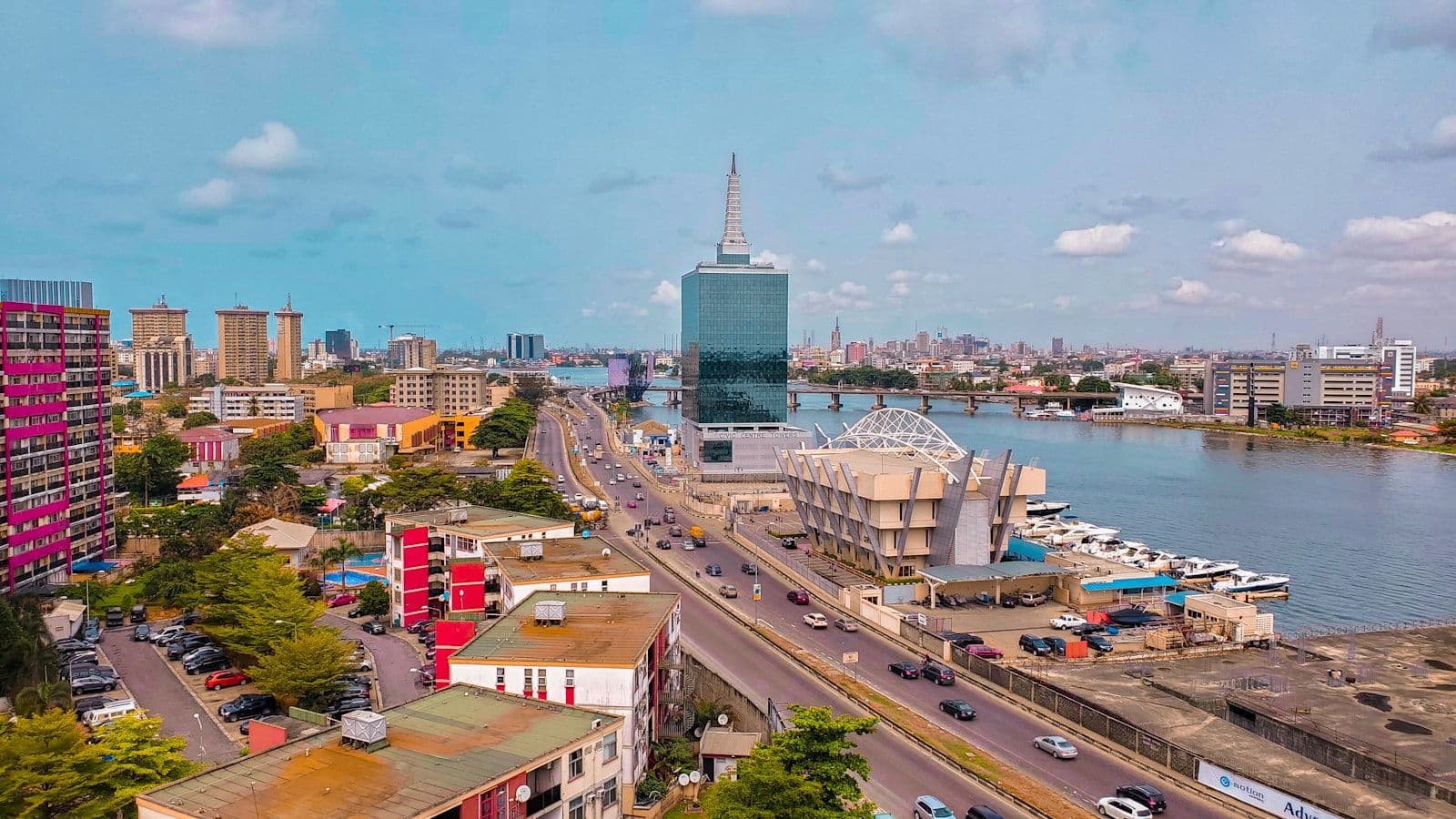
Lagos
Introduction Lagos, Nigeria’s largest city and economic powerhouse, is a vibrant and bustling metropolis that never sleeps. Known for its dynamic energy, rich cultural scene, and stunning Atlantic coastline, Lagos is a city of contrasts where traditio
Introduction
How to Get There
Weather Overview
- Spring (March to May):Transitioning from dry to wet season, expect warm temperatures with increasing humidity and occasional showers.
- Summer (June to August):The peak of the wet season, with heavy rainfall and cooler temperatures. It’s the greenest time of year.
- Fall (September to November):The end of the wet season and the start of the dry season, with warm temperatures and decreasing rainfall.
- Winter (December to February):The dry season, characterized by Harmattan winds bringing dry and dusty conditions. Temperatures are warm and the skies are clear.
Best Time to Go
Top Things to Do
- Lekki Conservation CentreExplore one of the last remaining natural habitats in Lagos at Lekki Conservation Centre. Walk along the canopy walkway and spot monkeys, birds, and other wildlife.
- Nike Art GalleryVisit Nigeria’s largest art gallery, featuring a stunning collection of contemporary and traditional African art. The gallery is a must-see for art lovers and offers insights into Nigerian culture.
- Tarkwa Bay BeachEscape the city’s hustle and bustle at Tarkwa Bay, a serene beach accessible by boat. It’s a popular spot for swimming, sunbathing, and surfing.
- National Museum LagosLearn about Nigeria’s rich history and cultural heritage at the National Museum, which houses artifacts from various ethnic groups and periods of Nigerian history.
- Freedom ParkOnce a colonial-era prison, Freedom Park is now a vibrant cultural center and public space. It’s a great place to relax, attend concerts, and explore the history of Nigeria’s independence.
Foods to Eat
- Jollof RiceA beloved West African dish, Jollof Rice is a flavorful rice dish cooked in tomato sauce and served with fried plantains, chicken, or fish. Try it at local spots like Yellow Chilli or Terra Kulture.
- Pounded Yam and Egusi SoupA traditional Nigerian dish, pounded yam is served with a rich, savory Egusi soup made from ground melon seeds. It’s a must-try for a taste of authentic Nigerian cuisine.
- SuyaSuya is a popular street food in Lagos, consisting of spicy grilled meat skewers. You can find it at roadside stalls and suya spots across the city.
- Pepper SoupA spicy and aromatic soup made with fish or meat, pepper soup is a Nigerian favorite, often enjoyed as a starter or a late-night snack. It’s available in most local restaurants.
- AkaraThese deep-fried bean cakes are a popular breakfast item in Lagos. Crispy on the outside and soft on the inside, akara is best enjoyed with bread or pap (a cornmeal porridge).
Cultural Tips for Tourists
- Local Customs and EtiquetteLagosians are known for their friendliness and hospitality. It’s customary to greet people with a handshake and a warm smile. Respect for elders is important, and it’s polite to address older people as “Sir” or “Ma.”
- Language TipsEnglish is the official language of Nigeria, but Lagos is a melting pot of cultures with many local languages spoken, including Yoruba. Learning a few Yoruba phrases like “Bawo ni” (How are you?) can enhance your interactions with locals.
- Haggling and ShoppingHaggling is a common practice in Lagos markets, so don’t be afraid to negotiate prices. Markets like Balogun Market and Lekki Arts and Crafts Market are great places to practice your bargaining skills.
- Religious and Cultural ObservancesLagos is a city of diverse religions, with Christianity and Islam being the most practiced. Be respectful of religious customs, particularly during Ramadan for Muslims, and avoid public displays of affection in conservative areas.
- Tipping PracticesTipping is appreciated in Lagos, especially in restaurants, where 10-15% of the bill is customary. Small tips for services like taxi rides, porters, and hotel staff are also common.
Travel Tips from Locals
- Hidden GemsExplore the Lagos Lagoon by taking a boat tour to nearby islands like Ilashe Beach or Tarkwa Bay for a peaceful retreat from the city.
- Best Times to Visit Popular SpotsVisit Lekki Conservation Centre early in the morning to enjoy the serenity and have a better chance of spotting wildlife.
- Dining EtiquetteNigerians take pride in their food, and sharing a meal is a social activity. Don’t rush through your meal—take the time to enjoy the flavors and the company.
- Safety TipsLagos is generally safe, but it’s important to be cautious, especially in crowded areas. Avoid carrying large amounts of cash, and be aware of your surroundings, particularly at night.
- Navigating the CityTraffic in Lagos can be challenging, so plan your trips during off-peak hours if possible. Ride-sharing services like Uber and Bolt are reliable options for getting around the city.
Budget
- Hostel Stay:$40 - $80
- Hotel Stay:$100 - $250
- Meals:$5 - $15 per day
- Local Transportation:$10 - $25 per week
Weekend Plan
- Day 1:Start your day with a visit to Lekki Conservation Centre, followed by a trip to Nike Art Gallery. Spend the evening at Freedom Park, enjoying a cultural event or simply relaxing.
- Day 2:Visit the National Museum in the morning, then head to Tarkwa Bay for a relaxing afternoon at the beach. Enjoy a seafood dinner at one of the beachside restaurants.
- Day 3:Spend your final day shopping at Lekki Arts and Crafts Market, followed by a boat tour of the Lagos Lagoon. End your trip with a taste of Suya at a local spot.