Port Moresby
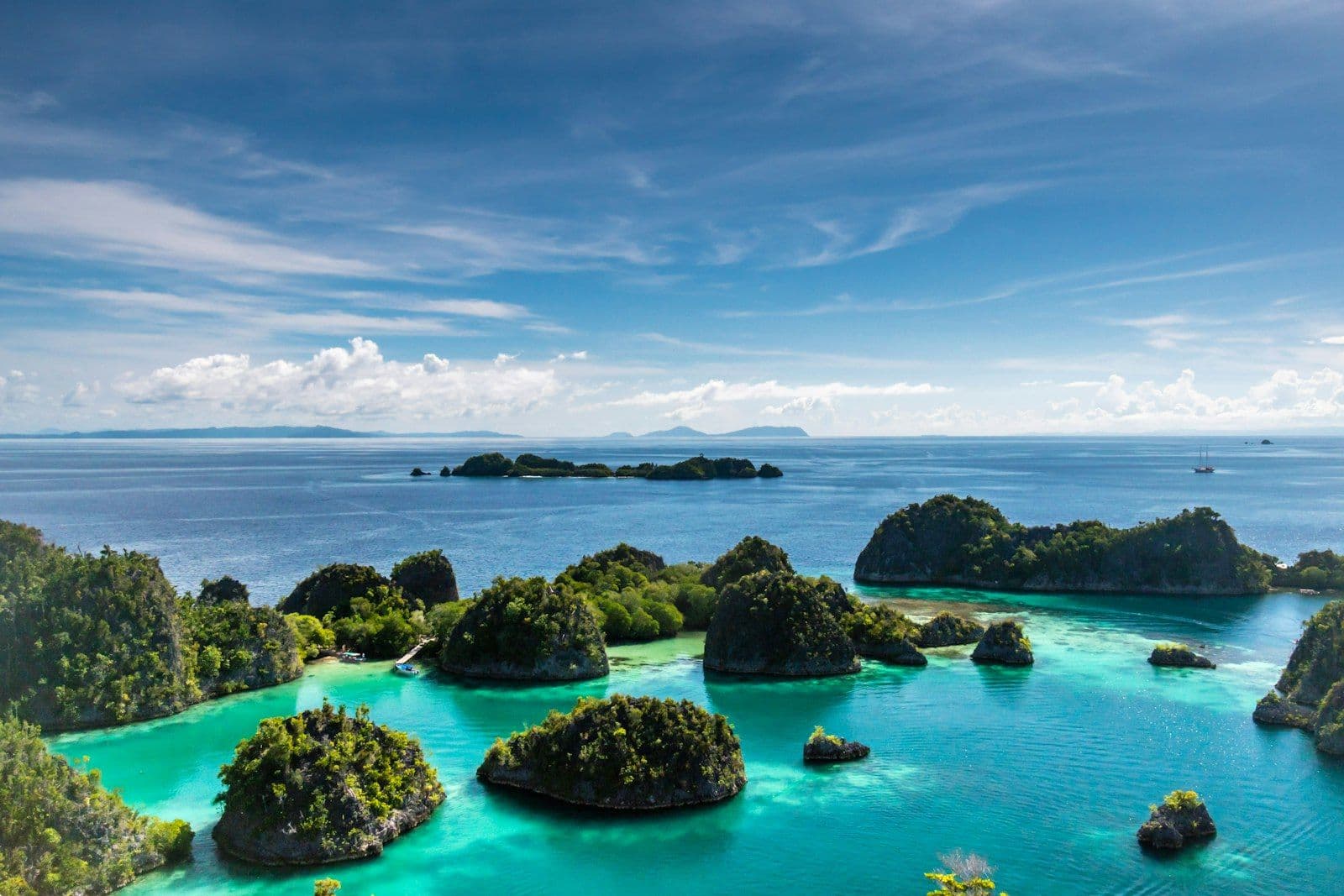
Introduction Port Moresby, the capital of Papua New Guinea, is a city rich in cultural diversity and natural beauty. As the gateway to the country’s vast and varied landscapes, Port Moresby offers a unique blend of traditional Melanesian culture and m
Introduction
How to Get There
Weather Overview
- Spring (September to November):Warm and dry, with temperatures ranging from 24°C to 30°C (75°F to 86°F). A pleasant time to visit before the wet season begins.
- Summer (December to February):Hot and humid, with increased rainfall. Temperatures can reach up to 32°C (90°F), and the wet season begins in earnest.
- Fall (March to May):Warm and humid, with decreasing rainfall as the wet season tapers off. Temperatures range from 25°C to 31°C (77°F to 88°F).
- Winter (June to August):The dry season, with cooler and less humid weather. This is the best time for outdoor activities, with temperatures ranging from 23°C to 29°C (73°F to 84°F).
Best Time to Go
Top Things to Do
- National Museum and Art GalleryDiscover the rich cultural heritage of Papua New Guinea at the National Museum and Art Gallery. The museum features exhibits on traditional art, archaeology, and natural history, providing an in-depth look at the country’s diverse cultures.
- Port Moresby Nature ParkThis beautiful park is home to a variety of native wildlife, including birds of paradise, tree kangaroos, and cassowaries. It’s a great place to learn about the region’s unique flora and fauna.
- Ela BeachEla Beach is the most popular beach in Port Moresby, offering a relaxing spot for swimming, sunbathing, and picnicking. The beach is also a venue for local events and cultural festivals.
- Bomana War CemeteryVisit the Bomana War Cemetery, a serene and well-maintained memorial to soldiers who fought in the Pacific during World War II. It’s a poignant reminder of the region’s history.
- Koki MarketExplore the bustling Koki Market, where you can find fresh produce, local crafts, and traditional food. It’s a vibrant place to experience the daily life of Port Moresby residents.
Foods to Eat
- MumuMumu is a traditional Papua New Guinean dish made by cooking meat, vegetables, and root crops in an earth oven. It’s a flavorful and hearty dish often served during special occasions.
- KaukauSweet potatoes, known locally as kaukau, are a staple in Papua New Guinea. They are typically roasted or boiled and served as a side dish with meat or fish.
- SaksakSaksak is a traditional dessert made from sago, coconut milk, and sugar, often wrapped in banana leaves and steamed. It’s a popular treat in Port Moresby.
- Coconut Fish CurryThis dish combines fresh fish with a rich coconut milk curry, seasoned with local spices. It’s a must-try for seafood lovers visiting Port Moresby.
- TaroTaro, a starchy root vegetable, is commonly eaten in Papua New Guinea. It’s often boiled or mashed and served with a variety of dishes, providing a nutritious and filling accompaniment.
Cultural Tips for Tourists
- Local Customs and EtiquettePapua New Guineans are known for their hospitality and respect for tradition. When visiting villages, it’s important to seek permission from local leaders before entering. Always greet people with a smile and a handshake.
- Language TipsWhile English is widely spoken in Port Moresby, Tok Pisin and Hiri Motu are also common languages. Learning a few basic phrases in Tok Pisin, such as “Gude” (hello) and “Tenkyu” (thank you), can enhance your interactions with locals.
- Haggling and ShoppingHaggling is common in markets like Koki Market, especially for handmade goods and souvenirs. Be respectful when negotiating prices and enjoy the process as part of the cultural experience.
- Religious and Cultural ObservancesChristianity is the predominant religion in Papua New Guinea, and Sundays are often reserved for church and family activities. Be mindful of local customs and dress modestly when visiting religious sites.
- Tipping PracticesTipping is not a common practice in Papua New Guinea, but it is appreciated for exceptional service in hotels and restaurants. A small tip for guides and drivers is also welcomed.
Travel Tips from Locals
- Hidden GemsExplore the Varirata National Park, located just outside Port Moresby. It offers hiking trails, picnic spots, and stunning views of the surrounding landscape. It’s a great spot for birdwatching, particularly for spotting birds of paradise.
- Best Times to Visit Popular SpotsVisit the National Museum and Art Gallery early in the day to avoid crowds and take your time exploring the exhibits.
- Dining EtiquetteMeals in Papua New Guinea are often communal, with an emphasis on sharing. It’s polite to wait for everyone to be served before starting your meal, and always thank your hosts with a “Tenkyu.”
- Safety TipsWhile Port Moresby has made strides in improving safety, it’s important to stay aware of your surroundings. Avoid walking alone at night, and stick to well-known areas and reputable transportation options.
- Navigating the CityPort Moresby is relatively spread out, so using taxis or arranged transport is often more convenient than walking. If you plan to explore beyond the city center, consider hiring a guide.
Budget
- Hostel Stay:$150 - $250
- Hotel Stay:$300 - $500
- Meals:$10 - $30 per day
- Local Transportation:$15 - $30 per week
Weekend Plan
- Day 1:Start your day with a visit to the National Museum and Art Gallery, followed by a walk through Port Moresby Nature Park. Spend the evening relaxing at Ela Beach and enjoying a seafood dinner.
- Day 2:Explore Koki Market in the morning, then visit the Bomana War Cemetery. In the afternoon, take a trip to Varirata National Park for hiking and birdwatching.
- Day 3:Spend your final day visiting local shops and cafes, or take a guided tour to nearby cultural sites. End your trip with a traditional meal at a local restaurant.