Roam Through Rome: A Journey of History, Art, and Timeless Charm
Introduction Step into a city where history and modern life seamlessly blend—welcome to Rome, the Eternal City! From the grandeur of the Colosseum to the charm of its cobbled streets, Rome is a treasure trove of art, history, and culture. Whether you’
Introduction
How to Get There
Weather Overview
- Summer:June to August is the hottest time, with temperatures reaching up to 30°C (86°F).
- Fall:September to November brings cooler, more comfortable temperatures around 15-25°C (59-77°F), perfect for outdoor activities.
- Winter:December to February is mild, with temperatures hovering around 8-15°C (46-59°F), and rain is more frequent.
- Spring:March to May is one of the best times to visit, with blooming flowers and pleasant weather around 15-22°C (59-72°F).
Best Time to Go
Top Things to Do
- The ColosseumA symbol of ancient Rome’s glory, the Colosseum is a must-see. Book tickets online to skip the long queues and consider a guided tour to fully immerse yourself in its bloody history of gladiators and emperors.
- The Vatican Museums & St. Peter’s BasilicaHome to the Sistine Chapel and Michelangelo’s masterpieces, the Vatican is an unparalleled cultural experience. Start your visit early in the morning to avoid crowds.
- The PantheonThis architectural wonder has stood the test of time. Its massive dome and open oculus are a sight to behold. Entry is free, and it's perfect for a quick visit between other landmarks.
- Trevi FountainToss a coin into this iconic fountain and ensure your return to Rome. Visit at night to witness the fountain illuminated—it’s magical and less crowded.
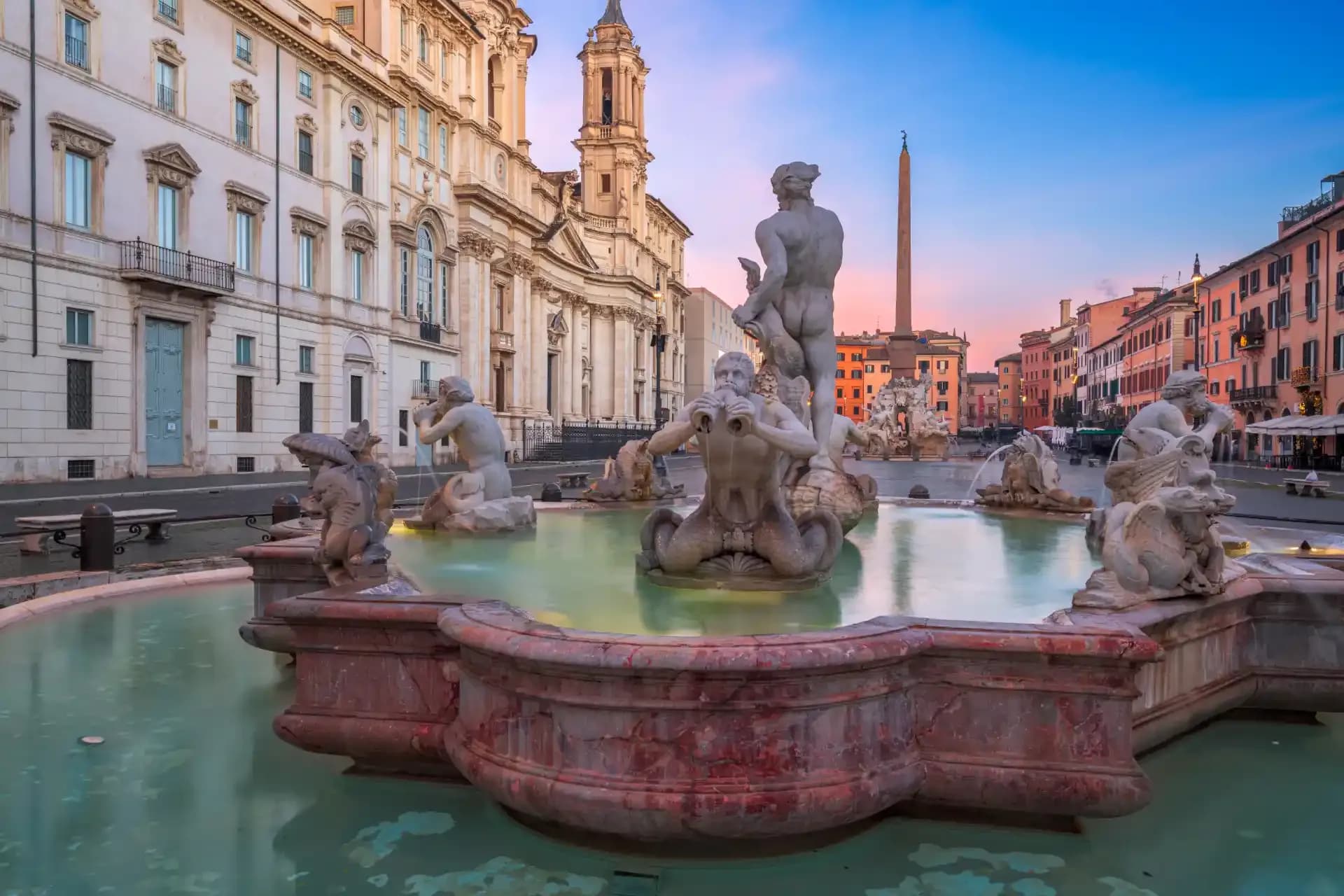
- Piazza NavonaThis bustling square is perfect for a leisurely afternoon. Enjoy gelato from one of the many cafés while admiring the famousFountain of the Four Rivers.
Foods to Eat
- CarbonaraRome’s iconic pasta dish made with eggs, cheese, pancetta, and pepper. Head toRosciolifor a mouthwatering plate.
- SupplìDeep-fried rice balls stuffed with mozzarella—a perfect street food snack! Try them atI Supplìin Trastevere.
- Pizza al TaglioThis Roman-style pizza is sold by the slice. Head toPizzariumfor an array of creative toppings.
- Artichokes alla RomanaA springtime delicacy, artichokes cooked Roman-style with garlic and herbs are best enjoyed atDa Enzo al 29.
- TiramisuEnd your meal with this classic dessert.Pompiis famous for serving the best in town.
Cultural Tips for Tourists
- Local Customs and EtiquetteWhen greeting, a simple "Buongiorno" or "Buonasera" is appreciated. Dress modestly when visiting churches, especially the Vatican.
- Language TipsWhile many Romans speak English, learning a few Italian phrases like "Grazie" (Thank you) or "Per favore" (Please) will go a long way.
- Haggling and ShoppingHaggling is not common in most shops, but feel free to bargain at local markets such asCampo de' Fiori.
- Religious and Cultural ObservancesRoman Catholicism plays a significant role in the city's culture. Be mindful during religious events and visit places like St. Peter’s Basilica respectfully.
- Tipping PracticesTipping is not mandatory but appreciated. A service charge is often included in the bill at restaurants, but leaving small change for good service is customary.
Travel Tips from Locals
- Hidden GemsVisit theAventine Keyhole, a secret spot that offers a perfectly framed view of St. Peter’s Dome.
- Best Times to Visit Popular SpotsBeat the crowds at the Vatican by visiting early in the morning or late in the afternoon.
- Dining EtiquetteIn Rome, dinner starts late—usually around 8 PM. Make sure to linger and enjoy your meal, as Italians take dining seriously.
- Safety TipsRome is generally safe, but watch out for pickpockets, especially in tourist-heavy areas.
- Navigating the CityWalk as much as possible to truly experience Rome. The public transportation system, including buses and the metro, is efficient and easy to use.
Budget
- Accommodation:Hostels from €20, hotels from €80 per night.
- Meals:Budget meals around €10, mid-range dining around €30 per meal.
- Transport:A metro pass for a week costs around €24.
Weekend Plan
- Morning:Visit the Colosseum and Roman Forum.
- Afternoon:Wander through the Vatican Museums and St. Peter’s Basilica.
- Evening:Enjoy a sunset walk along the Tiber River and dine at a local trattoria.
- Morning:Discover the Pantheon and Piazza Navona.
- Afternoon:Toss a coin at the Trevi Fountain and explore the Spanish Steps.
- Evening:Savor a late dinner in Trastevere, followed by a nightcap in a local bar.