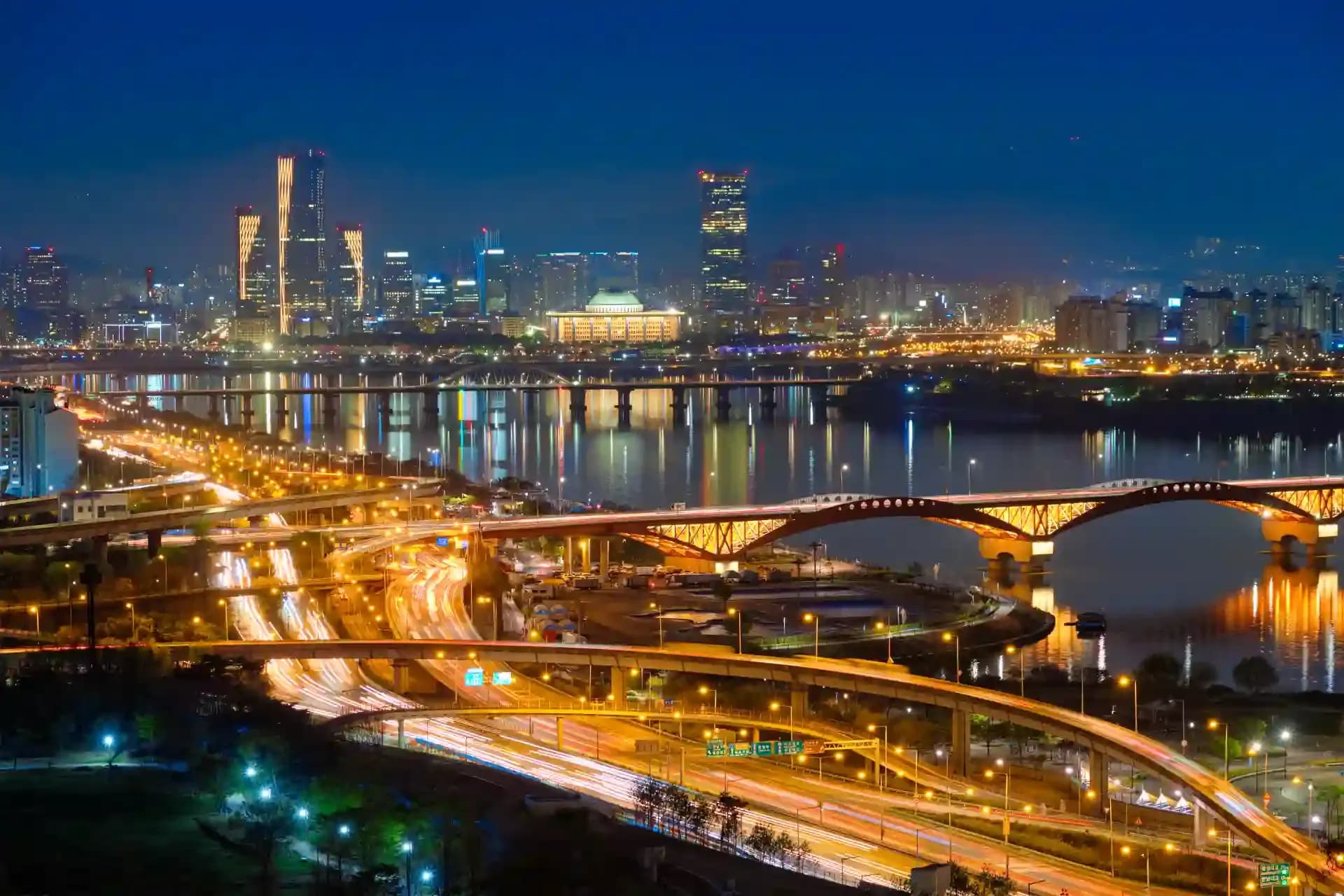
Seoul: Your Ultimate Travel Guide
Introduction Seoul, the vibrant capital of South Korea, is a city where ancient traditions meet cutting-edge technology. With its rich history, dynamic culture, and thriving food scene, Seoul is a city that never ceases to amaze. Whether you're wanderin
- Spring (March-May):Mild and pleasant, with temperatures between 10-20°C (50-68°F). Cherry blossoms bloom in April, making it a beautiful time to visit.
- Summer (June-August):Hot and humid, with temperatures around 25-30°C (77-86°F). The monsoon season occurs in July, bringing heavy rains.
- Autumn (September-November):Cool and dry, with temperatures between 10-20°C (50-68°F). The autumn foliage is stunning, particularly in late October.
- Winter (December-February):Cold and dry, with temperatures ranging from -5°C to 5°C (23-41°F). Snowfall is common, adding a picturesque charm to the city.
- Spring/Autumn:Light layers and comfortable walking shoes.
- Summer:Lightweight clothing, an umbrella, and sunscreen.
- Winter:Warm clothing, including a heavy coat, gloves, and a scarf.
- Seoul Lantern Festival:November, where hundreds of lanterns light up the Cheonggyecheon Stream.
- Cherry Blossom Festival:April, with various events across the city.
- Bosingak Bell-Ringing Ceremony:New Year's Eve, a traditional event in Jongno to ring in the new year.
- Gyeongbokgung PalaceVisit the largest of Seoul’s Five Grand Palaces, known for its beautiful architecture and the Changing of the Guard ceremony. Explore the National Palace Museum and the nearby Bukchon Hanok Village for a taste of traditional Korean culture.
- N Seoul TowerEnjoy panoramic views of the city from Namsan Seoul Tower, one of Seoul’s most iconic landmarks. Visit in the evening to see the city lights, and don’t forget to leave a love lock on the fence.
- Myeongdong Shopping StreetShop till you drop in Myeongdong, a bustling district famous for its street food, beauty products, and fashion. Be sure to try some local snacks like tteokbokki (spicy rice cakes) and hotteok (sweet pancakes).
- Changdeokgung Palace and Secret GardenExplore this UNESCO World Heritage Site, known for its stunning Secret Garden. The palace is a prime example of Korean architecture, harmoniously blending with the surrounding nature.
- Dongdaemun Design Plaza (DDP)Marvel at the futuristic architecture of the Dongdaemun Design Plaza, a cultural hub hosting exhibitions, fashion shows, and design markets. Visit at night to see the building illuminated with LED roses.
- BibimbapA colorful mixed rice dish topped with vegetables, meat, and a fried egg, Bibimbap is a must-try. Head to Gogung in Insadong for a delicious bowl of this Korean classic.
- KimchiA staple in Korean cuisine, Kimchi is fermented cabbage with a spicy kick. You’ll find it served as a side dish in almost every meal. Visit the Kimchi Museum in COEX to learn more about its history and varieties.
- Korean BBQGrill your own meat at a Korean BBQ restaurant. Try popular spots like Maple Tree House in Itaewon for a premium BBQ experience.
- TteokbokkiThese spicy rice cakes are a popular street food in Seoul. Visit the famous tteokbokki alley in Sindang-dong to sample this fiery dish.
- BingsuA refreshing dessert made of shaved ice topped with sweet toppings like red beans, fruit, or condensed milk. Try it at Sulbing, a popular dessert café chain.
- Local Customs and EtiquetteRespect Korean customs by bowing when greeting someone and using both hands when giving or receiving something. Remove your shoes when entering a traditional home or certain restaurants.
- Language TipsWhile English is taught in schools, not everyone speaks it fluently. Learning basic Korean phrases like "Annyeonghaseyo" (hello) and "Gamsahamnida" (thank you) will go a long way.
- Haggling and ShoppingHaggling is common in traditional markets like Namdaemun, but less so in stores and malls. Start with a lower offer and negotiate politely.
- Religious and Cultural ObservancesSouth Korea is predominantly Buddhist and Christian, with many temples and churches throughout the city. Respect religious practices, especially in temples, by maintaining silence and dressing modestly.
- Tipping PracticesTipping is not customary in South Korea, and service charges are usually included in the bill. However, tipping in upscale hotels or for exceptional service is appreciated.
- Hidden GemsVisit Ihwa Mural Village, a neighborhood filled with colorful street art and murals, offering a different perspective of Seoul’s creative scene.
- Best Times to Visit Popular SpotsTo avoid crowds at Gyeongbokgung Palace, visit early in the morning or late in the afternoon. Myeongdong is less busy during weekdays, especially in the late morning.
- Dining EtiquetteMeals are often shared, and it’s polite to wait for the eldest person to begin eating. Use chopsticks correctly and avoid sticking them upright in your rice, as it resembles a funeral ritual.
- Safety TipsSeoul is generally very safe, but it’s always wise to keep an eye on your belongings, especially in crowded areas. Use public transport apps like KakaoMap or Naver Map for easy navigation.
- Navigating the CityThe Seoul Metro is the best way to get around the city. Consider purchasing a T-money card for convenient access to all public transport options. Avoid traveling during rush hours to steer clear of the crowds.
- Morning:Start your day at Gyeongbokgung Palace, exploring the palace grounds and watching the Changing of the Guard ceremony. Afterward, take a stroll through Bukchon Hanok Village to admire the traditional Korean houses.
- Afternoon:Head to Insadong, a neighborhood known for its traditional tea houses, art galleries, and antique shops. Enjoy a leisurely lunch and some shopping before visiting Jogyesa Temple, a serene Buddhist temple in the heart of the city.
- Evening:Take the cable car up Namsan Mountain to N Seoul Tower for a stunning view of the city at sunset. Enjoy dinner at one of the tower’s restaurants or return to Myeongdong for street food and late-night shopping.
- Morning:Visit Changdeokgung Palace and take a guided tour of the Secret Garden. The peaceful garden is a highlight, especially during the autumn season.
- Afternoon:Explore the Dongdaemun Design Plaza (DDP), where you can visit exhibitions, shop for unique items, and admire the building’s futuristic architecture. Afterward, head to Dongdaemun Market for some shopping.
- Evening:End your day with a visit to the lively Hongdae district, known for its vibrant youth culture, street performances, and nightlife. Enjoy dinner at a Korean BBQ restaurant and experience the energetic atmosphere of the area.