Introduction
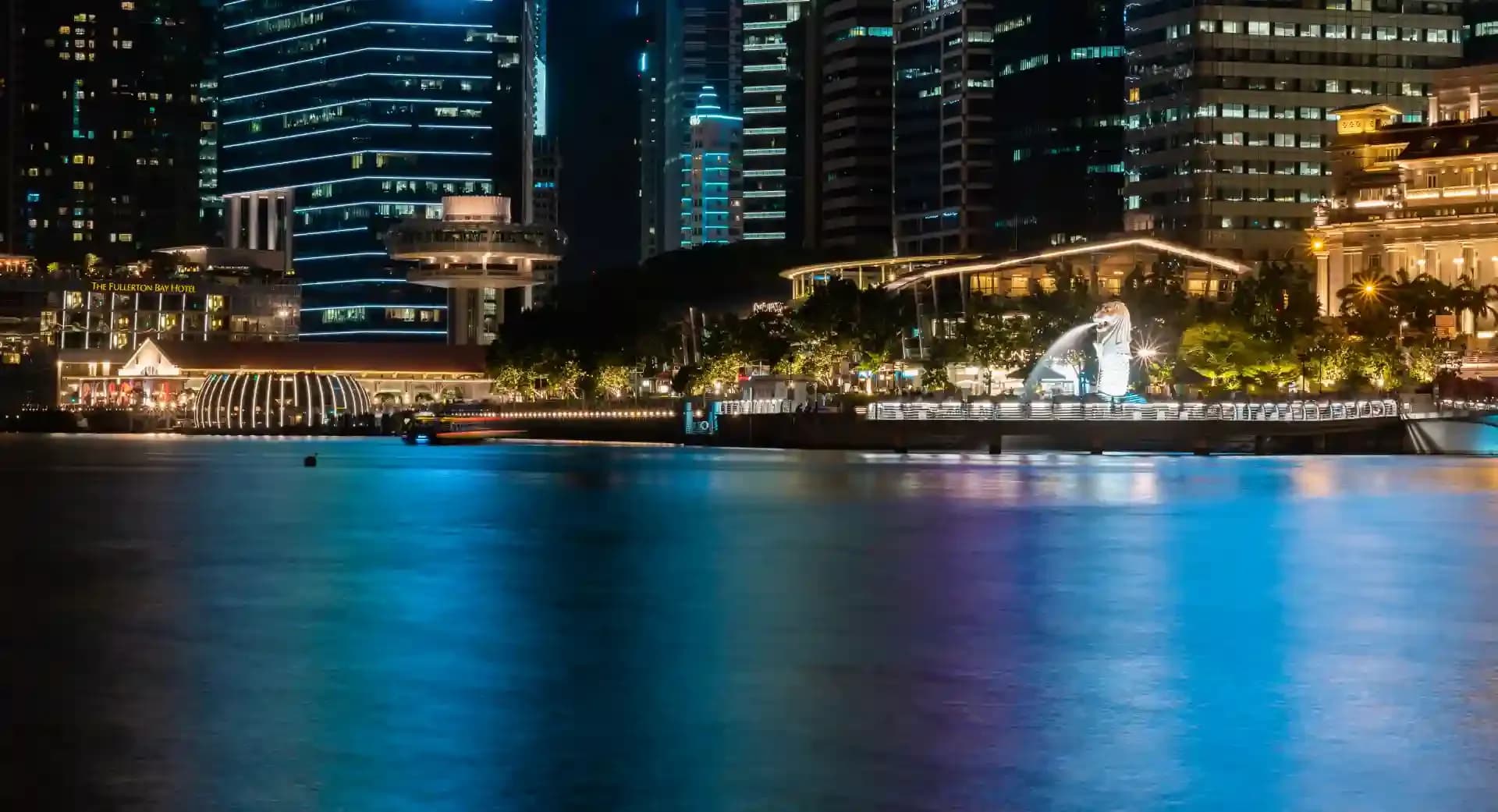
Singapore, a bustling metropolis and a melting pot of cultures, is a city where tradition meets modernity. Known for its clean streets, efficient public transport, and diverse culinary scene, Singapore offers a unique blend of experiences. Whether you’re exploring the futuristic Gardens by the Bay, shopping on Orchard Road, or savoring street food at a hawker center, Singapore is a must-visit destination for travelers.
How to Get There
Geographical Location:
Singapore is a city-state located at the southern tip of the Malay Peninsula, bordered by Malaysia to the north and the South China Sea to the south.
By Air:
Singapore is served by Changi Airport (SIN), one of the world’s best airports. Major airlines such as Singapore Airlines, Emirates, and Qantas offer direct flights from cities worldwide. Booking flights in advance, especially during peak seasons, will help you find the best deals.
By Train:
While there are no direct train services to Singapore from other countries, you can take a train to Johor Bahru in Malaysia and then cross the border by bus or taxi.
By Bus:
Express buses connect Singapore with various cities in Malaysia. The main bus terminals in Singapore are Golden Mile Complex and Queen Street Bus Terminal.
By Car:
Driving to Singapore is possible from Malaysia via the Johor-Singapore Causeway or the Second Link. Be prepared for customs checks and toll fees.
Local Transportation:
Singapore boasts an extensive and efficient public transportation system, including the MRT (Mass Rapid Transit), buses, and taxis. The MRT is the most convenient way to get around the city, with stations near most major attractions. Taxis are also widely available and relatively inexpensive.
Weather Overview
Climate:
Singapore experiences a tropical rainforest climate with consistent temperatures and high humidity year-round. Average temperatures range from 25°C (77°F) to 31°C (88°F).
Seasonal Weather:
- Dry Season (March-August): Less rainfall and slightly cooler temperatures, making it a great time to visit.
- Wet Season (September-February): Frequent rain showers and thunderstorms, but still warm and humid.
Packing Tips:
- Year-Round: Lightweight clothing, an umbrella, and sunscreen.
- Wet Season: Waterproof shoes and a light raincoat.
Best Time to Go
Peak Tourist Season:
- Dry Season (March to August): Ideal weather for outdoor activities and sightseeing.
Off-Peak Season:
- Wet Season (September to February): Fewer tourists and lower accommodation prices, but be prepared for rain.
Special Events:
- Chinese New Year: January or February, with vibrant celebrations and parades.
- Singapore Food Festival: July, showcasing the best of Singaporean cuisine.
- Formula 1 Singapore Grand Prix: September, a major event attracting visitors from around the world.
Top Things to Do
Marina Bay Sands:
Visit this iconic resort complex for its SkyPark, infinity pool, and stunning views of the city skyline. Don’t miss the nightly light and water show at Marina Bay.
Gardens by the Bay:
Explore this futuristic garden featuring the Supertree Grove, Cloud Forest, and Flower Dome. It’s a perfect blend of nature and technology.
Sentosa Island:
A popular resort island with attractions like Universal Studios Singapore, S.E.A. Aquarium, and beautiful beaches. Ideal for a day of fun and relaxation.
Chinatown:
Immerse yourself in the rich culture and history of Singapore’s Chinatown. Visit the Buddha Tooth Relic Temple, shop for souvenirs, and enjoy delicious street food.
Orchard Road:
Shop till you drop on this famous shopping street lined with malls, boutiques, and restaurants. It’s a paradise for shopaholics.
Foods to Eat
Hainanese Chicken Rice:
A simple yet flavorful dish of poached chicken and seasoned rice, often served with chili sauce and ginger paste. Try it at Tian Tian Hainanese Chicken Rice in Maxwell Food Centre.
Chilli Crab:
A must-try Singaporean dish featuring crab cooked in a tangy and spicy tomato-based sauce. Head to Jumbo Seafood for an authentic experience.
Laksa:
A spicy noodle soup with a rich coconut milk base, often topped with shrimp, chicken, or tofu. Katong Laksa is a popular spot to try this dish.
Satay:
Grilled skewers of meat served with a peanut dipping sauce. Lau Pa Sat is a great place to enjoy satay in a lively atmosphere.
Kaya Toast:
A traditional breakfast item consisting of toast spread with kaya (coconut jam) and butter, often served with soft-boiled eggs and coffee. Ya Kun Kaya Toast is a well-known chain for this treat.
Cultural Tips for Tourists
Local Customs and Etiquette:
Respect local customs by greeting people with a smile and using both hands when giving or receiving something. Remove your shoes when entering someone’s home.
Language Tips:
English is widely spoken, but learning basic phrases in Malay, Mandarin, or Tamil can be helpful and appreciated.
Haggling and Shopping:
Haggling is common in street markets but not in malls or stores. Negotiate politely and with a smile.
Religious and Cultural Observances:
Singapore is a multicultural society with various religious practices. Respect religious customs, especially in temples and mosques, by dressing modestly and maintaining silence.
Tipping Practices:
Tipping is not customary in Singapore, and service charges are usually included in the bill. However, tipping for exceptional service is appreciated.
Travel Tips from Locals
Hidden Gems:
Visit Kampong Glam, a vibrant neighborhood known for its colorful street art, boutique shops, and the stunning Sultan Mosque.
Best Times to Visit Popular Spots:
To avoid crowds at Gardens by the Bay, visit early in the morning or late in the afternoon. Orchard Road is less busy during weekdays, especially in the late morning.
Dining Etiquette:
Meals are often shared, and it’s polite to wait for the eldest person to begin eating. Use chopsticks correctly and avoid sticking them upright in your rice, as it resembles a funeral ritual.
Safety Tips:
Singapore is generally very safe, but it’s always wise to keep an eye on your belongings, especially in crowded areas. Use public transport apps like SG MRT or Grab for easy navigation.
Navigating the City:
The MRT is the best way to get around the city. Consider purchasing an EZ-Link card for convenient access to all public transport options. Avoid traveling during rush hours to steer clear of the crowds.
Budget
For budget travelers, a weekly stay in Singapore might cost around SGD 600-800, including hostel accommodation, street food, and public transport. For those seeking luxury, weekly expenses could range from SGD 2,000-3,000, covering stays in five-star hotels, fine dining, and private transportation.
Weekend Plan
Day 1:
- Morning: Start your day at Marina Bay Sands, exploring the SkyPark and enjoying the views. Afterward, visit Gardens by the Bay to see the Supertree Grove and Cloud Forest.
- Afternoon: Head to Chinatown for lunch and explore the Buddha Tooth Relic Temple and the bustling streets.
- Evening: Take a river cruise along the Singapore River to see the city lights and enjoy dinner at Clarke Quay.
Day 2:
- Morning: Visit Sentosa Island and spend the morning at Universal Studios Singapore or relax on the beach.
- Afternoon: Explore the S.E.A. Aquarium and enjoy lunch at one of the island’s many restaurants.
- Evening: Return to the city and visit Orchard Road for some shopping and dinner.
Conclusion
Singapore is a city that captivates visitors with its rich history, vibrant culture, and modern amenities. From exploring futuristic gardens and shopping in bustling districts to indulging in delicious local cuisine and experiencing the city’s dynamic nightlife, Singapore offers something for everyone. Whether you’re visiting for a weekend or an extended stay, this dynamic city will leave you with unforgettable memories. Start planning your trip to Singapore today and immerse yourself in the unique charm of this incredible city-state.
