Skip to content Skip to sidebar Skip to footer

Toronto Tapestry: Weaving Through the City’s Modern Marvels and Historic Charms

Introduction

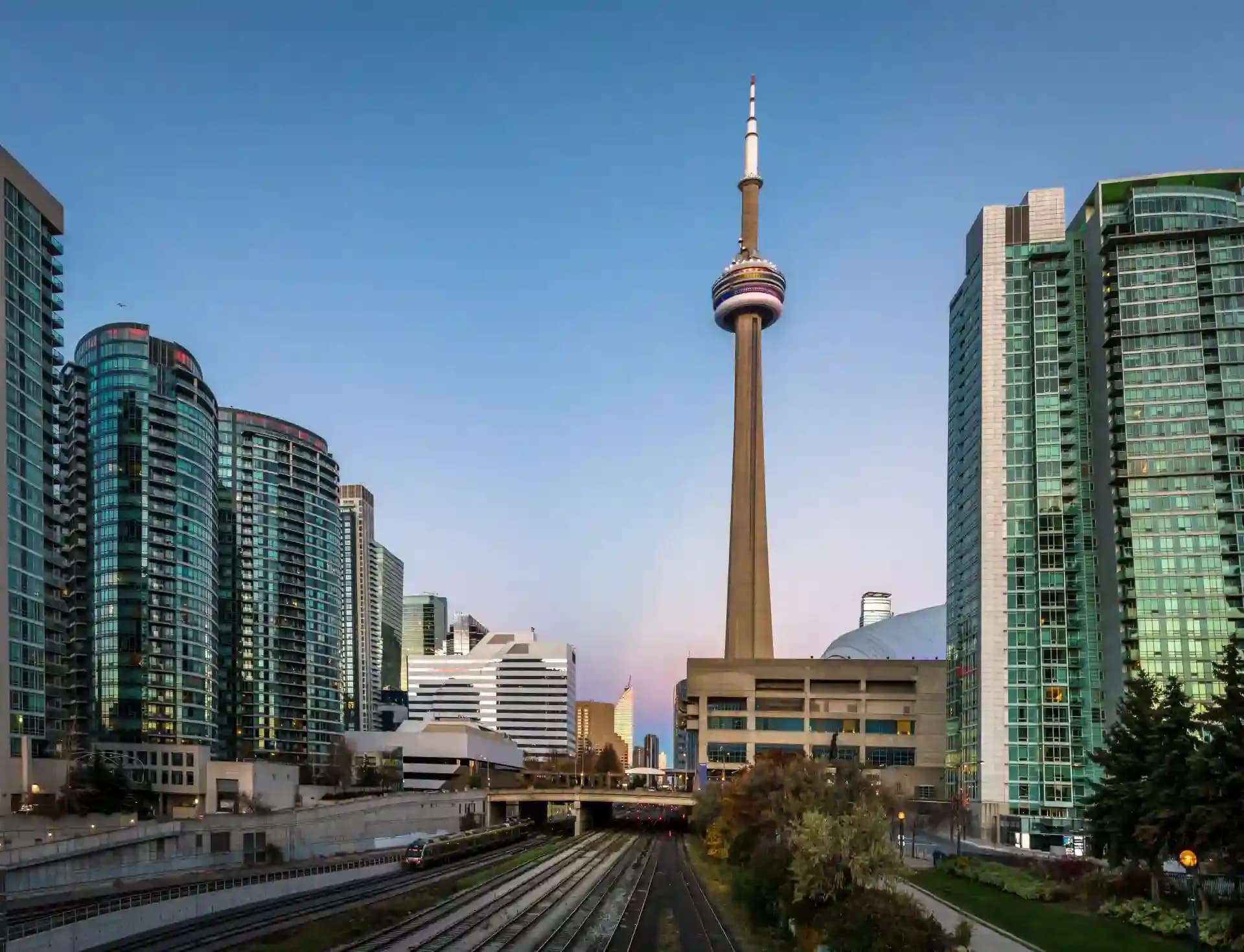
Toronto, the largest city in Canada, is a vibrant and multicultural metropolis that perfectly blends modernity with tradition. With iconic landmarks like the CN Tower, diverse neighborhoods, and a booming arts scene, Toronto is an international destination for travelers. Its cultural diversity makes it one of the most welcoming cities, offering everything from world-class cuisine to cutting-edge architecture. Whether you’re a history buff, a foodie, or a nature enthusiast, Toronto’s attractions ensure a memorable experience.

How to Get There

Geographical Location:
Toronto is located in the province of Ontario, nestled along the northwestern shore of Lake Ontario.

By Air:
Toronto Pearson International Airport (YYZ) is the city’s main gateway, offering flights from major airlines such as Air Canada, Delta, and American Airlines. Billy Bishop Toronto City Airport (YTZ), located closer to downtown, is a smaller airport offering regional flights with carriers like Porter Airlines. For the best deals, book your flights in advance and use comparison sites like Google Flights or Skyscanner.

By Train:
VIA Rail and GO Transit offer convenient train services into Toronto’s Union Station from major cities such as Montreal, Ottawa, and Niagara Falls. The ride is comfortable, and you’ll get to enjoy the scenic Canadian countryside.

By Bus:
Several bus companies, including Greyhound and Megabus, provide affordable travel to Toronto from cities like New York, Buffalo, and Detroit. Buses are a budget-friendly option, with routes that drop you close to downtown.

By Car:
Toronto is accessible via several major highways, including Highway 401 (Canada’s busiest highway) and the QEW. If you’re driving in from the U.S., you’ll cross the border at Niagara Falls or Buffalo. Road conditions are generally good, but traffic can be heavy during rush hour, so plan your route and timing accordingly.

Local Transportation:
Once in Toronto, getting around is easy. The Toronto Transit Commission (TTC) offers an extensive subway, streetcar, and bus network. Taxis and ride-sharing services like Uber are also widely available. For a more scenic experience, rent a bike or walk through Toronto’s vibrant neighborhoods.

Weather Overview

Climate:
Toronto experiences a humid continental climate, with hot summers and cold winters. Average temperatures range from -5°C (23°F) in January to 25°C (77°F) in July.

Seasonal Weather:

  • Spring: (March-May) Mild and pleasant with occasional rain. Temperatures range from 5°C to 15°C (41°F to 59°F).
  • Summer: (June-August) Hot and humid, with temperatures often reaching 30°C (86°F). Perfect for outdoor activities.
  • Fall: (September-November) Crisp, cool air with colorful foliage. Expect temperatures between 10°C and 20°C (50°F to 68°F).
  • Winter: (December-February) Cold, with frequent snow and temperatures averaging -5°C (23°F).

Packing Tips:
In spring and fall, pack layers and a waterproof jacket. For summer, bring lightweight clothes, sunscreen, and a hat. Winter visitors should be prepared with a heavy coat, gloves, and insulated boots.

Best Time to Go

Peak Tourist Season:
Summer (June to August) is the most popular time to visit, with warm weather and numerous festivals like Caribana and the Toronto International Film Festival (TIFF). However, expect higher prices and crowds.

Off-Peak Season:
Winter is the off-peak season, with fewer tourists. Although the weather is cold, this is a great time to explore indoor attractions like museums, and you can take advantage of lower hotel rates.

Shoulder Season:
Spring and fall offer milder weather, fewer crowds, and more affordable prices. The city’s parks and gardens are especially beautiful during these times.

Special Events:

  • Caribana (July-August): North America’s largest Caribbean festival.
  • TIFF (September): One of the most prestigious film festivals in the world.
  • Nuit Blanche (October): A nighttime arts festival showcasing installations across the city.

Top Things to Do

  1. CN Tower:
    Toronto’s iconic landmark offers breathtaking views of the city and Lake Ontario. Take the elevator to the top or dare to walk on the glass floor. For the adventurous, try the EdgeWalk.
  2. Royal Ontario Museum (ROM):
    One of the largest museums in North America, ROM offers fascinating exhibits on art, history, and world cultures. A must-visit for history buffs and families.
  3. Toronto Islands:
    A quick ferry ride from downtown, the islands offer beaches, biking, and picnic spots, providing a perfect escape from the city’s hustle and bustle.
  4. St. Lawrence Market:
    A food lover’s paradise, this historic market is home to artisanal vendors selling everything from fresh produce to handmade goods. Don’t miss the iconic peameal bacon sandwich.
  5. Distillery District:
    This charming neighborhood features cobblestone streets and Victorian-era buildings, now home to galleries, boutiques, and craft breweries.

Foods to Eat

  1. Peameal Bacon Sandwich:
    This local specialty is a must-try, especially from Carousel Bakery in St. Lawrence Market.
  2. Butter Tart:
    A classic Canadian dessert, these sweet tarts can be found at many local bakeries.
  3. Poutine:
    Originally from Quebec, this dish of fries topped with gravy and cheese curds is a Canadian staple. Try it at Smoke’s Poutinerie for an authentic experience.
  4. Toronto Street Hot Dogs:
    Found on almost every corner, these hot dogs are a favorite snack for both locals and tourists.
  5. Jerk Chicken:
    Reflecting Toronto’s Caribbean influence, jerk chicken can be found in many neighborhoods, with the best spots located in Little Jamaica.

Cultural Tips for Tourists

  1. Local Customs and Etiquette:
    Canadians are known for their politeness, so greet people with a smile, say “please” and “thank you,” and hold the door for others.
  2. Language Tips:
    English is the primary language, though you might hear French in some areas. Learning basic greetings like “hello” and “thank you” is appreciated.
  3. Haggling and Shopping:
    Haggling isn’t common in stores, but you can negotiate at flea markets or street vendors. For unique finds, head to Kensington Market.
  4. Religious and Cultural Observances:
    Toronto is home to a variety of religious and cultural communities. Be respectful of traditions, such as removing shoes before entering places of worship.
  5. Tipping Practices:
    Tipping is customary in restaurants (15-20%), taxis, and for services like haircuts.

Travel Tips from Locals

  1. Hidden Gems:
    Check out Evergreen Brick Works, a former quarry turned eco-friendly community hub, or Tommy Thompson Park, a nature reserve offering stunning views of Lake Ontario.
  2. Best Times to Visit Popular Spots:
    Visit the CN Tower early in the morning to avoid crowds or explore the Distillery District on weekdays for a quieter experience.
  3. Dining Etiquette:
    Toronto’s multicultural dining scene means meal times vary by cuisine, but most restaurants serve dinner from 6 to 10 PM.
  4. Safety Tips:
    Toronto is generally safe, but stay aware of your surroundings, especially at night in less busy areas.
  5. Navigating the City:
    Toronto is walkable, especially in the downtown core. The TTC subway and streetcar system is reliable, but avoid rush hour if possible.

Budget

For a week in Toronto, expect to spend an average of $100-$200 per day, depending on your accommodation and dining preferences. Hostels and budget hotels cost around $60-$120 per night, while mid-range hotels are $150-$250. Meals at casual restaurants range from $15-$25 per person, while public transportation costs around $13 per day (TTC day pass).

Weekend Plan

48-72 Hours in Toronto:

Day 1: A Towering Start and Island Escape Kick off your adventure by ascending the iconic CN Tower, where breathtaking views of Toronto’s skyline set the tone for an unforgettable trip. After soaking in the sights, head down to the vibrant waterfront for a leisurely stroll before boarding a ferry to the enchanting Toronto Islands. Here, you’ll enjoy a serene picnic surrounded by nature and stunning cityscapes. As evening falls, indulge in a delightful dinner in the charming Distillery District, with its cobblestone streets and historic charm.

Day 2: A Journey Through Culture and Cuisine Begin your second day by diving into history and culture at the Royal Ontario Museum, a treasure trove of fascinating exhibits. For lunch, make your way to the lively St. Lawrence Market, where local flavors await. Afterward, take a leisurely walk through the colorful and eclectic Kensington Market, filled with unique shops and street art. As night approaches, savor a mouthwatering dinner in bustling Chinatown, where the flavors are as diverse as the city itself.

Day 3: Shopping, Nature, and Farewell On your final day, immerse yourself in the trendy boutiques and art galleries of Queen Street West, the city’s creative hub. After satisfying your shopping cravings, retreat to the peaceful oasis of High Park, where you can unwind and reflect on your journey. End your trip on a high note before heading to the airport or train station, already planning your next visit to this dynamic city.

Conclusion

Toronto is a city that offers something for everyone—whether it’s the cultural diversity, historic sites, or exciting culinary scene. With its welcoming atmosphere and endless attractions, Toronto is a must-visit destination that guarantees an unforgettable experience. Start planning your trip today, and get ready to explore the heart of Canada.

Leave a Comment