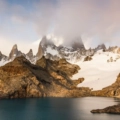
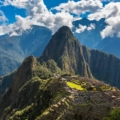
The Dinaric Alps, a breathtaking mountain range stretching across Southern Europe, offer some of the most untouched and stunning landscapes in Bosnia. Known for their dramatic peaks, lush valleys, and pristine rivers, the Dinaric Alps are a paradise for trekking enthusiasts seeking an authentic and less-traveled adventure.
Location
The Dinaric Alps run parallel to the Adriatic coast, with the Bosnian section covering much of the country’s western and southern regions. Key trekking areas include Prenj, Velež, Čvrsnica, and Bjelašnica mountains, each offering unique landscapes and challenges. These mountains are a part of the larger Dinarides, which extend from Slovenia to Albania, but the Bosnian section is particularly notable for its remote and wild terrain.
How to Get There
Reaching the Dinaric Alps is relatively straightforward. The most common gateway is Sarajevo, Bosnia’s capital, which is well-connected by international flights. From Sarajevo, you can reach various trekking spots by car or public transport. Renting a car is the most convenient option, allowing flexibility and access to remote trailheads. For those relying on public transport, buses connect Sarajevo with towns like Konjic, Mostar, and Jablanica, from where you can arrange local transport or guided tours to the mountains.
Best Time to Go
The best time to trek in the Dinaric Alps is from late spring to early autumn (May to October). During this period, the weather is generally mild, with temperatures ranging from 15°C to 25°C. In May and June, you’ll experience lush green landscapes, blooming wildflowers, and fewer crowds. July and August are warmer and more popular but offer the clearest skies. September and October provide cooler temperatures and stunning autumn foliage, making it an ideal time for those seeking solitude.
What to Pack
When trekking in the Dinaric Alps, packing the right gear is crucial. Here’s a basic checklist:
- Clothing: Layered clothing, including moisture-wicking base layers, a warm fleece or down jacket, waterproof and windproof outer layers, and a hat and gloves for higher altitudes.
- Footwear: Sturdy, waterproof hiking boots with good ankle support.
- Navigation: A detailed map, compass, and GPS device or app.
- Safety Gear: First aid kit, headlamp, whistle, and a multi-tool.
- Other Essentials: Sunscreen, sunglasses, a water bottle or hydration system, snacks, and trekking poles.
How Long to Plan For
The length of your trekking trip in the Dinaric Alps depends on your itinerary and fitness level. For a comprehensive experience, plan for at least 5 to 7 days. This allows you to explore multiple mountain ranges and take in the diverse landscapes. For those short on time, a 3-day trek focusing on a single area like Prenj or Bjelašnica can still be incredibly rewarding.
Where to Stay
Accommodation options in the Dinaric Alps range from mountain huts (locally known as “planinarski dom”) and eco-lodges to guesthouses in nearby towns. Popular huts like Jezerce on Prenj and Vilinac on Čvrsnica offer basic but cozy facilities with dormitory-style beds and communal areas. Booking in advance is recommended, especially during the peak trekking season. For those who prefer more comfort, staying in a guesthouse in towns like Konjic or Mostar and taking day trips to the mountains is an excellent option.
Average Price
Trekking in the Dinaric Alps is relatively affordable compared to other European destinations. Accommodation in mountain huts typically costs between €10 to €20 per night, while guesthouses range from €30 to €60 per night. Guided tours, including transport, meals, and accommodation, can cost around €100 to €150 per day. Self-guided treks are more economical, with daily expenses ranging from €30 to €50, depending on your choices for food and lodging.
What Makes Each Location Unique
- Prenj: Often called the “Herzegovinian Himalayas,” Prenj is famous for its jagged peaks, deep valleys, and stunning views. It’s a favorite among experienced trekkers seeking challenging routes.
- Čvrsnica: Home to the iconic Hajdučka Vrata, a natural stone arch, and the stunning Diva Grabovica valley, Čvrsnica offers a mix of dramatic landscapes and more accessible trails.
- Bjelašnica: Known for its rich history and the 1984 Winter Olympics, Bjelašnica combines cultural heritage with beautiful mountain scenery. It’s also one of the most accessible trekking areas from Sarajevo.
- Velež: Less crowded than its counterparts, Velež provides a more secluded trekking experience with breathtaking views of the Neretva River and the surrounding valleys.
Conclusion
Trekking in the Dinaric Alps is a journey into Bosnia’s wild heart, offering a mix of adventure, natural beauty, and cultural discovery. Whether you’re an experienced trekker or a beginner looking for a challenge, the Dinaric Alps have something to offer. With its affordability, stunning landscapes, and rich history, this region should be on every adventurer’s bucket list.