Skip to content Skip to sidebar Skip to footer

Explore Alaska’s Untamed Beauty: Your Ultimate Guide to a Scenic Cruise Adventure

Introduction

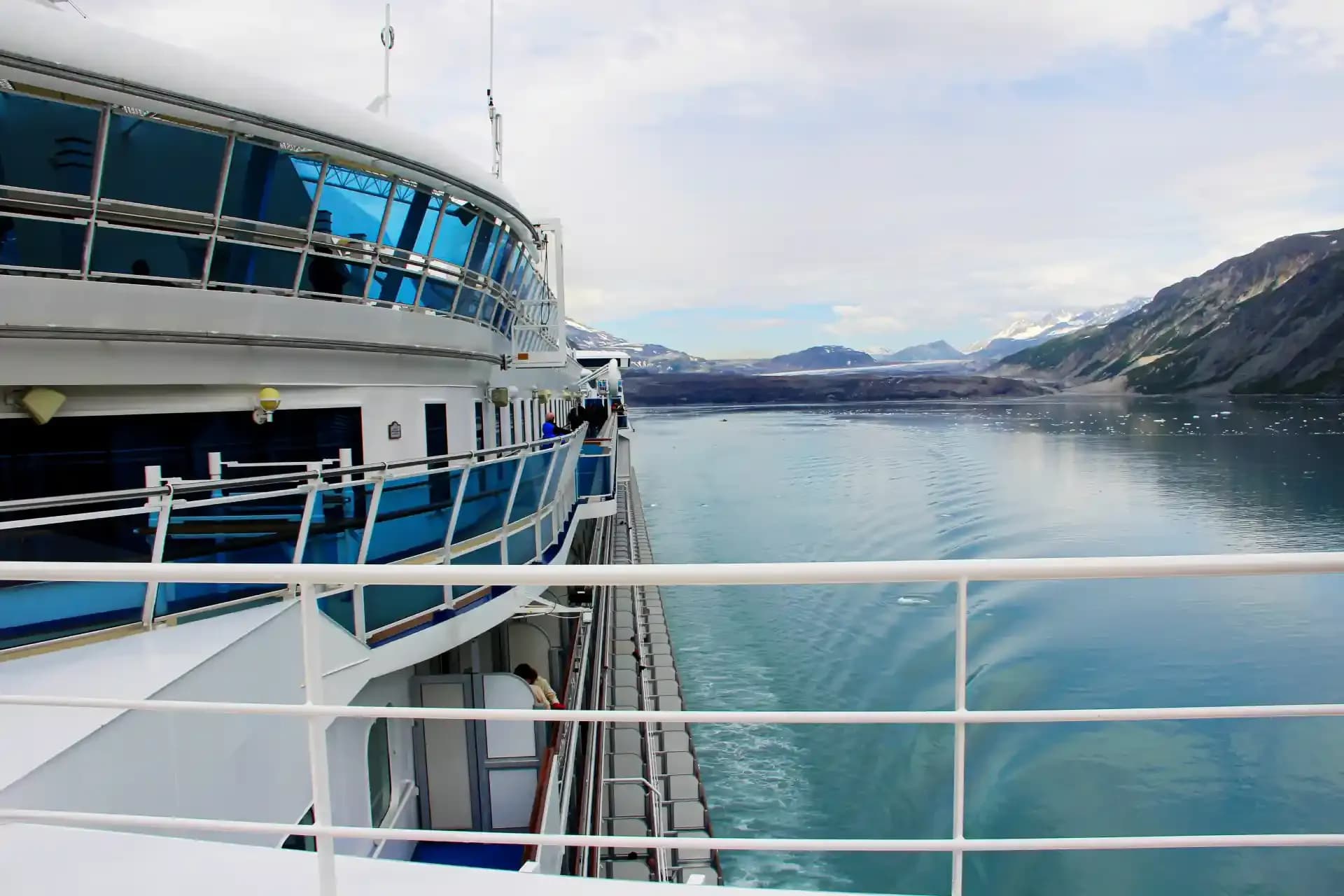
Imagine waking up to the sight of towering glaciers, snow-capped mountains, and vibrant wildlife as your ship glides through the serene waters of Alaska. A scenic cruise to Alaska offers more than just breathtaking views; it’s an immersive experience that connects you with nature’s raw beauty and the rich culture of America’s Last Frontier. Whether you’re seeking adventure, relaxation, or a bit of both, an Alaskan cruise promises an unforgettable journey. Let’s explore how to make the most of this incredible voyage.

Location

Alaska, the largest and one of the most sparsely populated states in the U.S., is known for its rugged landscapes, abundant wildlife, and stunning coastlines. The scenic cruise typically begins in major port cities such as Seattle, Vancouver, or Anchorage and takes you along the Inside Passage, Glacier Bay, or the Gulf of Alaska.

How to Get There

The easiest way to start your Alaskan cruise is by flying into one of the major departure ports like Seattle, Washington, or Vancouver, Canada. These cities are well-connected with direct flights from many international and domestic airports. If you’re starting your journey in Alaska, you can fly into Anchorage or Juneau. From these ports, you’ll embark on a cruise ship operated by one of the major cruise lines, such as Royal Caribbean, Princess Cruises, or Norwegian Cruise Line.

Best Time to Go/Weather

The Alaskan cruise season runs from late May to early September, with the peak months being June, July, and August. During this period, the weather is relatively mild, with temperatures ranging from 50°F to 70°F (10°C to 21°C). June and July offer the longest daylight hours, perfect for sightseeing and wildlife viewing. September is ideal if you prefer fewer crowds and want to witness the changing foliage.

What to Bring/What to Pack

Packing for an Alaskan cruise requires some thoughtful planning due to the variable weather conditions. Here’s what you’ll need:

  • Layered Clothing: Temperatures can vary greatly, so pack lightweight layers that you can add or remove as needed.
  • Waterproof Jacket: Essential for rainy days and excursions near glaciers.
  • Sturdy Footwear: Comfortable walking shoes and waterproof boots for shore excursions.
  • Binoculars: For spotting wildlife such as whales, eagles, and bears.
  • Camera: Capture the stunning landscapes and unforgettable moments.
  • Sunscreen and Sunglasses: The sun can be surprisingly strong, especially reflecting off the water and glaciers.
  • Swimwear: Don’t forget your swimsuit for onboard pools or hot tubs.

How Long to Plan For

Most Alaskan cruises range from 7 to 14 days. A 7-day cruise typically covers the Inside Passage, including popular stops like Juneau, where you can explore the stunning Mendenhall Glacier or go whale watching; Ketchikan, known for its totem poles and salmon fishing; and Skagway, where you can take a scenic ride on the White Pass and Yukon Route Railway or relive the Klondike Gold Rush era. Longer cruises might include additional ports like Sitka, where you can experience a blend of Native Alaskan and Russian culture, or venture deeper into the Gulf of Alaska, offering more time to kayak among towering glaciers, hike in pristine national parks, and visit remote villages to learn about traditional Alaskan life.

Where to Stay

While most of your nights will be spent on the cruise ship, you might consider spending a night or two in the departure or arrival cities to explore local attractions. In Seattle, you could stay at the Edgewater Hotel, known for its stunning views of Puget Sound. In Vancouver, the Fairmont Pacific Rim offers luxury with a view of the harbor. If starting in Anchorage, the Hotel Captain Cook provides a cozy and comfortable stay with a touch of Alaskan charm.

Average Price

The cost of an Alaskan cruise can vary depending on the cruise line, itinerary, and cabin choice. On average:

  • Inside Cabin: $700 – $1,200 per person
  • Oceanview Cabin: $1,000 – $1,800 per person
  • Balcony Cabin: $1,500 – $2,500 per person
  • Suite: $2,500 – $5,000+ per person

These prices usually include meals, accommodations, and basic onboard entertainment. Additional costs may include shore excursions, specialty dining, and gratuities.

What Makes Each Location Unique

Juneau: Alaska’s capital is known for the Mendenhall Glacier and whale-watching opportunities. Travelers can also take a ride on the Mount Roberts Tramway for panoramic views of the city or explore the Alaska State Museum to dive into the region’s rich history. The combination of rich history, vibrant culture, and stunning natural beauty makes Juneau a must-visit.

Ketchikan: Dubbed the “Salmon Capital of the World,” Ketchikan is famous for its totem poles, the Misty Fjords National Monument, and its rich Native Alaskan culture. Visitors can also take a boat tour through the Misty Fjords for breathtaking views of waterfalls and wildlife or explore Creek Street, a historic boardwalk lined with colorful buildings that once housed the town’s red-light district.

Skagway: This historic town offers a glimpse into the Klondike Gold Rush era. The White Pass and Yukon Route Railway is a highlight, taking you on a scenic journey through rugged mountains and breathtaking landscapes. In addition to the railway, travelers can hike the Chilkoot Trail, a historic route used by gold seekers, or visit the Skagway Museum to learn more about the town’s vibrant past.

Glacier Bay: A UNESCO World Heritage Site, Glacier Bay is a paradise for nature lovers. The sight of massive glaciers calving into the sea is both awe-inspiring and humbling. Visitors can also take a guided kayak tour to get up close with the glaciers, or join a ranger-led program to learn about the area’s unique ecosystem and wildlife, including seals, sea otters, and bald eagles.

Sitka: Known for its blend of Native Tlingit culture and Russian heritage, Sitka offers stunning views, wildlife encounters, and historical sites like the Sitka National Historical Park. Travelers can also visit the Russian Bishop’s House, one of the few remaining examples of Russian colonial architecture in North America, or take a boat tour to see sea otters, whales, and other marine life up close.

Conclusion

An Alaskan scenic cruise is more than just a vacation; it’s an adventure that will leave you with memories to last a lifetime. From the majestic glaciers to the rich history and culture, every moment on this journey is a reminder of the natural beauty that Alaska has to offer. So pack your bags, set sail, and get ready to discover the breathtaking beauty of Alaska from the comfort of a cruise ship.

Leave a Comment