
Sail Through Asia: Discover the Magic of Iconic Cities on an Exotic Cruise Adventure
Introduction Picture this: a journey where ancient traditions blend effortlessly with modern wonders, and each port reveals something new and exciting. On an Asian cruise, you'll sail through a world of vibrant markets, peaceful temples, and stunning landsca
Location
- Southeast Asia: Singapore, Bangkok, and Ho Chi Minh City.
- East Asia: Tokyo, Kyoto, and Shanghai.
- South Asia: Mumbai, Colombo, and the Maldives.
- Islands of Southeast Asia: Bali, Phuket, and Langkawi.
How to Get There
- Singapore: Changi Airport (SIN) is one of the busiest and best-connected airports in the world, with flights from every major continent.
- Tokyo: Haneda Airport (HND) and Narita Airport (NRT) serve as major hubs for flights from North America, Europe, and other parts of Asia.
- Bangkok: Suvarnabhumi Airport (BKK) offers numerous international flights, connecting travelers to all corners of the globe.
- Mumbai: Chhatrapati Shivaji Maharaj International Airport (BOM) is a major gateway to South Asia, with flights from Europe, the Middle East, and beyond.
Best Time to Go/Weather
- Southeast Asia: November to February is ideal, offering cooler temperatures and drier weather, perfect for exploring cities and beaches.
- East Asia: Spring (March to May) and autumn (September to November) are the best times, with mild weather and beautiful cherry blossoms or autumn foliage.
- South Asia: October to March is the best time to cruise, avoiding the monsoon season and offering pleasant temperatures.
- Islands of Southeast Asia: December to April is perfect for island hopping, with sunny skies and warm temperatures.
What to Bring/What to Pack
- Lightweight, Breathable Clothing: The tropical climates of Southeast Asia and the islands call for cool, comfortable attire.
- Modest Attire: When visiting temples and religious sites, it’s important to dress modestly, with shoulders and knees covered.
- Comfortable Walking Shoes: Essential for exploring cities, temples, and natural sites.
- Swimwear: For the beaches and onboard pools.
- Sunscreen, Hat, and Sunglasses: To protect yourself from the strong tropical sun.
- Travel Adapter: Many Asian countries use different types of electrical outlets.
- Reusable Water Bottle: Stay hydrated while exploring.
How Long to Plan For
Where to Stay
- Singapore: The Marina Bay Sands offers luxury accommodations with stunning views of the city skyline and access to the famous rooftop infinity pool.
- Tokyo: The Ritz-Carlton Tokyo provides elegant rooms with panoramic views of the city and Mount Fuji.
- Bangkok: The Mandarin Oriental Bangkok offers a blend of Thai elegance and modern luxury along the Chao Phraya River.
- Mumbai: The Taj Mahal Palace is an iconic hotel offering luxurious rooms and historic charm in the heart of the city.
Average Price
- Interior Cabin: $1,000 - $2,500 per person for a 7-day cruise.
- Oceanview Cabin: $1,500 - $3,500 per person for a 7-day cruise.
- Balcony Cabin: $2,000 - $5,000 per person for a 7-day cruise.
- Suite: $3,500 - $8,000+ per person for a 7-day cruise.
What Makes Each Location Unique
Conclusion
You Might Also Like
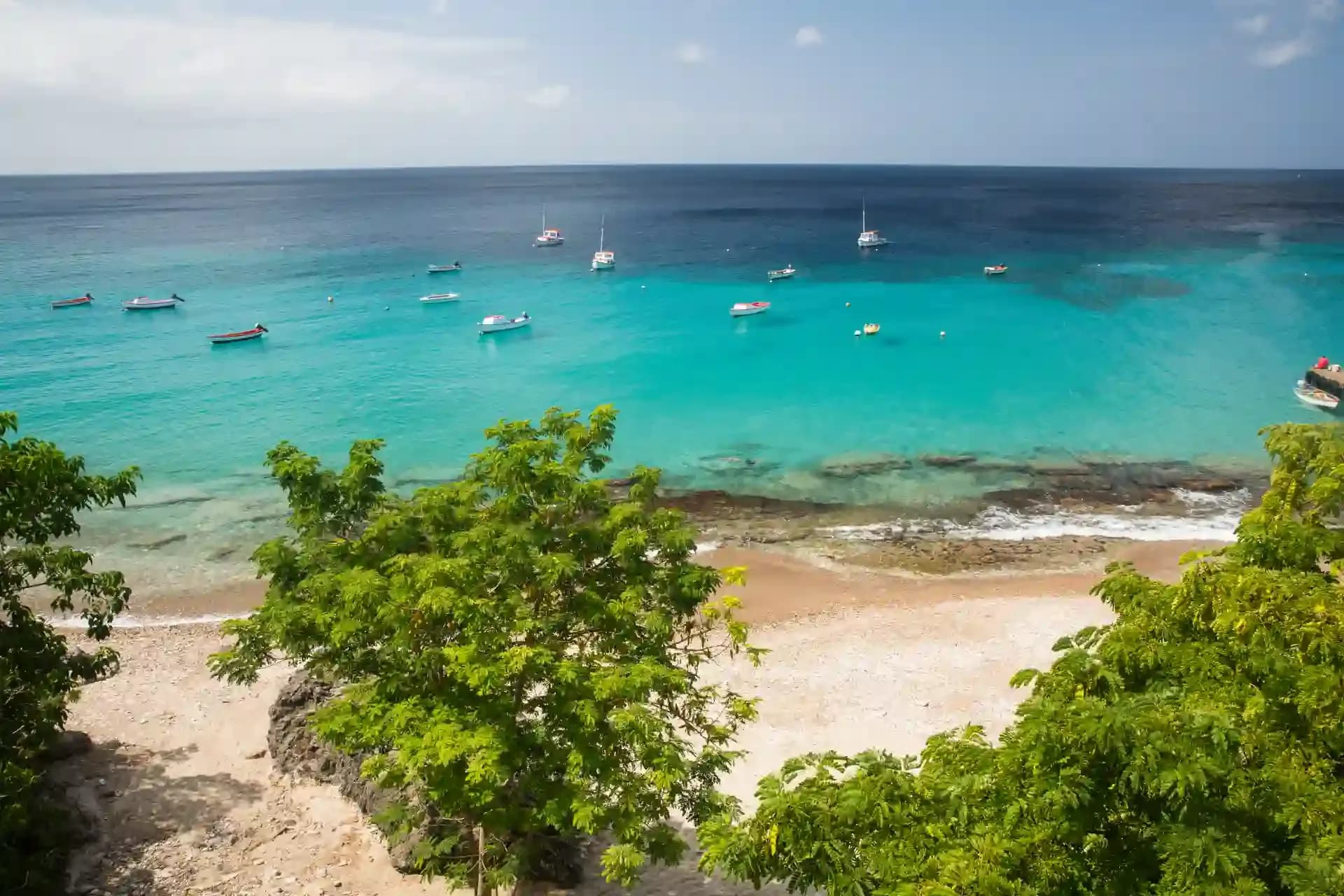
Unveil Paradise: Top Caribbean Cruise Destinations You Can’t Miss
Introduction Set sail on a Caribbean cruise and immerse yourself in the paradise of sun-kissed beaches, turquoise waters, and vibrant cultures. Whether you’re dreaming of exploring lush islands, diving into crystal-clear waters, or simply relaxing in lu
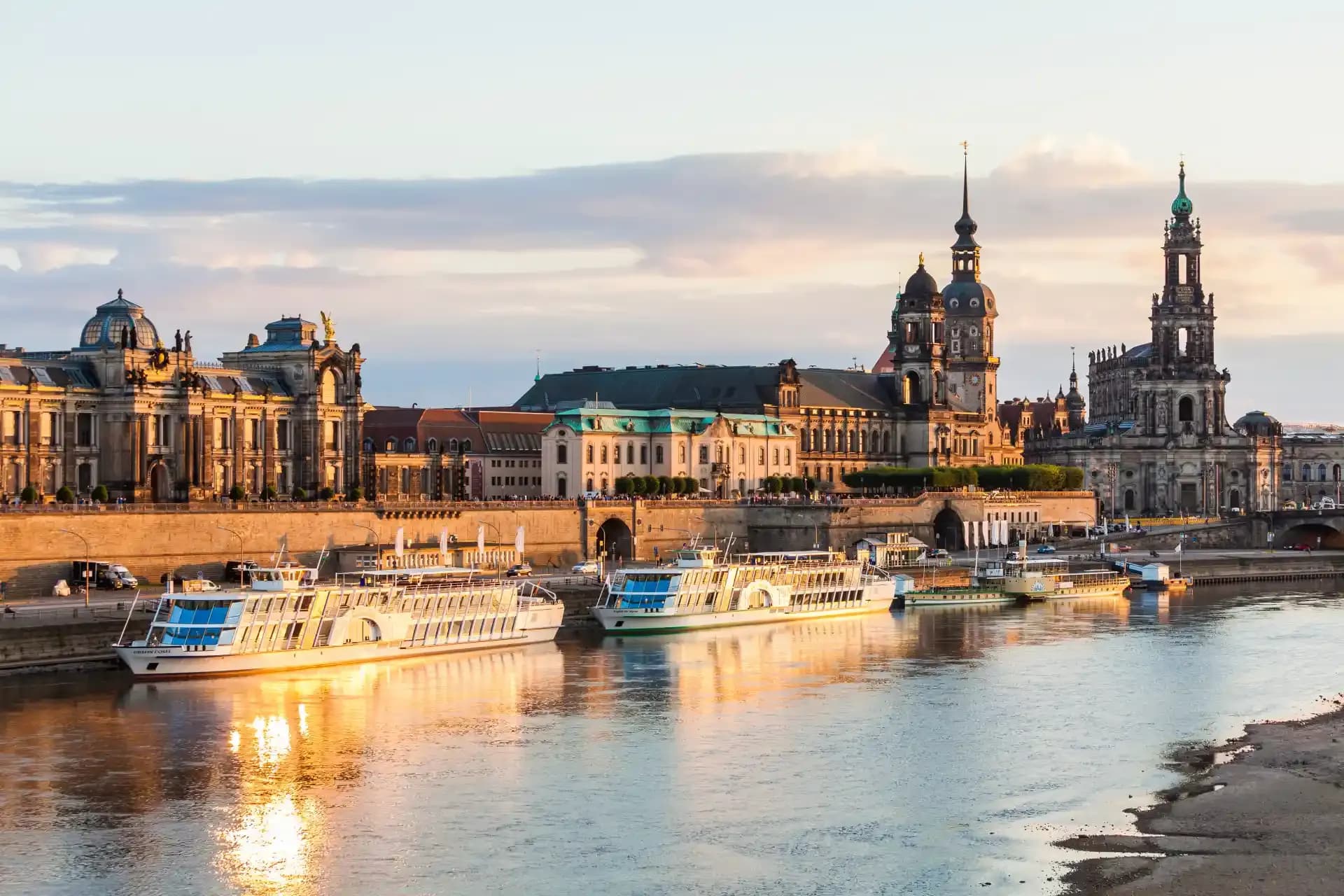
Uncover the Heart of Europe: A Luxurious River Cruise Through Timeless Cities
Introduction Close your eyes and picture yourself aboard a luxurious river cruise ship, where the gentle lapping of water against the hull is the soundtrack to your journey. As you sip a glass of fine wine on your private balcony, centuries-old castles appea
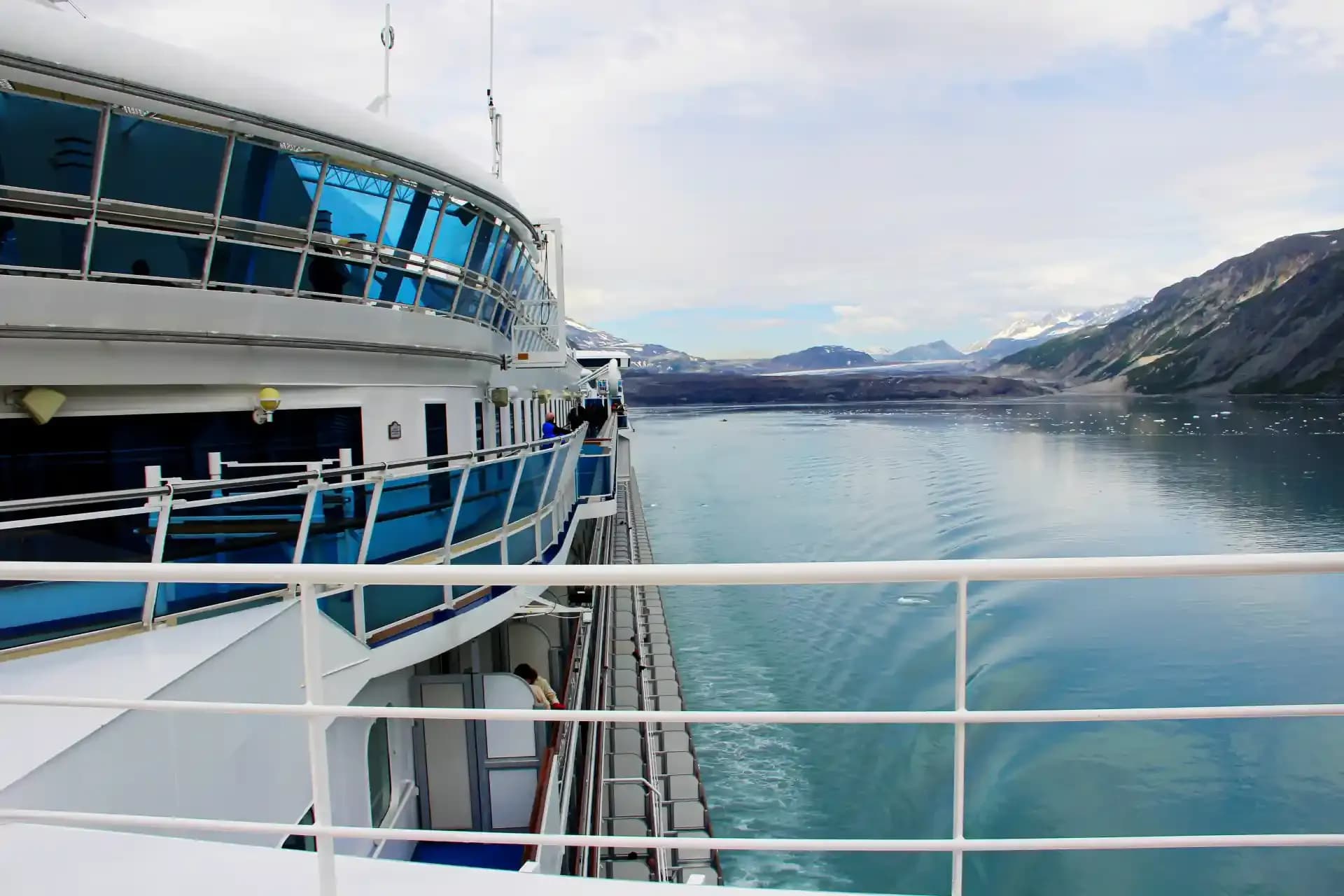
Explore Alaska’s Untamed Beauty: Your Ultimate Guide to a Scenic Cruise Adventure
Introduction Imagine waking up to the sight of towering glaciers, snow-capped mountains, and vibrant wildlife as your ship glides through the serene waters of Alaska. A scenic cruise to Alaska offers more than just breathtaking views; it’s an immersive exper