The Wildlife of the Galápagos Islands: A Nature Lover’s Paradise
Location and Overview The Galápagos Islands, a stunning group of volcanic islands in the Pacific Ocean, are about 600 miles off the coast of Ecuador. These isl
Location and Overview
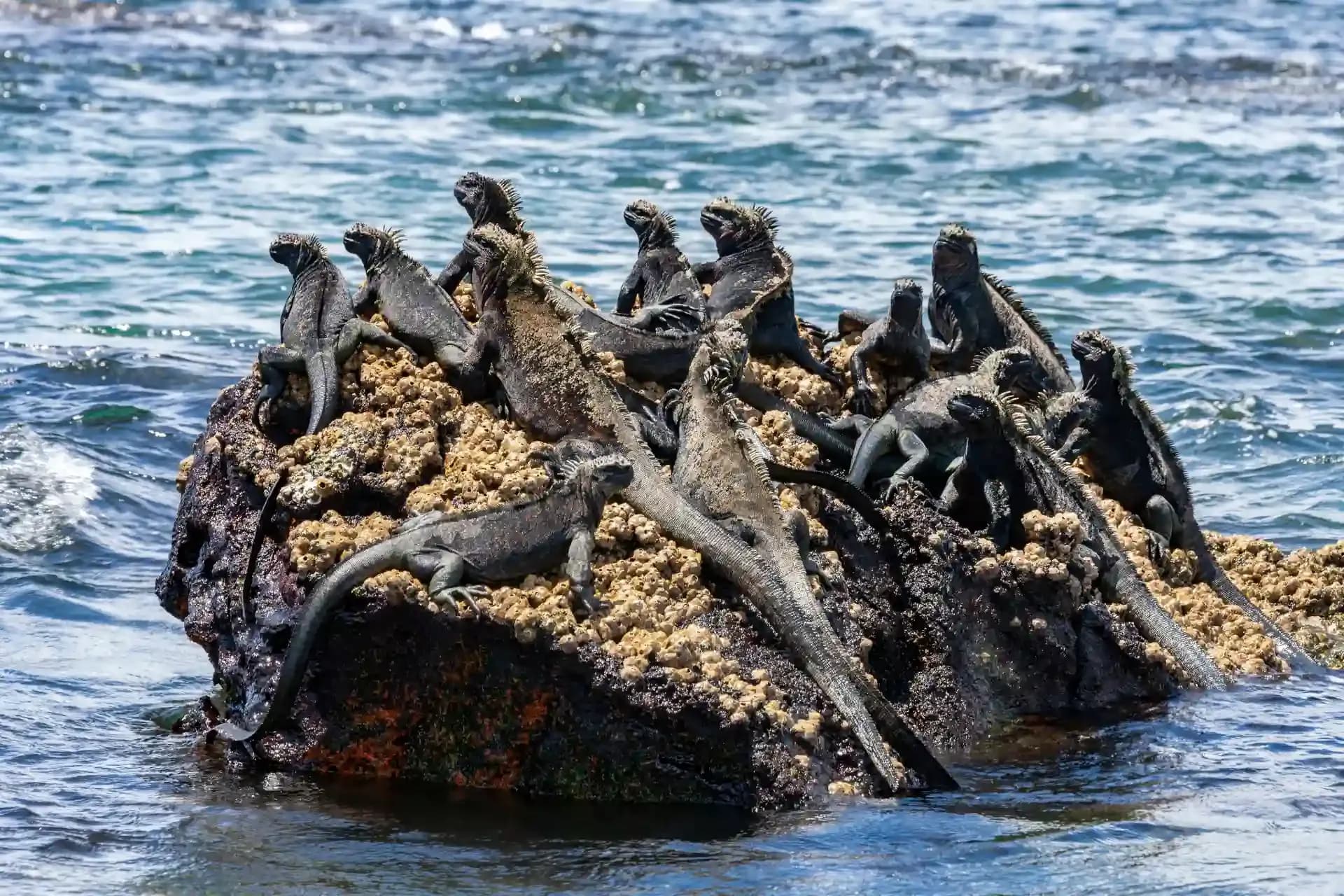
The Galápagos Islands, a stunning group of volcanic islands in the Pacific Ocean, are about 600 miles off the coast of Ecuador. These islands are world-famous for their incredible biodiversity and unique wildlife, making them a must-visit destination for nature lovers. Often described as a "living museum of evolution," the Galápagos offer a rare chance to see animals you won’t find anywhere else on the planet. From the majestic giant tortoise to the fascinating marine iguana and the quirky blue-footed booby, the Galápagos Islands are a true paradise for anyone looking to experience wildlife in its most natural and untouched form.
Perfect for adventurers and wildlife enthusiasts alike, a trip to the Galápagos promises unforgettable encounters with nature, offering memories that will last a lifetime.
How to Get There
Getting to the Galápagos Islands is easier than you might think! First, you'll need to fly into Ecuador, either to the capital city, Quito, or the coastal city of Guayaquil. From there, you’ll hop on a short domestic flight to one of the two main airports in the Galápagos: Seymour Airport on Baltra Island or San Cristóbal Airport. Several airlines offer these flights, so it’s a good idea to book your tickets early, especially if you’re traveling during peak season.
Once you arrive in the Galápagos, there are plenty of ways to explore the islands. You can join a guided tour, take a scenic boat trip, or even charter a private boat, depending on your budget and how you want to experience this incredible destination. Whether you’re planning a laid-back trip or an adventure-packed itinerary, getting to the Galápagos is the first exciting step toward an unforgettable journey!
Best Time to Go and Weather
The Galápagos Islands are a fantastic place to visit any time of the year, but when you go can shape your experience. It all depends on what you’re hoping to see and do.
- Warm, Wet Season (December to May):If you love snorkeling and diving, this is the perfect time to visit. The seas are calmer, the waters are warmer, and marine life is at its peak. You might spot sea turtles, rays, and other vibrant marine creatures during this period.
- Cooler, Dry Season (June to November):This is the best time to observe the unique land animals of the Galápagos. The famous giant tortoises are more active, and you can witness the fascinating courtship dance of the blue-footed boobies.
Throughout the year, temperatures generally range from 70°F to 85°F, so the weather is fairly mild. Just keep in mind that the wet season can be a bit humid, so pack accordingly!
Whether you’re into underwater adventures or land-based wildlife encounters, there’s a perfect time for you to explore the Galápagos Islands.
What to Bring and What to Pack
Packing smartly is key to having a great time in the Galápagos Islands. Here’s what you’ll need to bring:
- Lightweight, Breathable Clothing: Choose quick-drying materials that will keep you cool and comfortable in the warm weather.
- Sun Protection: Don’t forget sunscreen, a wide-brimmed hat, and UV-protective sunglasses to shield yourself from the strong equatorial sun.
- Swimwear and Snorkeling Gear: While many tours provide snorkeling equipment, bringing your own ensures the perfect fit for those underwater adventures.
- Sturdy Walking Shoes: The rugged terrain on the islands means you’ll need comfortable, durable shoes for hiking and exploring.
- Waterproof Bags: Keep your belongings safe and dry during boat trips and beach outings by packing them in waterproof bags.
- Binoculars and a Camera: You’ll want to capture the incredible wildlife and stunning landscapes, so bring good-quality binoculars and a camera.
- Insect Repellent: While bugs aren’t a major problem, it’s still a good idea to have some repellent, especially when you’re near mangroves and lagoons.
With these essentials in your suitcase, you’ll be ready to fully enjoy the unique wonders of the Galápagos Islands!
How Long to Plan ForWhen planning a trip to the Galápagos Islands, most visitors spend between 5 to 10 days exploring this incredible destination. A week is often the sweet spot, giving you enough time to thoroughly explore the main islands and enjoy plenty of wildlife encounters.
If you’re really looking to dive deep into the experience, consider staying longer. A more extended visit allows you to fully immerse yourself in the unique environment, with time for extra activities like scuba diving, island-hopping tours, and other exciting excursions. Whether you choose a shorter stay or a longer adventure, the Galápagos Islands will leave you with unforgettable memories.
Where to Stay
When it comes to accommodations in the Galápagos Islands, there’s something for everyone, from budget-friendly hostels to luxury eco-lodges and even liveaboard boats. Here’s a breakdown of the popular options on the main islands:
- Santa Cruz Island: As the most developed island, Santa Cruz offers the widest range of hotels, making it a convenient base for exploring the Galápagos. It’s also home to the Charles Darwin Research Station, and from here, you can easily take day trips to nearby islands.
- San Cristóbal Island: Known for its beautiful beaches and the capital, Puerto Baquerizo Moreno, San Cristóbal has a more laid-back atmosphere. It offers plenty of accommodation options, perfect for those looking to relax while still having access to great activities.
- Isabela Island: The largest of the Galápagos Islands, Isabela provides a more remote and peaceful experience. With fewer tourists and stunning natural attractions like the Sierra Negra Volcano and Los Tuneles, it’s ideal for nature lovers seeking tranquility.
- Liveaboard Boats: For a truly unique experience, consider staying on a liveaboard boat. This option lets you explore more remote islands and enjoy daily excursions directly from your vessel, offering a deeper dive into the Galápagos’ incredible wildlife and landscapes.
Whether you prefer the convenience of staying on the main islands or the adventure of a liveaboard, the Galápagos Islands offer a range of accommodations to suit every type of traveler.
Average Price
The cost of visiting the Galápagos Islands can vary depending on your travel style and the activities you choose. Here’s a breakdown to help you plan:
- Budget Travelers: If you're traveling on a budget, you can expect to spend around $2,000 to $3,000 for a week-long trip. This includes flights, accommodation, meals, and basic tours.
- Mid-Range Travelers: For a bit more comfort, plan on spending between $4,000 and $6,000. This budget allows for nicer accommodations, more activities, and a few extra amenities.
- Luxury Travelers: If you’re looking for a high-end experience, with stays at luxury lodges or liveaboard boats, your trip could cost $8,000 to $10,000 or more.
Don’t forget the Galápagos National Park entry fee of $100 per person, which is often included in tour packages. No matter your budget, a trip to the Galápagos is a worthwhile investment in a truly unique adventure.
What Makes Each Location Unique
Each island in the Galápagos has its own special charm and offers something different for visitors. Here’s a quick guide to some of the must-visit islands, along with a hidden gem on each:
- Santa Cruz Island: Central to most tours, Santa Cruz is famous for its rich biodiversity and the Charles Darwin Research Station. Here, you’ll get a close look at the conservation efforts that help preserve the islands’ unique species.Hidden Gem:Don’t miss Tortuga Bay, a stunning beach where you can spot marine iguanas, kayak through calm waters, and snorkel with reef sharks.
- San Cristóbal Island: As the capital of the Galápagos, San Cristóbal is where you’ll find beautiful beaches like Playa Mann, making it a perfect spot for snorkeling and diving. It’s also the administrative heart of the islands.Hidden Gem:Visit El Junco Lagoon, one of the few freshwater lakes in the Galápagos, offering a peaceful spot for birdwatching and hiking.
- Isabela Island: The largest of the Galápagos Islands, Isabela offers a more rustic and less developed experience. You can hike volcanic craters, visit the historic Wall of Tears, and snorkel in crystal-clear waters.Hidden Gem:Explore the lava tunnels at Los Tuneles, an otherworldly landscape where you can snorkel through arches and tunnels formed by volcanic activity, teeming with marine life.
- Floreana Island: Rich in history and mystery, Floreana is known for its tales of early settlers and offers secluded beaches along with some of the best snorkeling spots in the archipelago.Hidden Gem:Visit the Post Office Bay, where you can leave a postcard in a barrel for other travelers to hand-deliver—a quirky tradition dating back to the 18th century.
- Española Island: The oldest island in the Galápagos, Española is a wildlife lover’s paradise. It’s home to the famous waved albatross and provides some of the best opportunities to see sea lions and marine iguanas up close.Hidden Gem:Head to Gardner Bay, a pristine beach perfect for relaxing, swimming, and snorkeling with playful sea lions.
Each of these islands has something unique to offer, making the Galápagos a truly unforgettable destination for nature enthusiasts. These hidden gems add an extra layer of adventure to your visit!ConclusionThe Galápagos Islands are a unique and mesmerizing destination, offering an unparalleled opportunity to witness wildlife in its most natural and unspoiled environment. By planning your trip carefully—considering the best time to visit, what to bring, and where to stay—you can ensure an unforgettable adventure that will leave you with memories of a lifetime. Whether you’re a seasoned traveler or a nature enthusiast, the Galápagos Islands are a must-visit location that truly embodies the wonder of our natural world.
You Might Also Like

Butterfly Bliss: Discover the Magic of Monarch Migration in Mexico
Each year, millions of monarch butterflies embark on a breathtaking journey from Canada and the United States to the mountains of central Mexico. Covering thousands of miles, these delicate travelers find sanctuary in the oyamel fir forests of Mexico for the winter. W
Ultimate Guide to Gorilla Trekking in Uganda: Discover Bwindi and Mgahinga’s Hidden Wonders
Imagine stepping into a world where mist-shrouded mountains meet dense, emerald rainforests, and the air is thick with the sounds of the wild. Deep within the heart of Uganda lies a rare opportunity—to come face-to-face with one of the planet's most majestic and endangered