Ultimate Guide to Gorilla Trekking in Uganda: Discover Bwindi and Mgahinga’s Hidden Wonders
Imagine stepping into a world where mist-shrouded mountains meet dense, emerald rainforests, and the air is thick with the sounds of the wild. Deep within the heart of Uganda lies a rare opportunity—to come face-to-face with one of the planet's most majestic and endangered
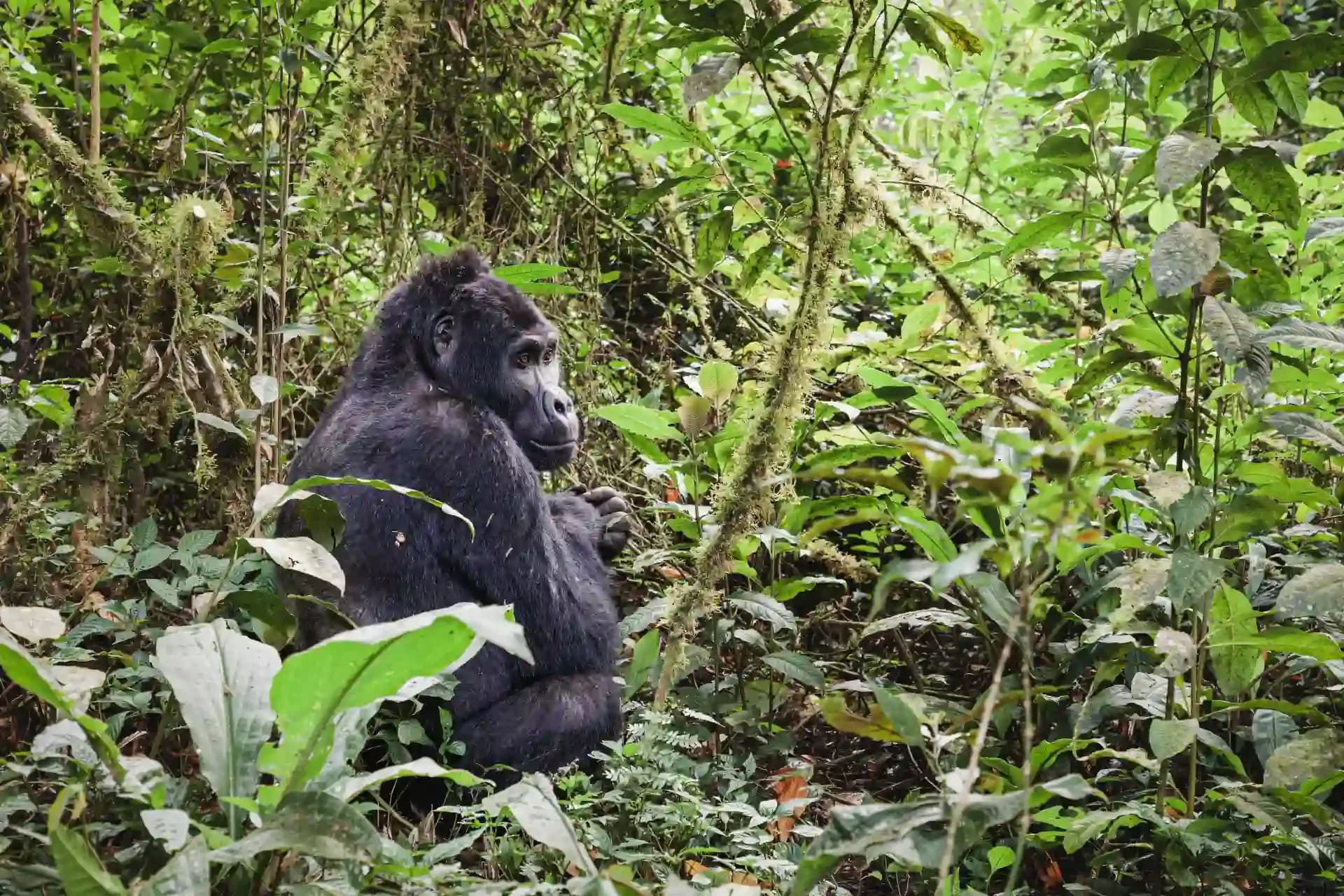
Imagine stepping into a world where mist-shrouded mountains meet dense, emerald rainforests, and the air is thick with the sounds of the wild. Deep within the heart of Uganda lies a rare opportunity—to come face-to-face with one of the planet's most majestic and endangered creatures: the mountain gorilla. Gorilla trekking in Uganda is not just a journey; it’s an exhilarating quest into the unknown, where each step brings you closer to a life-altering encounter. With Uganda hosting half of the world’s remaining gorilla population, this is the ultimate destination for anyone seeking a truly extraordinary wildlife experience. This guide will lead you through everything you need to know to embark on this unforgettable adventure.
Location
Uganda's two main destinations for gorilla trekking areBwindi Impenetrable National ParkandMgahinga Gorilla National Park. Bwindi, a UNESCO World Heritage site, is more popular due to its larger population of gorillas and diverse trekking trails. Mgahinga, part of the Virunga Mountains, offers a quieter experience with a smaller gorilla population but breathtaking views of volcanic peaks.
How to Get There
To reach Bwindi or Mgahinga, you’ll fly intoEntebbe International Airportnear Kampala, Uganda's capital. From Entebbe, you can either take a domestic flight toKisoroorKihihi(the closest airports to Bwindi and Mgahinga) or embark on a scenic 8-10 hour drive through Uganda’s lush landscapes. The drive, while long, offers the opportunity to experience the country’s rich culture and scenic beauty.
Best Time to Go/Weather
The best time for gorilla trekking in Uganda is during thedry seasons: fromJune to SeptemberandDecember to February. During these months, the trails are less muddy, and the chances of rain are lower, making the trek more manageable. Additionally, during the dry season, you can enjoyclearer skies and uninterrupted views of Uganda's stunning landscapes, perfect for capturing breathtaking photographs of the region's natural beauty. The wet seasons (March to May and October to November) see fewer tourists, and while the trails are more challenging, the rainforests are at their most vibrant. If you trek during this time, you can experience thespectacular sight of seasonal waterfallscascading through the lush greenery—something only possible during these rain-soaked months.
What to Bring/What to Pack
Packing for a gorilla trek requires preparation. Essential items include:
- Sturdy hiking bootsfor navigating the steep and sometimes slippery terrain.
- Long-sleeved shirts and trousersto protect against scratches and insect bites.
- Rain gear(poncho or waterproof jacket) since weather can be unpredictable.
- Gardening glovesto help grip vegetation and protect your hands.
- Insect repellentand sunscreen.
- A good camerawith a zoom lens to capture the gorillas from a distance.
- Plenty of water and snacksto keep your energy up during the trek.
How Long to Plan For
Planning a gorilla trekking adventure in Uganda? You’ll need at least three days: one day to travel to the park, one day for the trek itself, and one day to return. But to truly make the most of your experience, consider extending your trip to5-7 days. This gives you more flexibility to soak in the beauty of the area and reduces the chances of missing your gorilla encounter due to unexpected weather or fatigue.
With a longer stay, you can also enjoyextra activitieslike visiting local communities, bird watching, or exploring other nearby national parks. This way, your trip isn’t just about the gorillas—it becomes a rich, immersive experience of Uganda’s incredible landscapes and culture. By giving yourself more time, you ensure a more relaxed, rewarding adventure.
Where to Stay
When it comes to accommodation near Bwindi and Mgahinga, you’ll find a wide range of options to suit your budget and preferences, from luxurious lodges to affordable campsites. Here are some popular choices:
- Sanctuary Gorilla Forest Camp(Luxury, Bwindi): A top-tier option, offering a premium experience right in the heart of the forest.
- Buhoma Lodge(Mid-range, Bwindi): Known for its cozy atmosphere and excellent service, perfect for a comfortable stay.
- Mount Gahinga Lodge(Luxury, Mgahinga): Offers stunning views and a touch of luxury, ideal for a peaceful retreat.
- Nkuringo Bwindi Gorilla Lodge(Mid-range, Bwindi): A great choice for those seeking comfort and convenience with easy access to trekking points.
- Ruhija Gorilla Lodge(Mid-range, Bwindi): Offers a serene setting and a warm welcome, making it a favorite among trekkers.
Many of these lodges offerpackage dealsthat include meals, guided treks, and sometimes even cultural tours, allowing you to fully immerse yourself in the local experience without worrying about the details. Whether you’re looking for luxury or something more budget-friendly, these accommodations ensure you’re well-rested and ready for your gorilla trekking adventure.
Average Price
Gorilla trekking permits in Uganda cost around$700 USDper person as of 2024. This fee is critical for conservation efforts and the protection of the gorillas. On top of the permit, you’ll need to budget for accommodation, meals, transportation, and tips for guides and porters. A mid-range gorilla trekking trip can cost anywhere from$1,500 to $3,000 USDper person, depending on the length of stay and accommodation choice.
What Makes Each Location Unique
Bwindi Impenetrable National Park: If you’re up for a challenge, Bwindi is the place to be. Known for its dense, ancient rainforest and rugged terrain, this park offers a more intense and rewarding trekking experience. Bwindi is divided into four sectors—Buhoma, Ruhija, Nkuringo,andRushaga—each home to distinct gorilla families, so you can choose your trekking route based on your preferences. Beyond gorillas, Bwindi boasts incredible biodiversity, with numerous other primate species, colorful birds, and unique plant life making it a nature lover’s paradise.
Mgahinga Gorilla National Park: For those seeking a quieter, more intimate gorilla trekking experience, Mgahinga is an excellent choice. As part of theVirunga Conservation Area, which spans Uganda, Rwanda, and the DRC, Mgahinga is less crowded than Bwindi, offering a more peaceful adventure. Besides gorillas, Mgahinga is also known for itsgolden monkeys, a rare and enchanting species. The park’s stunning backdrop of theVirunga Volcanoesadds a dramatic and unforgettable element to your trek, making it a unique destination for wildlife enthusiasts.
Conclusion
Gorilla trekking in Uganda is a once-in-a-lifetime experience that offers a deep connection with one of the world’s most endangered species. With proper planning, this adventure can be both thrilling and fulfilling, leaving you with memories that last a lifetime. Whether you choose the dense forests of Bwindi or the volcanic landscapes of Mgahinga, Uganda’s gorilla trekking is sure to leave you in awe of the natural world.
You Might Also Like

Butterfly Bliss: Discover the Magic of Monarch Migration in Mexico
Each year, millions of monarch butterflies embark on a breathtaking journey from Canada and the United States to the mountains of central Mexico. Covering thousands of miles, these delicate travelers find sanctuary in the oyamel fir forests of Mexico for the winter. W
The Wildlife of the Galápagos Islands: A Nature Lover’s Paradise
Location and Overview The Galápagos Islands, a stunning group of volcanic islands in the Pacific Ocean, are about 600 miles off the coast of Ecuador. These isl