Oaxaca, a vibrant state in southern Mexico, is renowned for its rich culinary traditions, deeply rooted in indigenous culture and history. Known as the “land of the seven moles,” Oaxaca offers a diverse and flavorful cuisine that has earned it a reputation as one of Mexico’s top gastronomic destinations. This guide will take you on a culinary journey through Oaxaca, focusing on how to get there, the best time to visit, what to bring, how long to stay, where to stay, average costs, and what makes each culinary experience unique.
How to Get There
Reaching Oaxaca is straightforward, with multiple options to suit different travel preferences. Oaxaca International Airport (OAX) serves as the main gateway, with flights from Mexico City and several U.S. cities, and is conveniently located just 12 kilometers (7.5 miles) from the city center. For those traveling by land, Oaxaca is well-connected by bus, with journeys from Mexico City taking about 6-7 hours, offering scenic views of the Mexican countryside along the way. Alternatively, renting a car provides the flexibility to explore at your own pace, with a 5-6 hour drive from Mexico City via well-maintained highways leading directly to Oaxaca.
Best Time to Go/Weather
The best time to visit Oaxaca for a culinary tour is during the dry season, from October to April, when the weather is mild and pleasant:
- October to April: The dry season offers comfortable temperatures, making it ideal for exploring markets, taking cooking classes, and enjoying outdoor dining experiences.
- July to September: The rainy season can be less predictable, with occasional showers, but it’s also the time for the annual Guelaguetza festival, where you can experience traditional Oaxacan food and culture.
How Long to Plan For
To fully immerse yourself in Oaxaca’s culinary culture, plan to stay for at least five to seven days:
- Five Days: Focus on exploring Oaxaca City’s markets, taking a mole cooking class, and visiting nearby villages known for their artisanal food products.
- Seven Days: Extend your stay to include day trips to the mezcal-producing regions, the ancient ruins of Monte Albán, and the coastal town of Puerto Escondido, where you can enjoy fresh seafood.
Where to Stay
Oaxaca offers a variety of accommodations that enhance the culinary experience:
Oaxaca City:
Staying in the city center provides easy access to markets, restaurants, and culinary schools. Boutique hotels and charming guesthouses are plentiful, often housed in colonial-era buildings.
Teotitlán del Valle:
For a more immersive experience, consider staying in a village like Teotitlán del Valle, known for its traditional weaving and local cuisine. Many family-run inns offer cooking classes and farm-to-table meals.
Coastal Oaxaca:
If you’re including a visit to the coast, consider staying in Puerto Escondido or Huatulco, where you can enjoy fresh seafood and ocean views.
Average Price
Oaxaca is an affordable destination for food lovers, with options to suit various budgets:
Accommodation:
Budget accommodations like hostels and guesthouses range from $20-$50 per night. Mid-range hotels cost around $70-$150 per night, while luxury stays can range from $200-$400 per night.
Meals:
Street food and casual dining are very affordable, with meals costing around $5-$10. Dining in a traditional Oaxacan restaurant with multi-course meals can range from $20-$50 per person.
Culinary Experiences:
Cooking classes, market tours, and mezcal tastings typically range from $50-$150 per person, depending on the experience.
What Makes Each Culinary Experience Unique
Mole Poblano:
Oaxaca is famous for its mole, a rich and complex sauce made from a blend of chiles, spices, chocolate, and other ingredients. The city is known for its seven types of mole, each with its unique flavor profile. Taking a cooking class to learn how to make mole from scratch is a must-do experience.
Tlayudas:
Often referred to as Oaxacan pizza, tlayudas are large, crispy tortillas topped with beans, cheese, meat, and salsa. They are a staple of Oaxacan street food and can be found in markets and local eateries throughout the city.
Mezcal Tasting:
Oaxaca is the heart of mezcal production in Mexico. Visiting a mezcalería or taking a tour of a mezcal distillery offers a deep dive into the traditional methods of making this smoky, agave-based spirit. Pair your tasting with traditional Oaxacan snacks like chapulines (roasted grasshoppers) for a truly authentic experience.
Markets:
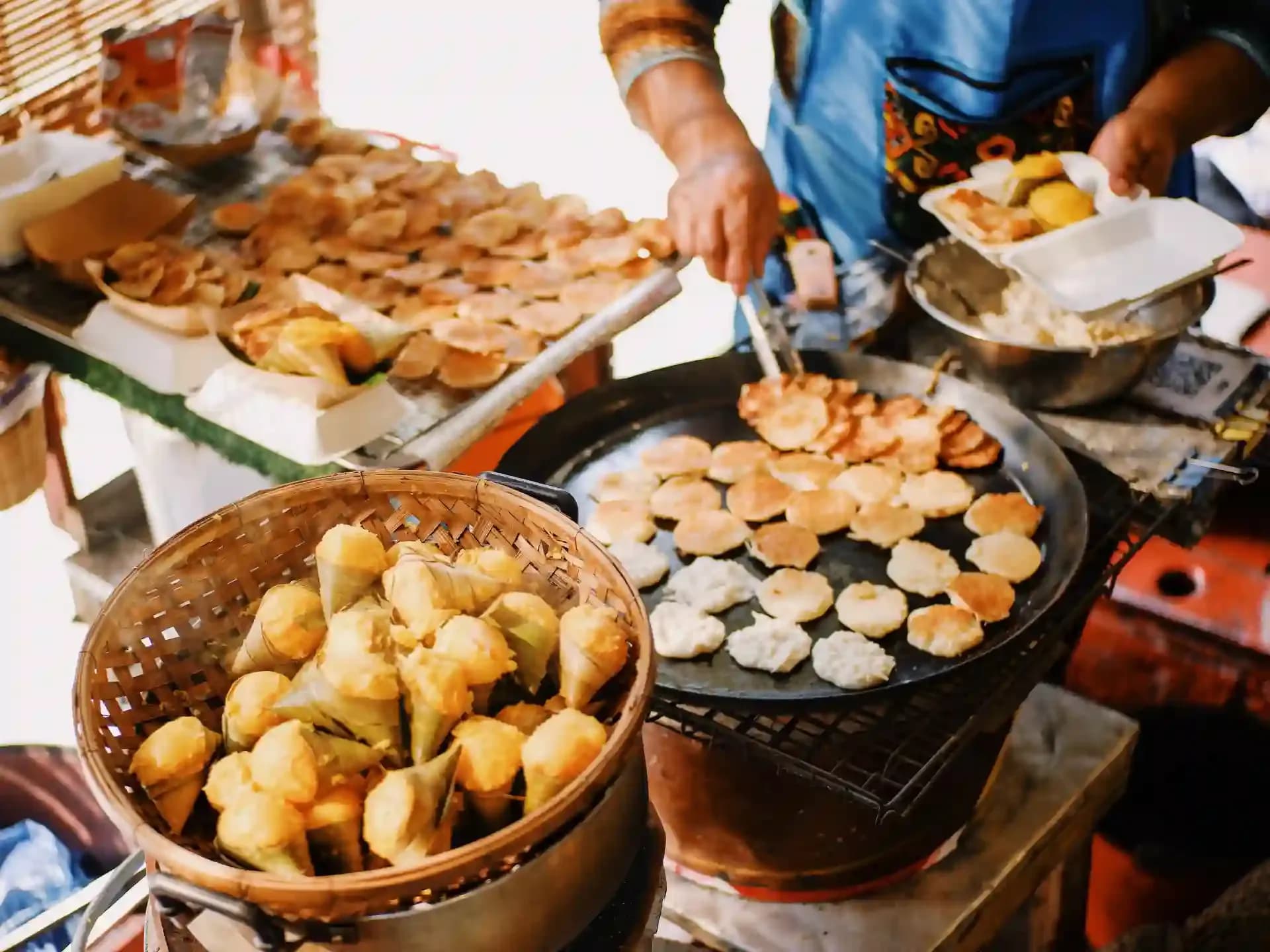
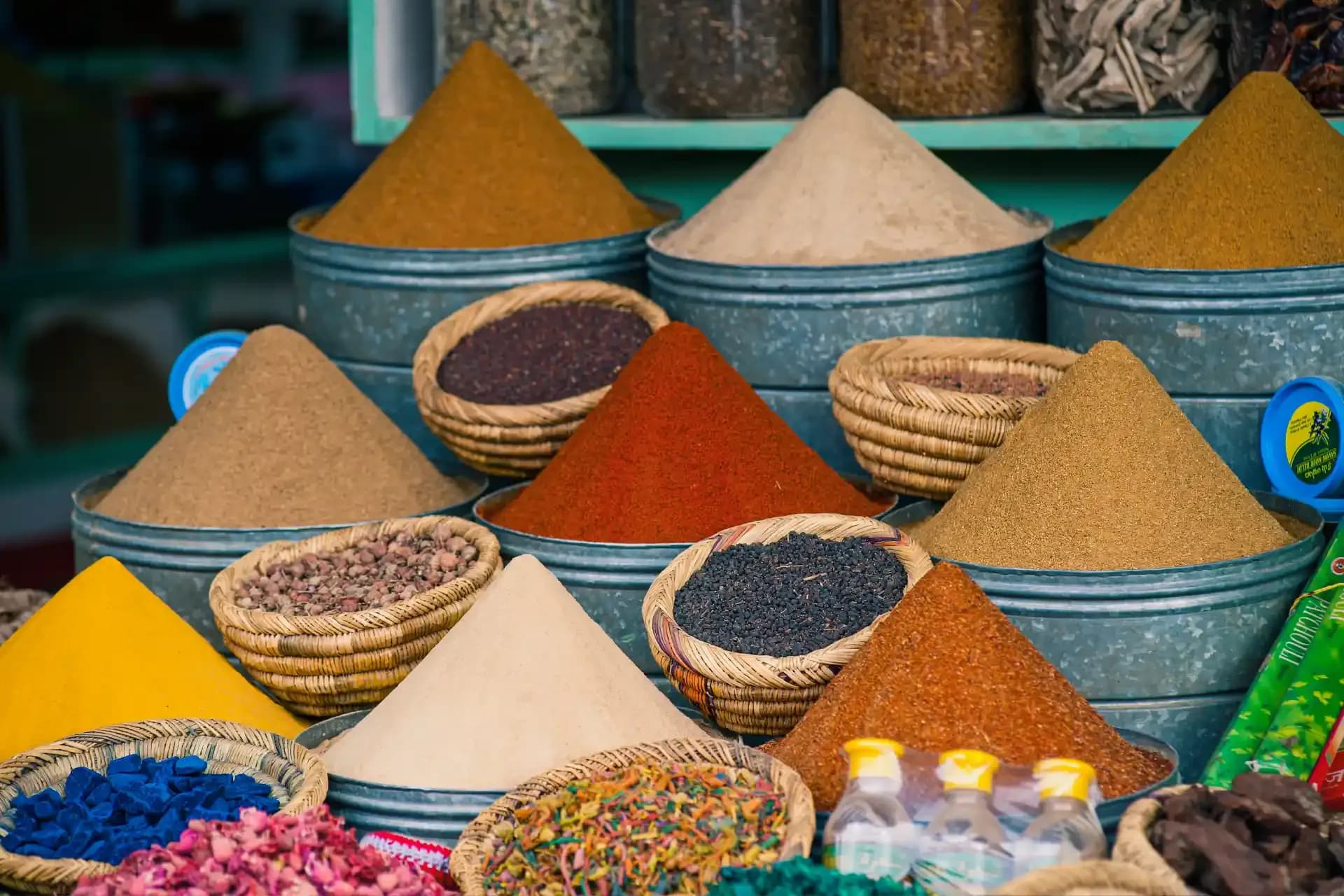
Oaxaca’s markets are a food lover’s paradise. Markets like Mercado de Benito Juárez and Mercado 20 de Noviembre are filled with stalls selling everything from fresh produce to handmade chocolate and traditional dishes like barbacoa and tamales. These markets offer a chance to sample a wide range of Oaxacan flavors in one place.
Guelaguetza Festival:
Held in July, the Guelaguetza is one of Oaxaca’s most important cultural events. The festival showcases traditional dance, music, and, of course, food. It’s an excellent time to experience the diversity of Oaxacan cuisine, from mole to tamales to atole (a traditional corn-based drink).
Conclusion:
Oaxaca’s culinary traditions are a reflection of its rich cultural heritage and deep connection to the land. Whether you’re savoring a mole dish in a local restaurant, exploring the vibrant markets, or enjoying a mezcal tasting, the flavors of Oaxaca offer an unforgettable journey into the heart of Mexican cuisine.