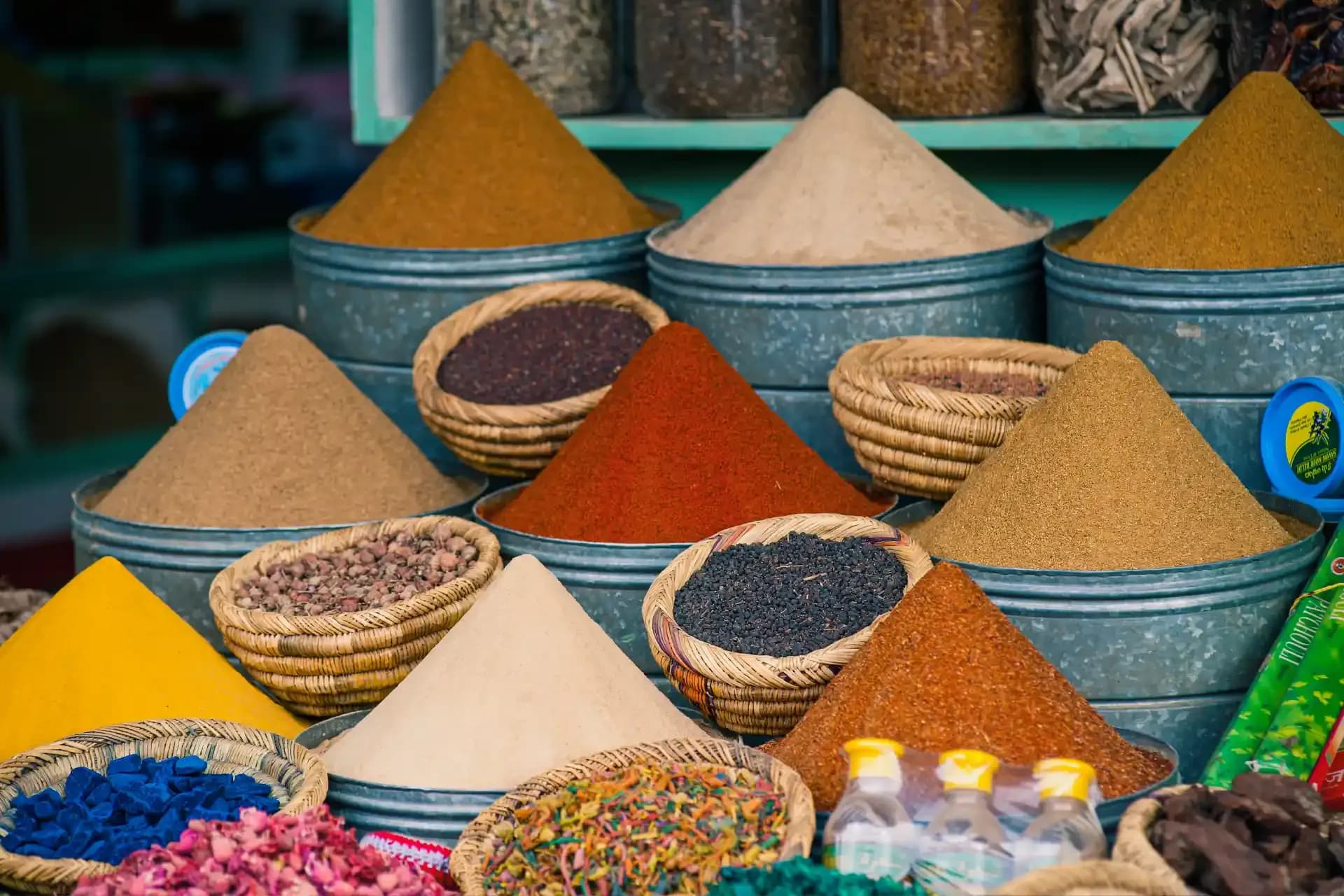
Discovering the Spices of Marrakech, Morocco
Marrakech, Morocco, is a city of vibrant colors, rich history, and intoxicating aromas. As you wander through the bustling souks, the air is filled with the scent of exotic spices, each one a testament to the city’s deep connection to its culinary traditions. Discover
Marrakech, Morocco, is a city of vibrant colors, rich history, and intoxicating aromas. As you wander through the bustling souks, the air is filled with the scent of exotic spices, each one a testament to the city’s deep connection to its culinary traditions. Discovering the spices of Marrakech is more than just a sensory experience; it's a journey into the heart of Moroccan culture. Location Marrakech is located in the western part of Morocco, nestled at the foothills of the Atlas Mountains. Known as the "Red City" due to the hue of its buildings, Marrakech is a cultural hub that blends the old with the new, where ancient traditions meet modern-day vibrancy. The city is a gateway to the Sahara Desert and is one of Morocco's most famous destinations. How to Get There Marrakech is easily accessible by air, with Marrakech Menara Airport (RAK) serving as the main international gateway. The airport is well-connected to major cities in Europe, the Middle East, and Africa. From the airport, the city center is just a 15-minute taxi ride away. If you're already in Morocco, Marrakech is well-connected by train, bus, and car. The train journey from Casablanca takes about 3 hours, while from Rabat, it's approximately 4 hours. Buses and shared taxis are also popular options for getting around the country. Best Time to Go/Weather The best time to visit Marrakech is during the spring (March to May) and autumn (September to November) when the weather is mild and pleasant. During these months, daytime temperatures range from 20°C to 30°C (68°F to 86°F), making it perfect for exploring the city's outdoor attractions and souks. Summer (June to August) can be extremely hot, with temperatures soaring above 40°C (104°F), while winter (December to February) is cooler, especially at night, with temperatures dropping to around 5°C to 10°C (41°F to 50°F). How Long to Plan For To truly immerse yourself in the spice culture of Marrakech, plan to spend at least 3 to 4 days in the city. This allows you to explore the vibrant souks, visit spice shops, and experience a traditional Moroccan cooking class. You'll also have time to visit key attractions such as the Jardin Majorelle, Koutoubia Mosque, and the Bahia Palace. Where to Stay Marrakech offers a range of accommodations, from luxurious riads (traditional Moroccan houses with courtyards) to budget-friendly hostels. Staying in a riad in the Medina (old city) is a unique experience, allowing you to be in the heart of the city's vibrant atmosphere. - Luxury: La Mamounia, a historic palace hotel offering opulent rooms and beautiful gardens. - Mid-Range: Riad Yasmine, a charming boutique riad with a rooftop terrace and pool. - Budget: Hostel Marrakech Rouge, a friendly and colorful hostel in Medina. Average Price Marrakech can cater to all budgets. For accommodation, expect to pay around: - Luxury: $300 - $1,000 per night - Mid-Range: $80 - $150 per night - Budget: $20 - $50 per night Meals in Marrakech are affordable, with street food and local restaurants offering delicious Moroccan dishes for as little as $5. Dining in a more upscale restaurant will cost around $20 - $50 per person. What Makes Each Location Unique The spice markets, or souks, of Marrakech are among the most famous in the world. As you stroll through these vibrant markets, you'll encounter piles of colorful spices—cumin, turmeric, saffron, cinnamon, and paprika—each with its own story and use in Moroccan cuisine. The vendors are often eager to share their knowledge, offering tips on how to use the spices and even letting you sample their blends. A highlight of any trip to Marrakech is the opportunity to try authentic Moroccan dishes that showcase these spices. Traditional foods to look out for include: Tagine: A slow-cooked stew made in a clay pot, typically featuring lamb or chicken, vegetables, and a mix of spices like cumin, coriander, and saffron. Couscous: Often served as a side dish or main course, this steamed semolina is typically topped with vegetables and meat, flavored with a blend of spices. Harira: A hearty soup made with tomatoes, lentils, chickpeas, and lamb, spiced with cinnamon, ginger, and saffron. Pastilla: A savory-sweet pie made with layers of thin pastry, pigeon or chicken, almonds, and cinnamon, dusted with powdered sugar. Briouats: Small pastries filled with meat or cheese, often spiced with cinnamon and saffron. Conclusion As you explore the spices of Marrakech, you'll not only discover the flavors of Moroccan cuisine but also the warmth and hospitality of its people. Whether you're a seasoned chef or a curious traveler, Marrakech offers a culinary adventure that is as rich and diverse as its history. From the fragrant tagines simmering in street-side stalls to the rich, aromatic teas brewed with mint and sugar, Marrakech is a city where food is celebrated and shared.
You Might Also Like

Authentic Mexican Cuisine in Oaxaca
Oaxaca, a vibrant state in southern Mexico, is renowned for its rich culinary traditions, deeply rooted in indigenous culture and history. Known as the "land of the seven moles," Oaxaca offers a diverse and flavorful cuisine that has earned it a reputation as one of M
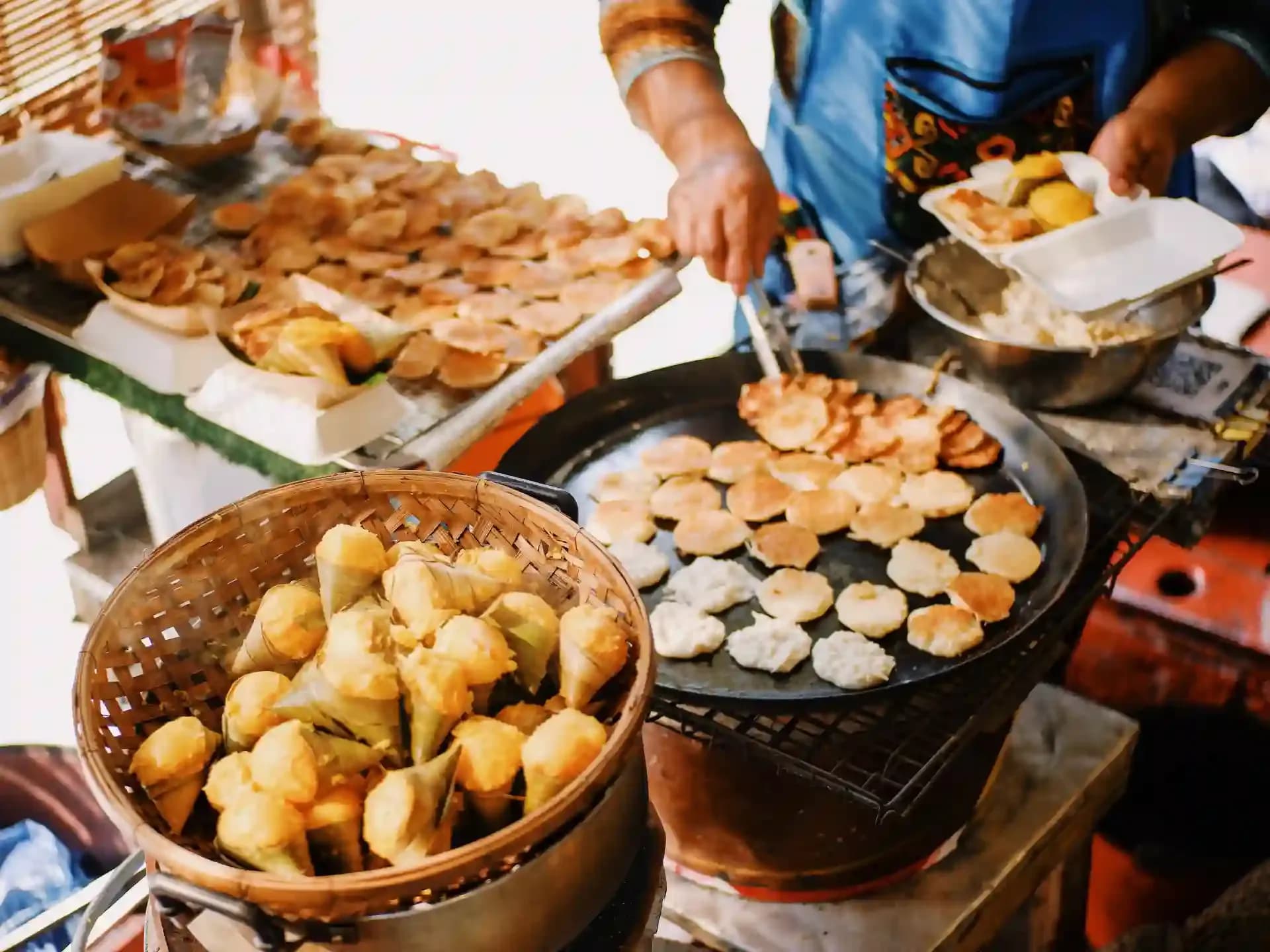
Street Food of Bangkok, Thailand
Bangkok, Thailand’s bustling capital, is a vibrant city where the streets are alive with the sizzling sounds and tantalizing aromas of street food. The city’s culinary landscape is legendary, offering an array of dishes that reflect the diverse influences and rich cul
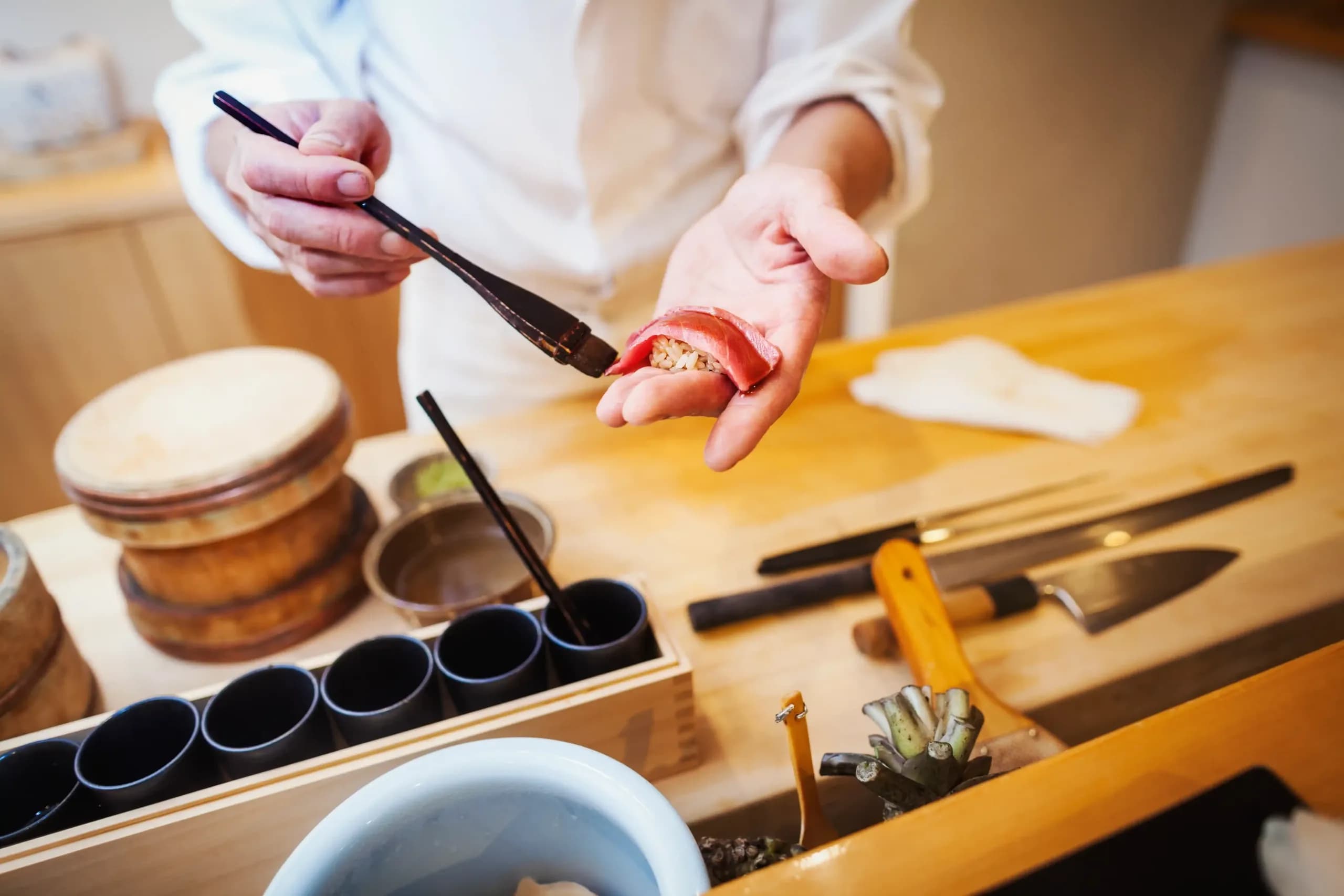
Culinary Traditions of Kyoto, Japan
Kyoto, the heart of Japan’s cultural and spiritual heritage, is as famous for its culinary traditions as it is for its temples and gardens. The city’s cuisine is deeply intertwined with its history, geography, and seasons, offering a unique and refined dining experien