Kyoto, the heart of Japan’s cultural and spiritual heritage, is as famous for its culinary traditions as it is for its temples and gardens. The city’s cuisine is deeply intertwined with its history, geography, and seasons, offering a unique and refined dining experience. In this guide, we’ll explore the culinary traditions of Kyoto, including its location, how to get there, the best time to visit, what to bring, how long to stay, where to stay, average costs, and what makes each culinary location unique.
Location
Kyoto is located in the Kansai region of Japan, on the island of Honshu. The city is surrounded by mountains on three sides, providing a natural setting that influences its culinary traditions. Kyoto is about 500 kilometers (310 miles) southwest of Tokyo and is known for its well-preserved historical sites, traditional tea houses, and refined cuisine, which is often considered the epitome of Japanese culinary artistry.
How to Get There
Kyoto is easily accessible through various transportation options. The nearest international gateway is Kansai International Airport (KIX), located about 75 kilometers from Kyoto, with direct train service (JR Haruka Express) to Kyoto Station taking around 75 minutes.
For those traveling within Japan, Kyoto is a major stop on the Tokaido Shinkansen (bullet train) line, connecting it to Tokyo in about 2.5 hours and Osaka in just 15 minutes.
Additionally, highways link Kyoto to major cities like Osaka, Kobe, and Tokyo, making it reachable by bus or car, though trains are generally the faster and more convenient option.
Best Time to Go/Weather
The best time to visit Kyoto is during the spring (March to May) and autumn (October to November) when the weather is mild and the city is at its most picturesque.
– Spring: Cherry blossoms (sakura) bloom in late March to early April, offering a stunning backdrop for exploring the city and enjoying seasonal dishes like sakura mochi (cherry blossom rice cakes).
-Autumn: The fall foliage transforms Kyoto into a vibrant tapestry of reds, oranges, and yellows. This season is perfect for enjoying kaiseki (multi-course meal) dining, where dishes are crafted to reflect the autumnal colors and flavors.
Summers in Kyoto can be hot and humid, while winters are cold, with occasional snowfall. However, each season offers unique culinary experiences, from summer’s refreshing hiyashi somen (chilled noodles) to winter’s hearty nabe (hot pot).
How Long to Plan For
To fully appreciate Kyoto’s culinary scene, plan to stay for at least three to five days. This duration allows you to explore different aspects of the city’s food culture:
– Three Days: Focus on Kyoto’s signature dishes and experiences, such as kaiseki dining, visiting Nishiki Market, and enjoying traditional tea at a tea house.
– Five Days: Extend your stay to include a deeper exploration of Kyoto’s culinary neighborhoods, take part in a cooking class, visit nearby sake breweries, and enjoy seasonal events or festivals.
Where to Stay
Kyoto offers a range of accommodations, from luxury hotels to traditional ryokan (Japanese inns):
- Gion District:
For a quintessential Kyoto experience, stay in Gion, known for its traditional wooden machiya houses and proximity to temples and tea houses. Here, you can also find luxury ryokan offering kaiseki meals.
- Central Kyoto:
Staying near Kyoto Station or in downtown areas like Karasuma or Kawaramachi provides easy access to public transportation, shopping, and dining options.
- Arashiyama:
For a more serene experience, consider staying in Arashiyama, known for its bamboo groves and scenic beauty. Many accommodations here offer river views and traditional meals.
Average Price
Kyoto can cater to a range of budgets, though it is generally more expensive than other Japanese cities due to its popularity and cultural significance:
Accommodation:
Budget options like hostels and guesthouses range from ¥3,000-¥7,000 per night (€20-€45). Mid-range hotels cost around ¥10,000-¥20,000 per night (€65-€130), while luxury ryokan can range from ¥30,000-¥100,000 per night (€195-€650), often including kaiseki meals.
Meals:
You can enjoy casual meals like ramen or tempura for ¥1,000-¥2,000 (€6.50-€13). Kaiseki dining experiences range from ¥10,000-¥30,000 (€65-€195) per person, depending on the restaurant.
Transportation:
Kyoto is well-served by public transportation. A day pass for buses and subways costs around ¥600 (€4). Taxis are more expensive but convenient for short trips.
What Makes Each Location Unique
- Nishiki Market:
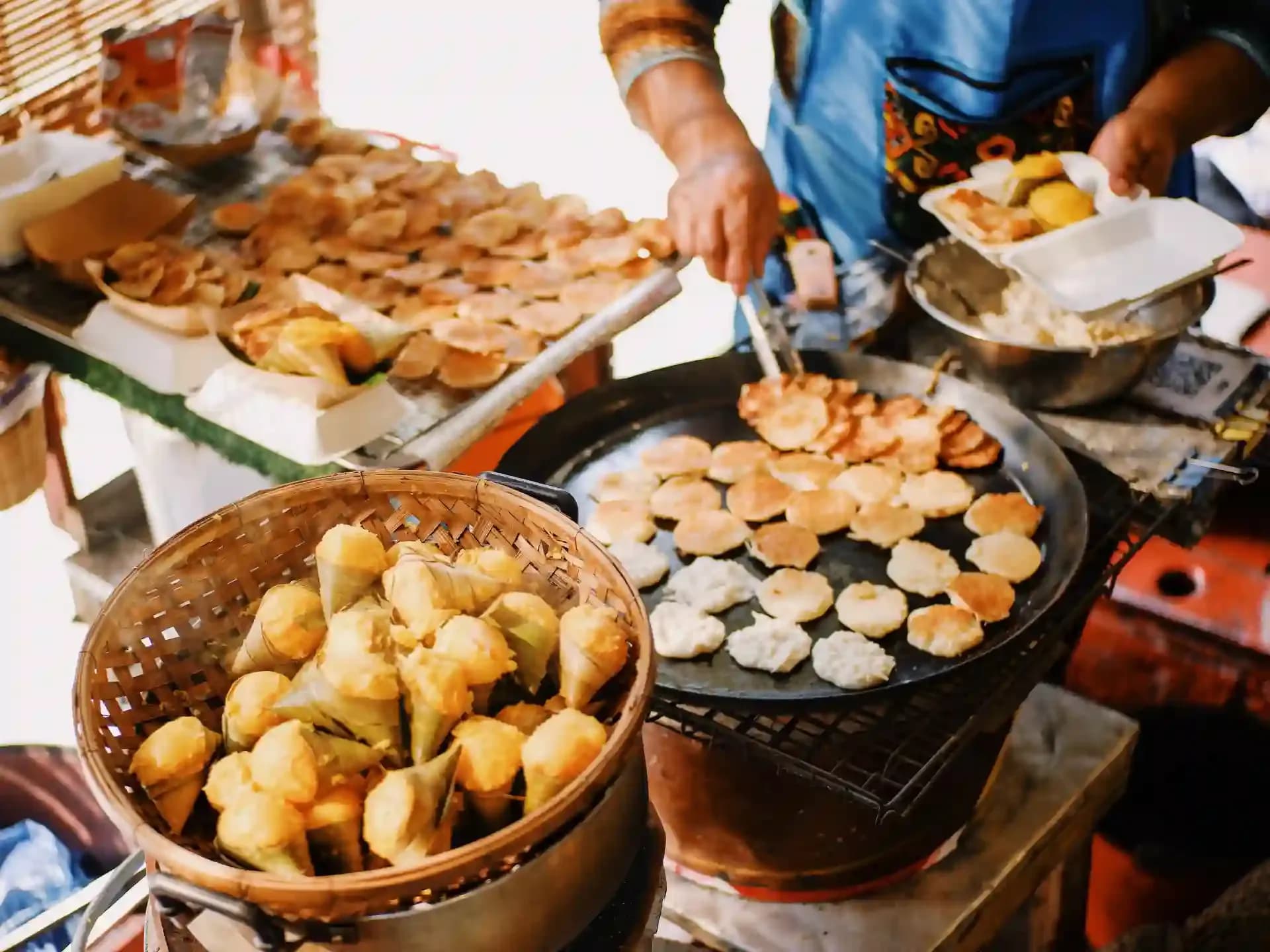
Known as “Kyoto’s Kitchen,” Nishiki Market is a bustling five-block stretch filled with food stalls, specialty shops, and restaurants. Here, you can sample local delicacies like yuba (tofu skin), fresh seafood, and pickled vegetables.
- Gion District:
Gion is famous for its traditional tea houses and kaiseki dining. It’s also where you might spot a geisha or maiko (apprentice geisha) on their way to an engagement. Dining in Gion offers a glimpse into Kyoto’s refined culinary traditions.
- Arashiyama:
Besides its natural beauty, Arashiyama is known for its riverside restaurants offering seasonal kaiseki menus that reflect the changing scenery. It’s a perfect spot for a peaceful meal away from the city center.
- Pontocho Alley:
A narrow alley along the Kamogawa River, Pontocho is lined with traditional restaurants and izakayas (Japanese pubs). It’s particularly famous for its riverside dining during the summer, where you can enjoy seasonal dishes on open-air balconies overlooking the water.
- Fushimi Sake District:
Kyoto’s Fushimi district is renowned for its sake breweries, thanks to its pure spring water. A visit here allows you to tour historic breweries, learn about sake production, and taste some of the best sake in Japan.
- Kaiseki Dining:
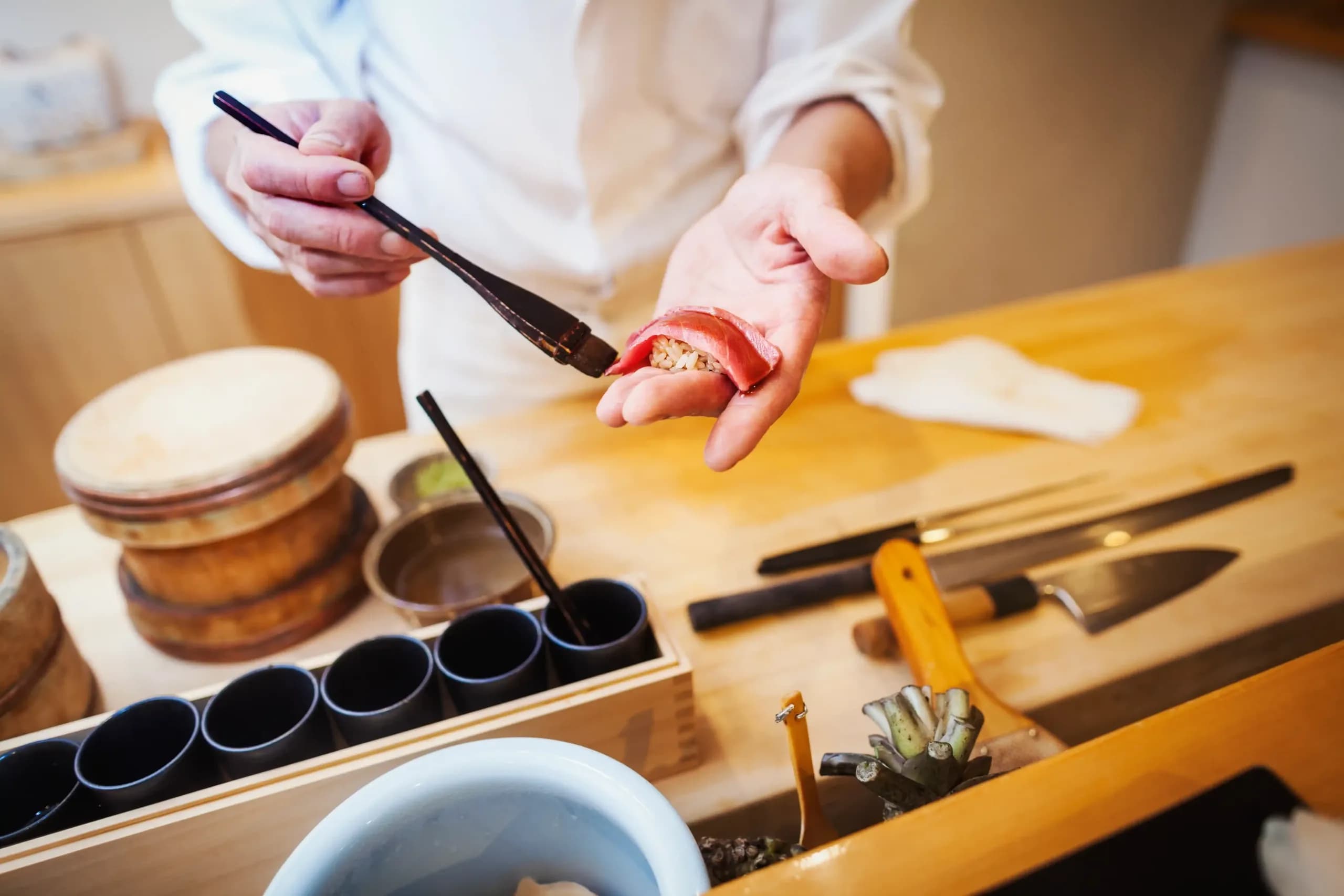
Kaiseki is the pinnacle of Kyoto cuisine, a multi-course meal that emphasizes seasonality, presentation, and delicate flavors. Each course is carefully crafted to highlight the natural beauty of the ingredients, making it not just a meal but an artistic experience.
- Shojin Ryori:
This traditional Buddhist vegetarian cuisine, served at many temples in Kyoto, focuses on simplicity and mindfulness. The meals are prepared without meat, fish, or strong flavors like garlic, emphasizing the natural taste of vegetables and tofu.
- Tea Ceremony:
Kyoto is the birthplace of the Japanese tea ceremony, and participating in one offers insight into the cultural significance of matcha (powdered green tea) and the meticulous rituals that accompany its preparation and consumption.
Conclusion:
Kyoto’s culinary traditions are a reflection of its deep-rooted culture and history, offering a unique and enriching experience for any visitor. Whether you’re savoring a multi-course kaiseki meal, exploring vibrant markets, or enjoying a serene tea ceremony, Kyoto’s food scene is sure to leave a lasting impression.