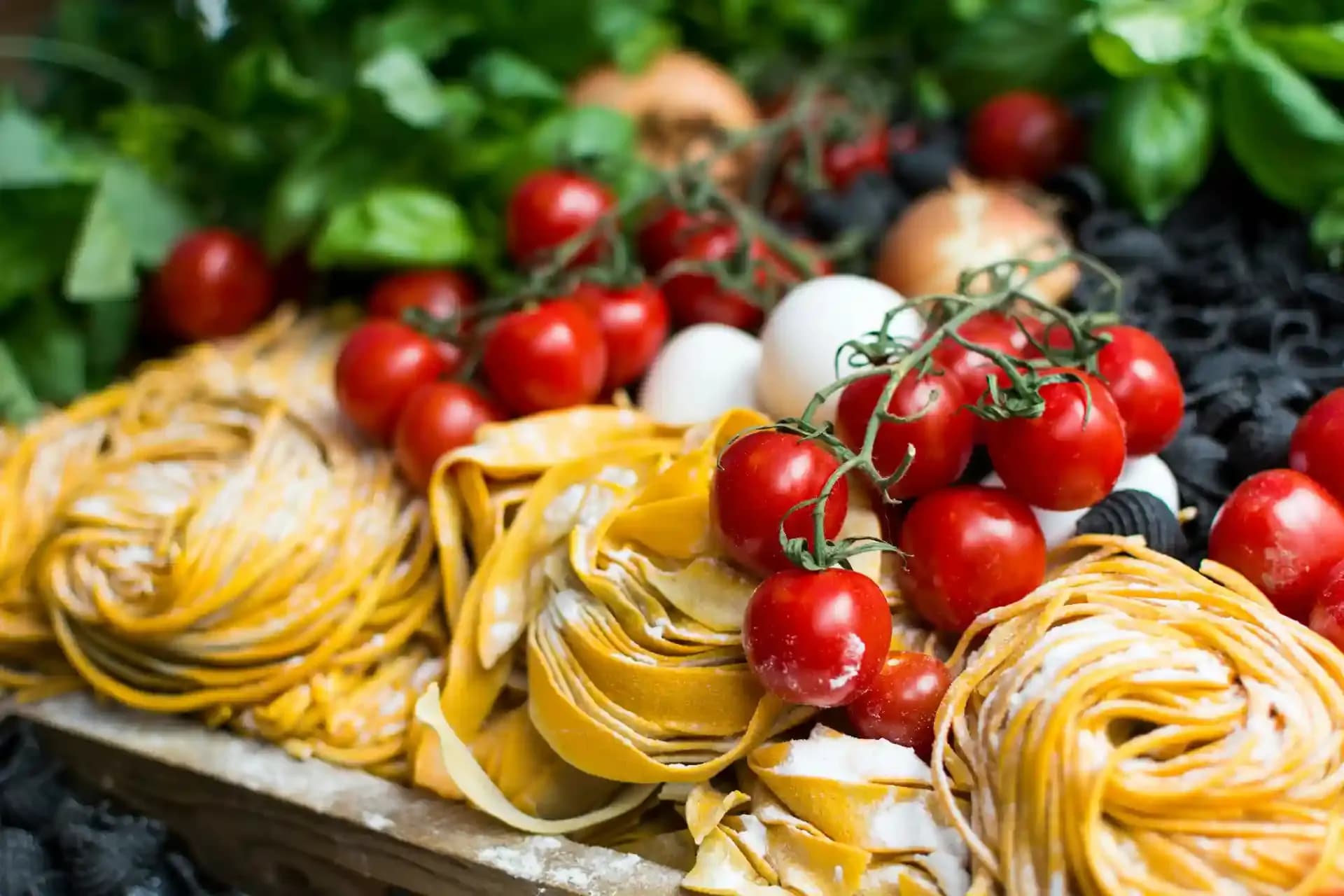
Flavors of Tuscany, Italy
Tuscany, a region in central Italy, is renowned for its stunning landscapes, rich history, and, most notably, its incredible cuisine. The flavors of Tuscany are deeply rooted in tradition, offering a culinary journey through the rolling hills, vineyards, and medieval
Tuscany, a region in central Italy, is renowned for its stunning landscapes, rich history, and, most notably, its incredible cuisine. The flavors of Tuscany are deeply rooted in tradition, offering a culinary journey through the rolling hills, vineyards, and medieval towns. This guide will help you plan your trip to Tuscany, highlighting how to get there, the best time to visit, how long to stay, where to stay, average costs, and what makes each location unique. How to Get There Tuscany is well-connected, making it accessible from various parts of Italy and beyond. The most convenient way to reach Tuscany is by flying into one of its main airports: Pisa International Airport (Galileo Galilei) or Florence Airport (Peretola). Both airports offer flights from major European cities, with Florence being the closest to the heart of Tuscany. If you’re already in Italy, taking a train is a scenic and efficient option. High-speed trains connect Florence with major cities like Rome, Milan, and Venice. Alternatively, renting a car gives you the freedom to explore Tuscany's countryside at your own pace. Best Time to Go/Weather The best time to visit Tuscany is during the spring (April to June) and autumn (September to October) when the weather is mild, and the landscapes are at their most vibrant. Spring brings blooming flowers and lush green fields, while autumn offers the harvest season, with grapes, olives, and chestnuts being gathered. Summer (July to August) is the peak tourist season, with hot temperatures and crowded attractions, but it’s also a great time for festivals and outdoor dining. Winter (December to February) is the off-season, with cooler weather and fewer tourists, making it ideal for a more relaxed experience. How Long to Plan For To fully immerse yourself in the flavors of Tuscany, plan for at least a week. This allows time to explore key cities like Florence, Siena, and Pisa. A week gives you the chance to enjoy local markets, cooking classes, wine tastings, and leisurely meals. If you have more time, consider extending your trip to two weeks. This allows for deeper exploration of the region, including visits to the coastal areas, Chianti wine region, and hidden gems like Pienza and Montepulciano. Where to Stay Tuscany offers a range of accommodation options, from luxurious villas to charming agriturismos (farm stays). Here are some top recommendations: Florence: Stay in the historic center to be close to major attractions. Boutique hotels and apartments with rooftop terraces offer stunning views of the city’s iconic domes and towers. Siena: Consider staying in a countryside villa or a cozy bed and breakfast within the medieval town walls for a more authentic experience. Chianti: Agriturismos in the Chianti region provide a chance to stay on working farms, surrounded by vineyards and olive groves. Enjoy homemade meals and local wines straight from the source. Val d'Orcia: For a tranquil retreat, choose a luxury resort or a rustic farmhouse in the Val d’Orcia, known for its picturesque landscapes and charming towns like Montalcino and Pienza. Average Price Tuscany can be enjoyed on various budgets, but it’s important to plan accordingly: Accommodation: Expect to pay around €100-€200 per night for a mid-range hotel or agriturismo. Luxury villas and boutique hotels can range from €300-€600 per night. Meals: Dining out varies widely; a meal at a trattoria or osteria costs around €15-€30 per person, while a fine dining experience can range from €50-€100 per person. Wine tasting tours typically cost €20-€50 per person. Transportation: Renting a car costs around €30-€50 per day, with additional costs for fuel. Trains and buses are more budget-friendly, with tickets ranging from €10-€50 depending on the distance. (Approximate rate prices 2024) What Makes Each Location Unique Florence: The birthplace of the Renaissance, Florence is a treasure trove of art, architecture, and history. Its culinary scene is equally rich, with dishes like Bistecca alla Fiorentina (Florentine steak) and ribollita (a hearty vegetable soup) reflecting the city’s heritage. Siena: Famous for its medieval architecture and the Palio horse race, Siena offers a more intimate experience. The local cuisine is highlighted by dishes like pici (thick, hand-rolled pasta) and panforte (a dense fruitcake). Chianti: The Chianti region is synonymous with wine, particularly the world-renowned Chianti Classico. Here, you can tour vineyards, sample olive oil, and enjoy panoramic views of the Tuscan countryside. Pisa: While Pisa is best known for its Leaning Tower, the city also offers delicious seafood and hearty soups like cacciucco, a traditional fish stew. Val d'Orcia: This UNESCO World Heritage site is a postcard-perfect landscape of rolling hills, cypress trees, and medieval towns. The region is known for its pecorino cheese, particularly from Pienza, and robust wines like Brunello di Montalcino. Lucca: A charming town with Renaissance-era walls, Lucca is perfect for those who enjoy cycling and leisurely strolls. Its cuisine features delicacies like tortelli lucchesi, a meat-filled pasta, and buccellato, a sweet bread with raisins and aniseed. Conclusion Tuscany is not just a destination; it's an experience that lingers in your memory long after you’ve left. Whether you're indulging in a farm-to-table meal, sipping a glass of Chianti, or exploring ancient streets, the flavors of Tuscany will undoubtedly captivate your senses and leave you yearning for more.
You Might Also Like

Authentic Mexican Cuisine in Oaxaca
Oaxaca, a vibrant state in southern Mexico, is renowned for its rich culinary traditions, deeply rooted in indigenous culture and history. Known as the "land of the seven moles," Oaxaca offers a diverse and flavorful cuisine that has earned it a reputation as one of M
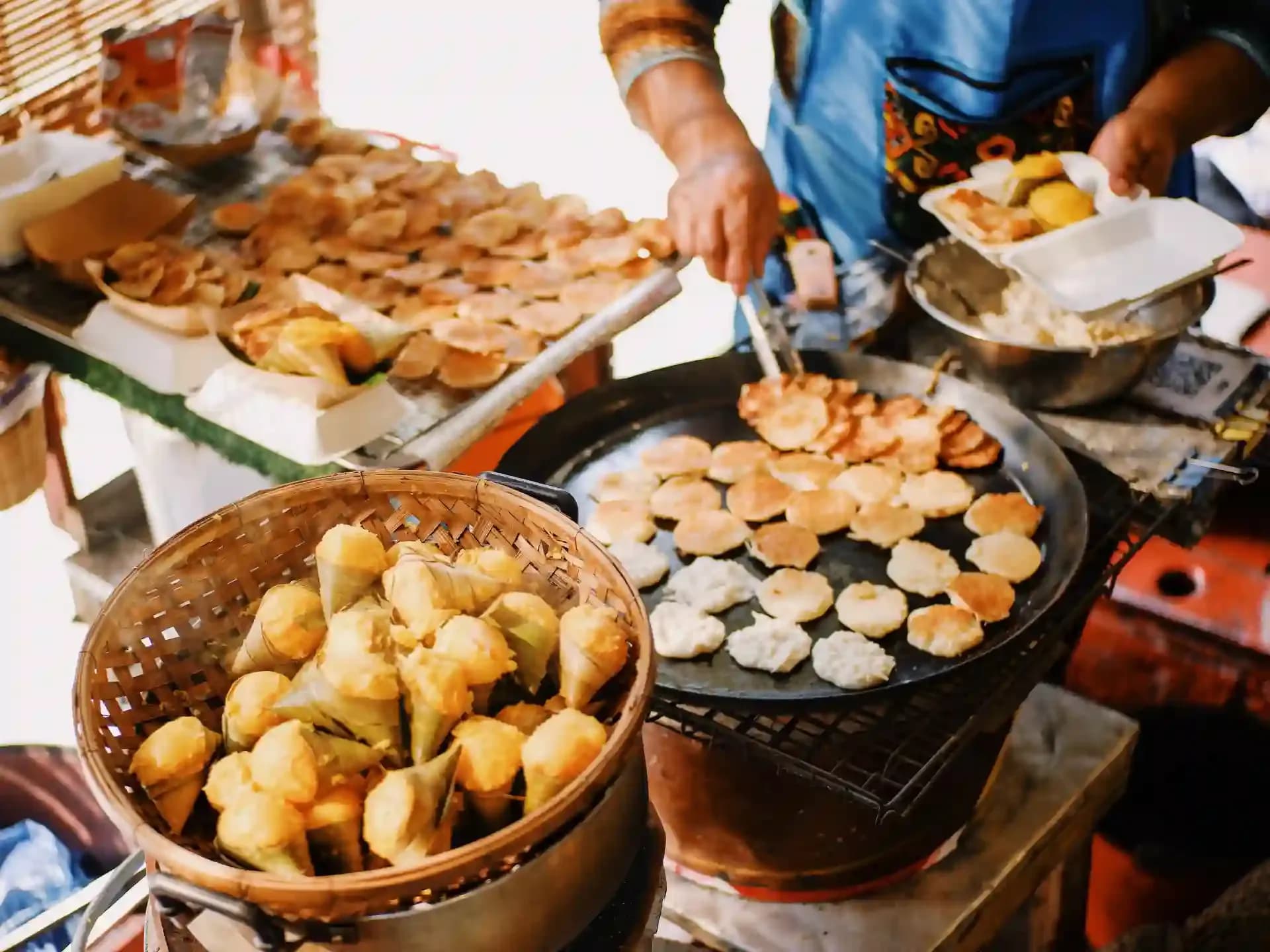
Street Food of Bangkok, Thailand
Bangkok, Thailand’s bustling capital, is a vibrant city where the streets are alive with the sizzling sounds and tantalizing aromas of street food. The city’s culinary landscape is legendary, offering an array of dishes that reflect the diverse influences and rich cul
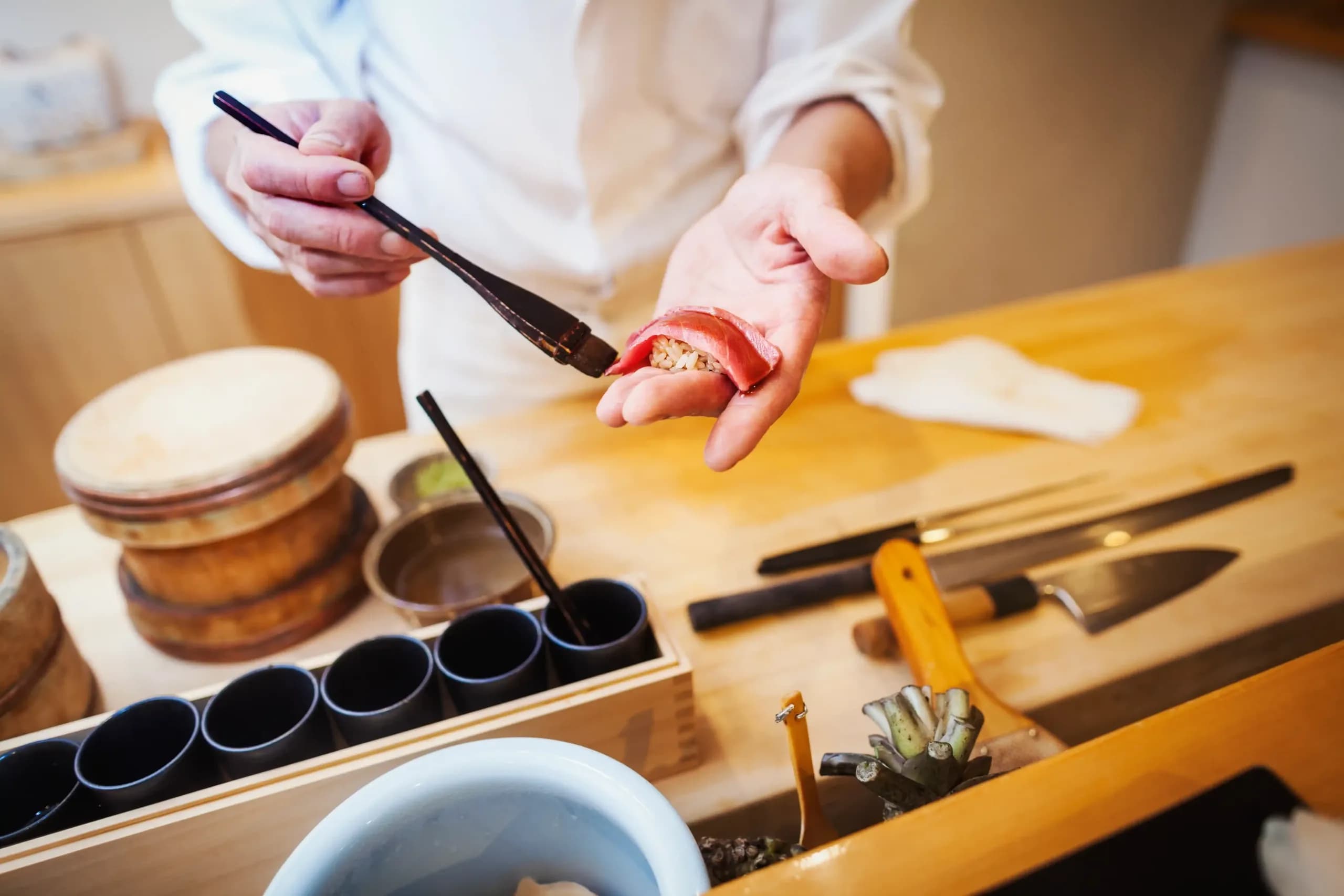
Culinary Traditions of Kyoto, Japan
Kyoto, the heart of Japan’s cultural and spiritual heritage, is as famous for its culinary traditions as it is for its temples and gardens. The city’s cuisine is deeply intertwined with its history, geography, and seasons, offering a unique and refined dining experien